
Saudi Arabia Protein Bar Market: Growth Acceleration, Consumer Trends & Future Opportunities
How natural ingredients, clean-label innovation, and rising fitness awareness are transforming consumer preferences across the Saudi Arabia protein bar market.

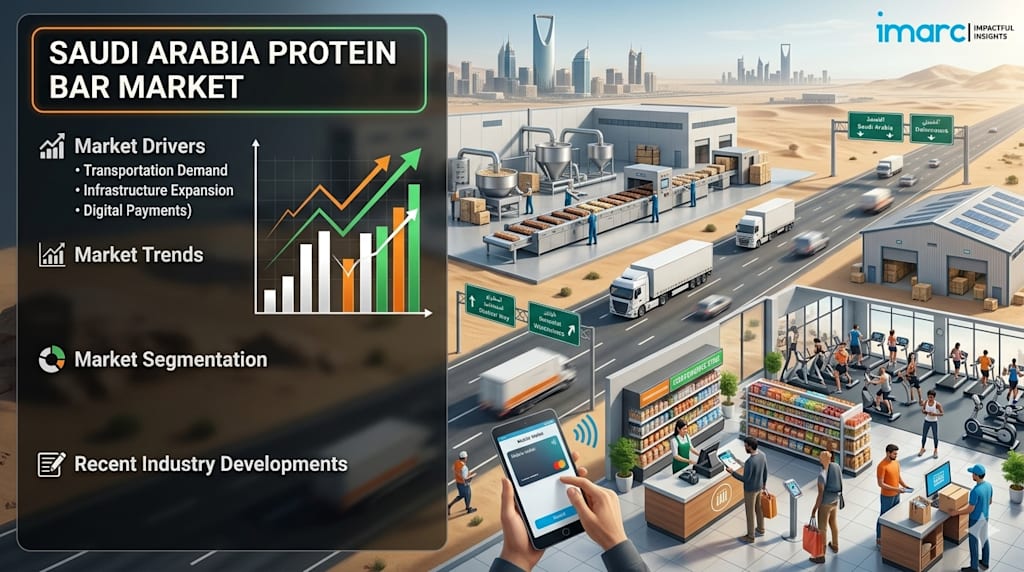
Saudi Arabia protein bar market size reached USD 34.0 Million in 2025. Looking forward, IMARC Group expects the market to reach USD 52.9 Million by 2034, exhibiting a growth rate (CAGR) of 4.79% during 2026-2034. The growing preference for healthier lifestyles and fitness-conscious choices is propelling demand for protein-rich snacks, which is primarily driving the market growth.
Protein bars are high-protein nutritional snacks typically derived from whey, soy, or plant-based sources like pea and hemp. They are designed to give people a portable, convenient way to hit their protein targets, which is why they have become a staple for athletes, gym-goers, and busy professionals across Saudi Arabia. With over 2.5 million active gym members in the Kingdom and a population where 63% of residents are under 30, the consumer base is young, fitness-oriented, and willing to spend on convenient nutrition. Bars now come in diverse formulations including low-sugar, gluten-free, and vegan variants, with local manufacturers even experimenting with date-paste and Arabian coffee-infused flavors to align with Saudi taste preferences.
Saudi Arabia Protein Bar Market Growth Drivers:
- Rising Health Consciousness and Fitness Culture
Saudi Arabia has more than 2.5 million active gym-goers, and the number keeps climbing. GymNation sold 5,000 memberships within 24 hours of its Riyadh launch in 2025, a figure that says a lot about how seriously the Kingdom is taking fitness. Obesity affects over 4 million Saudi adults, and lifestyle diseases like diabetes are pushing younger consumers toward cleaner, protein-rich diets. The Saudi Arabian Sports Federation endorsed protein bars at four major tournaments, reinforcing their role in performance nutrition. With approximately 8 million residents aged 20-35 actively participating in fitness activities, the core buyer base for protein bars is both large and growing.
- Higher Disposable Incomes Fueling Premium Nutrition Spending
Saudi consumer spending is on a steady upward track. The Mastercard Economics Institute's Economic Outlook forecasts Saudi GDP growth at 3.7% annually, with consumer expenditure rising 4.5%. In urban centers like Riyadh and Jeddah, that extra spending power is going straight into health and wellness categories. Working professionals and students are choosing protein bars over traditional snacks because the bars fit their pace, no preparation, easy to carry, and genuinely nutritious. Protein bars now sit in supermarket premium sections alongside imported health foods, which tells you how far consumer attitudes have shifted in a short period. Demand for high-quality, halal-certified formulations is particularly strong.
- Expanding Retail and E-Commerce Distribution
Distribution has been the quiet accelerator of this market. Protein bars are now stocked in supermarkets, hypermarkets, gym retail outlets, and a fast-growing e-commerce channel that IMARC Group projects will reach USD 708.7 billion by 2033. Online platforms let consumers access a far wider range of brands and formulations than any single physical store can hold, and home delivery removes the last friction point. Three major international brands expanded in-store promotions at Riyadh's leading supermarket chains, dedicating premium shelf space to functional snacks. Saudi Arabia holds 1.39% of the global protein bar market, outpacing regional peers like the UAE and Turkey, a position built largely on this broad, improving availability.
Saudi Arabia Protein Bar Market Trends:
Localized Flavors and Heritage-Inspired Formulations
One of the most interesting things happening in Saudi Arabia's protein bar space is the localization of flavors. Al Jeddah Foods launched a line of Arabian coffee-infused bars, while Basmah Nutri developed a cardamom-spiced bar for athletic communities in Dammam. A Riyadh Culinary Academy study found at least five domestically produced bars now incorporate date paste, tapping into both cultural familiarity and the date's natural nutritional profile. Local firms are packaging their products with Arabic calligraphy to stand out against imported competitors. This shift matters because it creates a defendable niche that international brands cannot easily replicate, and it builds consumer loyalty around cultural identity rather than just taste alone.
- Functional Ingredients and Clean-Label Innovation
Consumers are reading labels more carefully and moving past simple protein counts. Demand is shifting toward bars that offer added vitamins, minerals, probiotics, and immunity-supporting ingredients alongside their protein content. Brands like Quest Nutrition, Barebells, and ThinkProtein are responding with cleaner formulations, lower sugar, and specific dietary claims including gluten-free and keto. Nestlé's FITNESS No Sugar Protein Bar has found traction specifically because it lowers the hesitation shoppers feel in a crowded aisle. Whey protein leads the category with 53% market share, but plant-based variants are growing faster as more consumers experiment with pea and rice protein options for both dietary and ethical reasons.
- Social Media and Influencer-Led Consumer Adoption
Saudi influencers posting workout content and snack reviews have become a genuine sales channel for protein bars. Fitness personalities feature bars in post-workout routines, and brands that secure these placements see measurable spikes in online sales. The Saudi Arabian Sports Federation's endorsement of protein bars at tournament events shows how the sport-nutrition connection is being formalized. Agthia Group opened a protein manufacturing facility in Jeddah in July 2024 to reduce import dependency and meet rising local demand more efficiently. Government-led Sports for All campaigns under Vision 2030 integrate sports nutrition messaging into community events, university leagues, and workplace wellness programs, all of which feed first-time buyers into the protein bar category.
Recent News and Developments in Saudi Arabia Protein Bar Market
• July 2024: Agthia Group launched a state-of-the-art protein manufacturing facility in Jeddah, aimed at strengthening local supplement and protein bar production, reducing reliance on imports, and ensuring consistent supply for the Kingdom's growing fitness nutrition market.
• 2024: Al Jeddah Foods introduced a protein bar line featuring Arabian coffee-infused flavors, marking one of the first locally produced bars explicitly designed around Saudi cultural taste preferences. The move was seen as a direct challenge to imported brands dominating premium shelf space.
• 2025: GymNation sold 5,000 memberships within 24 hours of its Riyadh launch, breaking its own regional records and signaling a sharp acceleration in organized gym culture across the Kingdom, directly expanding the core consumer base for protein bars.
Note: If you require specific details, data, or insights that are not currently included in the scope of this report, we are happy to accommodate your request. As part of our customization service, we will gather and provide the additional information you need, tailored to your specific requirements. Please let us know your exact needs, and we will ensure the report is updated accordingly to meet your expectations.
About the Creator
Faisal Al-Harbi
Market research professional based in Saudi Arabia (KSA), focused on industry trends, market growth, and economic insights.
Writing data-driven articles on Saudi markets, business outlook, and Vision 2030–driven sectors.
Enjoyed the story? Support the Creator.
Subscribe for free to receive all their stories in your feed.
Comments
There are no comments for this story
Be the first to respond and start the conversation.