
Rain Barrels Market Is Growing Into a $3.4B Industry by 2035
Rising water costs and climate pressure are turning backyard rain barrels into mainstream infrastructure worldwide.
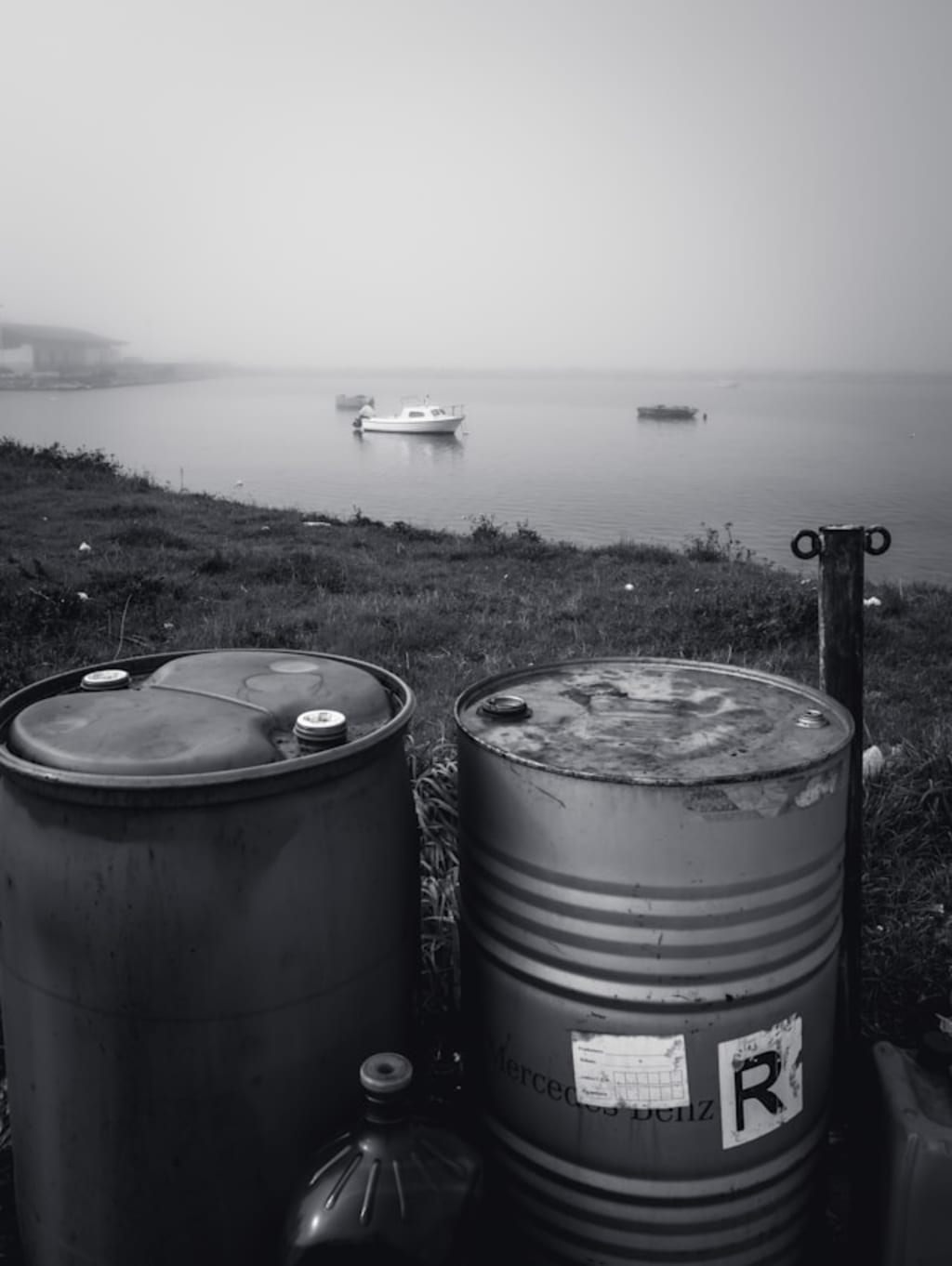
When a Plastic Barrel Becomes Infrastructure: The Quiet Rise of Rainwater Harvesting
In Cape Town, South Africa, officials announced "Day Zero" in 2018 — the day the city's taps would run dry. It didn't happen, but only barely. Residents cut consumption to 50 liters per person per day. Across wealthy suburbs and informal settlements alike, people were filling every container they could find, including rain barrels. That crisis did something data charts rarely manage: it made water feel finite. And it pushed a once-niche product category into the mainstream conversation about survival infrastructure.
That shift is now showing up in commercial numbers. The global Rain Barrels Market size was valued at approximately USD 2.0 billion in 2025 and is projected to reach USD 3.4 billion by 2035, growing at a compound annual rate of 5.3%. For context on how that demand is distributed across segments, a methodological breakdown is available in this rain barrels industry overview.
From Fringe to Mainstream: What Changed
For most of the twentieth century, rain barrels were backyard oddities — something a particularly committed gardener might build from a repurposed oak cask. They existed outside regulated water systems, largely ignored by municipal planners and building codes alike. What changed was the convergence of two pressures: rising municipal water tariffs and increasingly erratic precipitation patterns linked to climate change.
Cities from Los Angeles to Melbourne began rolling out rebate programs. The City of Austin, Texas, for example, offers residents up to $200 back on qualifying rain barrel purchases. Similar programs exist across Canada, Australia, and several European Union countries where groundwater depletion has become a documented policy concern. That public subsidy layer fundamentally altered the economics of purchase decisions for ordinary homeowners.
Who's Actually Buying — and Why
Residential users still account for the largest end-use segment, but the picture is more varied than garden-hose households. Commercial buildings, institutional facilities such as schools and hospitals, and agricultural operations have all adopted rainwater capture systems at scale. A mid-size farm in drought-prone Andalusia, Spain, for instance, might deploy dozens of large-capacity barrels — units holding more than 100 gallons — as a buffer against unpredictable summer rainfall, reducing dependence on increasingly regulated irrigation water allocations.
Material type shapes the market considerably. Plastic dominates for its cost and weight advantages, particularly the high-density polyethylene variants that resist UV degradation. But the decorative barrel segment — designed to blend with garden aesthetics — has carved out its own premium niche, often manufactured from simulated wood or ceramic-finish fiberglass. According to analysis of Rain Barrels Market share and size trends, the distribution of demand across materials, capacities, and end uses points toward a market that is segmenting rather than consolidating.
The Policy Engine Behind the Numbers
Government action is doing heavy lifting here. It isn't just rebates. Several U.S. states that once prohibited rainwater collection entirely — Texas among them, ironically — have since reversed or dramatically relaxed those restrictions. Colorado legalized residential rain barrel use in 2016 after decades of prohibition tied to Western water law; even then, residents were capped at two barrels and 110 gallons total. The regulatory environment, once a barrier, has flipped into a driver.
The European Union's Urban Wastewater Treatment Directive, updated in recent years, pushes member states toward greener stormwater management — language that implicitly encourages distributed capture infrastructure at the building level. When regulators begin treating rain as a resource rather than a drainage problem, demand for collection hardware follows.
Where the Market Goes Next
The decade ahead will likely see rain barrels evolve from standalone vessels into integrated components of broader smart-home water management systems. Sensors that track fill levels and soil moisture, combined with automated drip-irrigation connections, are already appearing in the premium segment. Some manufacturers are experimenting with modular designs — stackable units that allow households to scale capacity up or down without major plumbing work. The conversation is shifting from "should I have a rain barrel" to "how many, and how do I connect them." That is a different kind of consumer question entirely, and it suggests the market will keep expanding well beyond what current projections capture.
About the Creator
Mark K. Belton
I’m Mark K. Belton, 26 years old, currently working as a Digital Marketing Intern. I have a strong interest in digital marketing and have been developing my skills in SEO, social media marketing, content creation, and online campaign
Enjoyed the story? Support the Creator.
Subscribe for free to receive all their stories in your feed.
Comments
There are no comments for this story
Be the first to respond and start the conversation.