
Railroad Market Insights: Rail Freight Digitization, IoT Integration & Industry Forecast to 2034
How rail freight digitization, real-time tracking, and data-driven logistics are improving transparency, efficiency, and operational performance across global railroad transportation networks

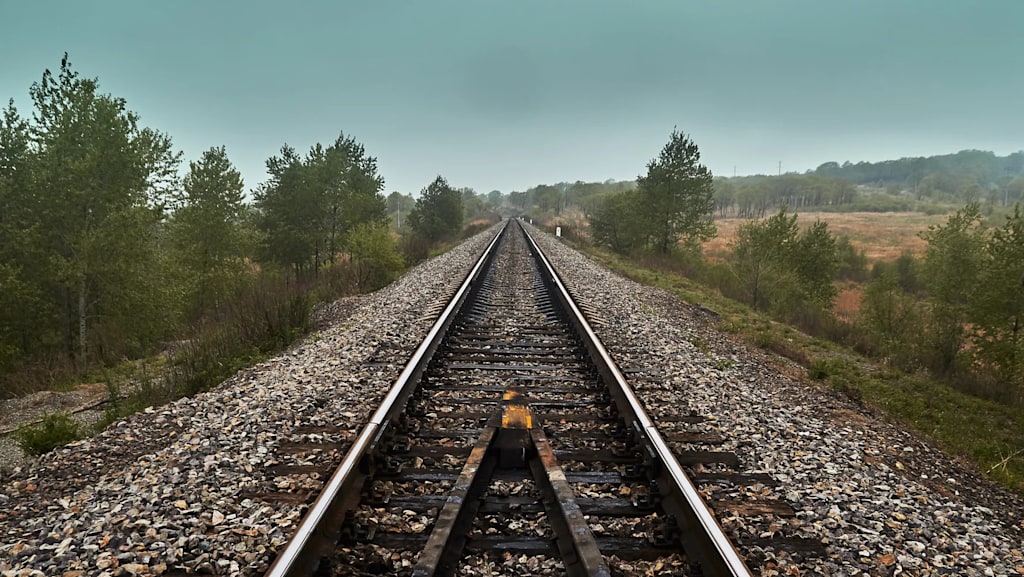
Substantial investments in rail modernization, urbanization, and the push for sustainable freight and passenger transit are driving global railroad demand. Enhanced by digital signaling and high-speed network expansions, the industry is witnessing a significant shift toward automated operations and intermodal efficiency. According to IMARC Group’s latest data, the global railroad market size was valued at USD 343.8 Billion in 2025. Looking forward, IMARC Group estimates the market to reach USD 462.3 Billion by 2034, exhibiting a CAGR of 3.24% from 2026-2034.
The railroad industry has evolved into a massive global infrastructure network, now valued well over USD 340 billion. This sector is a critical backbone for both heavy-industrial logistics and mass public transit, benefiting from a worldwide transition toward low-carbon transportation. Growth is underpinned by massive government funding for high-speed rail, the integration of IoT for predictive maintenance, and the expansion of urban metro systems in emerging economies.
Railroad Market Growth Drivers:
- Substantial Government Infrastructure Funding
National governments are injecting unprecedented capital into rail networks to stimulate economic competitiveness and modernize aging infrastructure. For example, recent legislative frameworks in North America have allocated roughly USD 550 billion specifically for new transportation projects, focusing heavily on rail connectivity. These multi-billion-dollar investments facilitate the upgrading of tracks, the implementation of Positive Train Control (PTC) systems, and the expansion of regional corridors. Such funding ensures that railroads remain a viable, high-capacity alternative to highway trucking, supporting long-term industrial growth and national logistics security across diverse geographic regions.
- Rapidand Demand for Mass Transit
The continuous migration of populations toward urban centers is creating a critical need for efficient, high-capacity commuter solutions. Data indicates that urban populations in major economies have grown by over 6% in the last decade, placing immense pressure on existing road networks. Railroads address this by moving thousands of passengers simultaneously with minimal land usage compared to highways. Urban metro systems and short-distance passenger rail have become essential for daily economic activity, with many cities reporting a double-digit percentage increase in rail usage as residents prioritize speed and reliability over private vehicle travel.
- Industrial and Bulk Commodity Logistics
Railroads remain the most cost-effective method for transporting heavy, high-volume goods such as coal, minerals, and grain over long distances. In the current industrial landscape, rail freight moves a significant portion of global cargo, with chemical shipments recently reaching record weekly averages of over 35,000 carloads in key markets. The efficiency of rail is unmatched for the mining and agricultural sectors, where the ability to transport bulk materials across continents is essential. This reliance ensures steady demand for freight services, particularly as manufacturing activity begins to expand and intermodal hubs stabilize globally.
Railroad Market Trends:
- Digital Transformation and Smart Signaling
The industry is rapidly adopting "Smart Rail" technologies, including the Internet of Things (IoT), big data analytics, and automated train operations to boost safety and efficiency. Digital tracking and intelligent signaling systems have seen a 22% increase in adoption recently, allowing operators to monitor rolling stock in real-time and predict maintenance needs before failures occur. These innovations reduce operational downtime and enhance the precision of freight scheduling. By integrating AI-driven dispatching and automated braking systems, railroads are significantly lowering the risk of human error while maximizing the throughput of existing track infrastructure.
Electrification and Green Energy Transitions
Environmental sustainability is no longer a peripheral concern but a core driver of rail fleet modernization. While rail already represents only 2% of total transport energy demand, companies are aggressively moving away from diesel-only traction toward electrification and hydrogen-powered locomotives. Major operators are setting ambitious targets to reach net-zero emissions, supported by 100% renewable energy sourcing for terminal operations. This shift is particularly visible in Europe and Asia, where high-speed electric networks are replacing short-haul flights, catering to eco-conscious travelers and corporations looking to reduce their Scope 3 supply chain emissions.
- Expansion of High-Speed and Luxury Rail Networks
There is a burgeoning trend toward high-speed rail (HSR) and experiential "slow travel" luxury journeys. Global HSR networks have expanded by approximately 16% over the last five years, drastically cutting travel times between major economic hubs. Simultaneously, the market is seeing a rise in premium rail experiences, such as the launch of new luxury liners designed for affluent travelers. This premiumization targets a demographic that values the journey as much as the destination, blending high-end hospitality with the traditional efficiency of rail. This dual-track growth in speed and luxury is diversifying the industry’s revenue streams significantly.
Recent News and Developments in Railroad Market
- April 2026: BNSF Railway successfully ratified a new five-year collective bargaining agreement with its intermodal employees, ensuring labor stability and operational continuity across its critical hubs in Seattle, Memphis, and Chicago.
- January 2026: Construction is slated to begin on the Brightline West project, a privately funded high-speed rail line connecting Los Angeles and Las Vegas, marking a milestone in U.S. high-speed infrastructure development.
- December 2025: BNSF reported that its customers invested a record-breaking USD 5.3 billion in 2025 for rail-served projects, completing over 100 new developments that integrate directly with the national rail network.
Note: If you require specific details, data, or insights that are not currently included in the scope of this report, we are happy to accommodate your request. As part of our customization service, we will gather and provide the additional information you need, tailored to your specific requirements. Please let us know your exact needs, and we will ensure the report is updated accordingly to meet your expectations.
About the Creator
Andrew Sullivan
Hello, I’m Andrew Sullivan. I have over 9+ years of experience as a market research specialist.
Enjoyed the story? Support the Creator.
Subscribe for free to receive all their stories in your feed.
Comments
There are no comments for this story
Be the first to respond and start the conversation.