
Qatar Solid Waste Management Market: Environmental Compliance, Waste Recycling & Growth Outlook
How industrial expansion, municipal waste generation, and advanced recycling solutions are influencing the future of the Qatar solid waste management market.

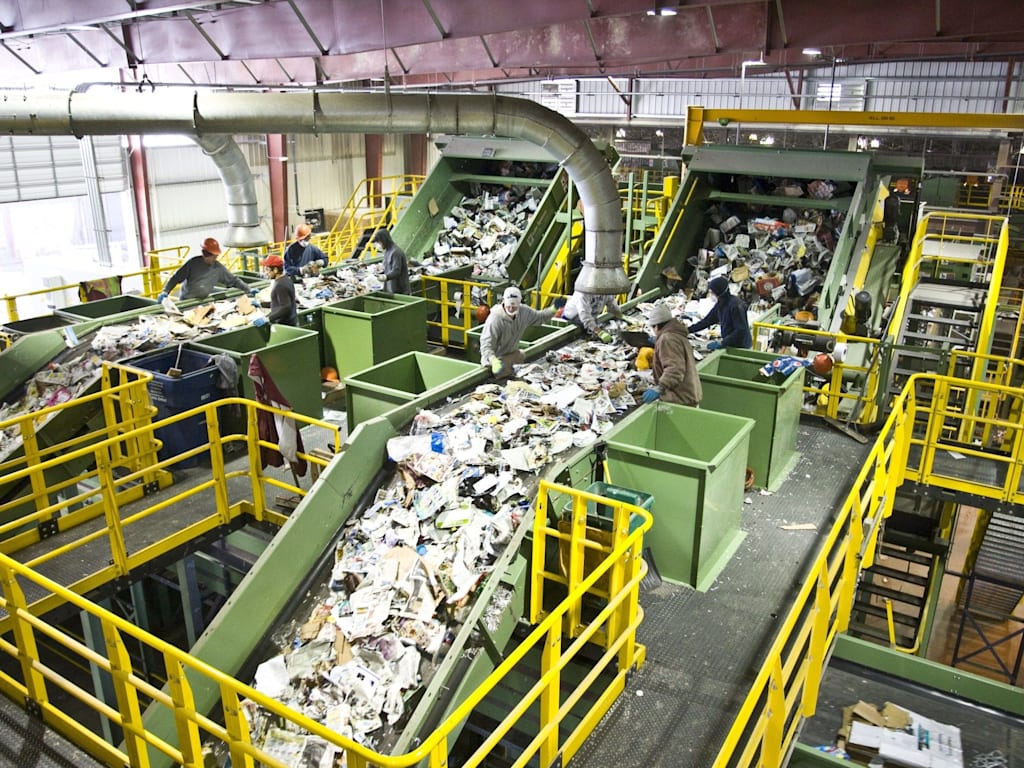
According to IMARC Group's latest research publication, Qatar solid waste management market size reached USD 693.6 Million in 2025. Looking forward, IMARC Group expects the market to reach USD 1,258.1 Million by 2034, exhibiting a growth rate (CAGR) of 6.63% during 2026-2034.
How AI is Reshaping the Future of Qatar Solid Waste Management Market
- AI is transforming waste collection in Qatar by optimizing routes with smart sensors, boosting efficiency by up to 25% and slashing fuel use significantly. This makes operations smoother and more eco-friendly for everyone involved.
- Government pushes like the National Vision 2030 and major sustainability investments are backing AI tools such as smart bins and tracking systems. These help cut down overflows and support better recycling across the country.
- Companies are rolling out AI-powered sorting robots that speed up recycling and improve accuracy, helping Qatar move toward zero-waste goals with impressive results. It's exciting to see real innovation making a difference on the ground.
Qatar Solid Waste Management Market Trends & Drivers:
Qatar's solid waste management sector is experiencing significant momentum driven by strong governmental commitment to sustainability. The implementation of strategic policies under the national vision emphasizes waste reduction, recycling, and reuse practices across households, commercial areas, and industries. This push fosters greater community participation and encourages investments in advanced infrastructure to build a more efficient waste handling framework that minimizes environmental impact while promoting resource recovery.
Technological advancements and innovative solutions are shaping key trends in Qatar's waste management landscape. Adoption of modern processing methods, including waste-to-energy initiatives, supports the transition toward circular economy principles where waste serves as a valuable resource. Enhanced focus on source segregation and smart collection systems improves operational efficiency and enables better material recovery, aligning with broader environmental protection goals and reducing reliance on traditional disposal methods.
Rising urbanization and industrial expansion continue to drive demand for comprehensive solid waste management services in Qatar. Growing economic activities generate diverse waste streams that necessitate integrated approaches combining collection, treatment, and sustainable disposal. Public-private collaborations and awareness campaigns play vital roles in advancing recycling efforts and fostering long-term behavioral changes toward responsible waste handling practices that support overall environmental sustainability.
Qatar Solid Waste Management Industry Segmentation:
The report has segmented the market into the following categories:
Waste Type Insights:
- Municipal Solid Waste
- Industrial Waste
- Hazardous Waste
- Others
Service Insights:
- Collection
- Disposal
- Recycling
End User Insights:
- Residential
- Commercial
- Industrial
Regional Insights:
- Ad Dawhah
- Al Rayyan
- Al Wakrah
- Others
Competitive Landscape:
The competitive landscape of the industry has also been examined along with the profiles of the key players.
Recent News and Developments in Qatar Solid Waste Management Market
- May 2025: Veolia Qatar and Qatar Foundation deployed 500 IoT-enabled smart bins across Education City under a USD 18 million contract, optimizing collection routes and reducing emissions by 35% through real-time monitoring and AI-driven efficiency.
- March 2025: The Ministry of Municipality launched a nationwide digital waste-segregation program covering 250,000 premises, supported by a gamified mobile app for tracking compliance and imposing fines up to QAR 50,000 for violations to boost household separation rates.
- June 2025: Qatar advanced smart waste initiatives with AI and big data integration in the Smart Cities Solutions Project, enhancing vehicle tracking, route optimization, and operational efficiency for solid waste collection across urban areas.
Note: If you require specific details, data, or insights that are not currently included in the scope of this report, we are happy to accommodate your request. As part of our customization service, we will gather and provide the additional information you need, tailored to your specific requirements. Please let us know your exact needs, and we will ensure the report is updated accordingly to meet your expectations.
About the Creator
Fatimah
Market research writer at IMARC Group, turning data into engaging stories. Passionate about trends, insights & real-world impact. Join me on Vocal!
Enjoyed the story? Support the Creator.
Subscribe for free to receive all their stories in your feed.
Comments
There are no comments for this story
Be the first to respond and start the conversation.