
Pope Leo XIV Prepares First Encyclical Framing AI as the Defining Moral and Labor Challenge of a New Industrial Revolution
Magnifica Humanitas expected to place human dignity labor rights and ethics at the center of the AI race echoing Leo XIII Rerum Novarum for the digital age

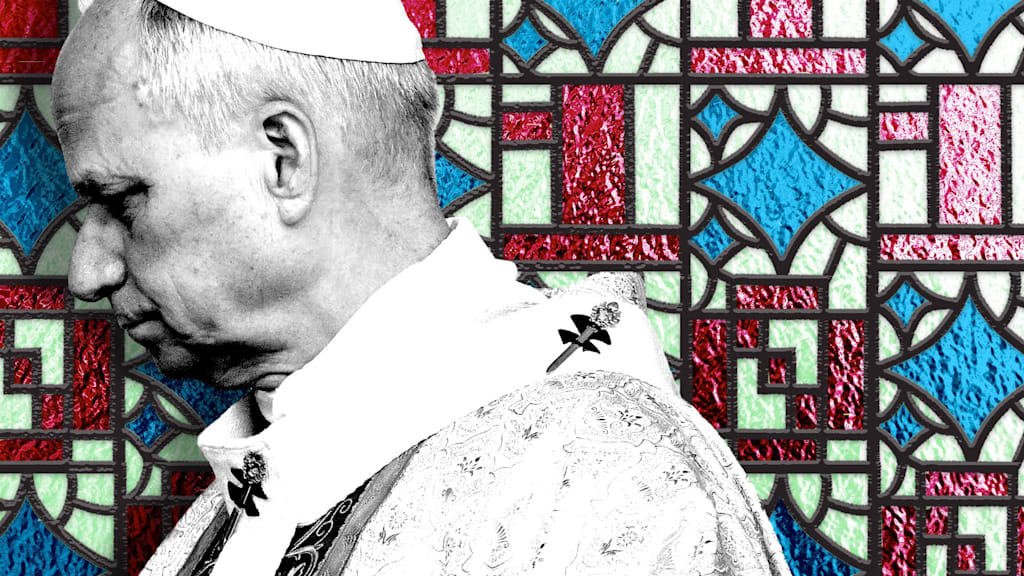
Read Time 6 minutes Tags AI Ethics Catholic Church Labor AI Policy Vatican AI Governance Pope Leo XIV is expected to sign his first encyclical as soon as Friday positioning artificial intelligence as the defining moral and labor challenge of a new industrial revolution The document reportedly titled Magnifica Humanitas magnificent humanity would become the Catholic Church clearest attempt yet to place human dignity labor rights and ethics at the center of the AI race Catholic and European outlets report that Leo is poised to sign the encyclical on the anniversary of Rerum Novarum 1891 Pope Leo XIII foundational industrial era labor encyclical The timing is deliberate Catholic experts say it draws explicit parallels between 19th century industrialization and the AI revolution now unfolding What the encyclical is expected to address One Human dignity and subordination of technology Early reports suggest Magnifica Humanitas will argue that technology must remain subordinate to the human person not the reverse and that AI systems should protect workers creativity and moral agency The encyclical will focus specifically on AI impact on people and working conditions framing it as Leo XIV effort to modernize Catholic social teaching for the AI era according to French newspaper Le Monde This aligns with the late Pope Francis repeated warnings that AI risked reducing humans to data points and accelerating inequality surveillance and autonomous warfare The Holy See has already backed the Rome Call for AI Ethics an initiative urging transparency and human centered AI development Two Labor market disruption Andrew Chesnut chair of Catholic studies at Virginia Commonwealth University said This is exactly the fear that machines were replacing human labor And that s exactly what we re seeing right now with AI Chesnut said Leo is treating AI less like a tech trend and more like a replay of the industrial revolution with entry level workers already evaporating as automation accelerates By invoking Leo XIII the pope is signaling that the Church believes it has a historic role to play again during a period of technological upheaval This is going to be one of the fundamental pillars of his papacy Chesnut said Three Vatican operational stance The Vatican has not commented publicly but it has implemented formal AI guidelines and monitoring structures inside Vatican City In February Leo told priests not to use AI to write homilies or to seek likes on social media platforms like TikTok The Vatican has also stepped up cybersecurity partnerships and AI oversight efforts blending defense with diplomacy and ethics Why this matters now One Moral authority in a contested debate The AI industry is split between acceleration and caution Arguments over safety alignment and economic impact are often framed in technical or market terms A papal encyclical introduces a moral framework that speaks to 1 4 billion Catholics and influences policy debates in Europe Latin America and Africa where the Church has significant social reach Two Precedent for labor focused AI policy Rerum Novarum shaped Catholic and secular labor policy for decades by asserting the rights of workers against unchecked industrial power If Magnifica Humanitas follows the same pattern it could provide theological and ethical justification for regulations on algorithmic management worker displacement and data ownership Three Influence on AI governance design The encyclical emphasis on human centered AI and moral agency overlaps with EU AI Act principles and US policy proposals that require human oversight for high risk systems By endorsing these principles the Vatican adds non technical legitimacy to regulatory approaches that might otherwise be seen as anti innovation Context and reactions One Continuity with Francis warned repeatedly about AI dehumanization and inequality The Rome Call for AI Ethics already commits signatories to transparency fairness and accountability Magnifica Humanitas appears to deepen that line by connecting it directly to labor and dignity Two Institutional preparation Some American Catholic institutions have been preparing for this moment The Catholic Health Association of the United States has been examining the ethical implications as AI increasingly shapes health care delivery This suggests the Church is moving from statement to application Three Skepticism and support Critics may argue that religious doctrine has no place in technical standards Supporters argue that without a moral frame AI development will optimize for efficiency and profit at the expense of human flourishing The encyclical is unlikely to propose specific technical standards but it can set boundaries and priorities What to watch next One Content of the document If Magnifica Humanitas includes concrete calls for worker consultation in AI deployment protections for creative labor and limits on autonomous weapons it will give civil society groups a reference point for advocacy If it remains high level it will serve more as a moral marker Two Policy uptake EU policymakers have already cited religious and ethical sources in AI debates US lawmakers may reference the document in hearings on automation and job loss The encyclical could influence Catholic affiliated universities hospitals and charities that are deploying AI Three Reception inside the Church The choice of name Leo XIV signals continuity with Leo XIII social teaching How bishops and Catholic organizations implement the message will determine whether it changes practice or remains symbolic For technologists the encyclical is a reminder that AI development is not only an engineering problem but a social one For policymakers it provides a values based counterweight to pure market arguments For workers it signals that their displacement is being framed as a moral issue not just an economic one Do you think a religious institution can shape AI policy effectively or should AI governance remain strictly secular Share your view in the comments
About the Creator
Enjoyed the story? Support the Creator.
Subscribe for free to receive all their stories in your feed.
Comments
There are no comments for this story
Be the first to respond and start the conversation.