
Polyester Staple Fiber Market: A $37 Billion Opportunity by 2034
Rising textile demand, industrial expansion, and sustainability trends are reshaping the future of this essential material.

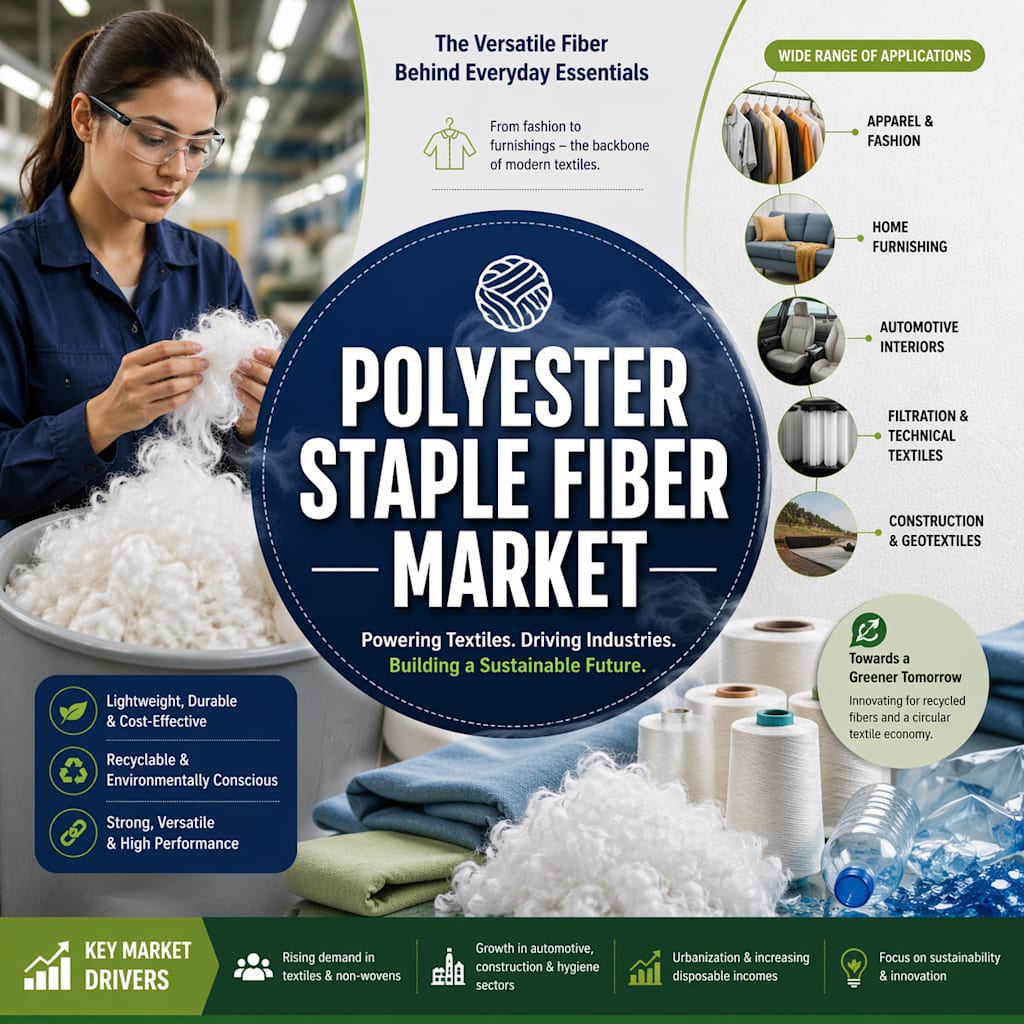
To see polyester staple fiber in a different form‚ just walk into a clothing store‚ sit inside a car‚ or even look around your home․
Though the use of this little understood‚ highly utilitarian synthetic fiber is only rarely discussed‚ the surprising material is one of the most important products of modern industry‚ with many ubiquitous applications․
As industries continue to diversify and the need for inexpensive‚ durable‚ and versatile construction materials grows‚ polyester staple fiber (PSF) is emerging as a worldwide growth driver․
A Market Growing with Everyday Demand
The global polyester staple fiber market size is projected to be worth about USD 26․1 billion in 2025‚ set to reach USD 37․3 billion by 2034․
The compound annual growth rate (or CAGR) of around 4% shows that the rise of PSF is not a fad but a raw material used in an industrial setting․
Unlike specialty products‚ polyester staple fiber is used across many industries․ Demand for PSF can be expected to continue alongside the wearing of clothing‚ the buying of furniture‚ driving of cars‚ and building of homes․
Why Polyester Staple Fiber Is Everywhere
Three major factors contribute to the popularity of polyester staple fiber:
- Less expensive than natural fibers‚ such as cotton or wool
- Durability‚ making it suitable for long-term use
- Versatile‚ allowing it to be applied across sectors
Because the material can be made to have the properties of natural fibers‚ and because it cooperates with many other materials and conditions of use‚ it is economical for manufacturers․
The Rise of Fast Fashion and Activewear
The increasing size of the global fashion industry is one of the biggest drivers of PSF demand․
Fast fashion‚ which depends on polyester production for speed and cost‚ has created demand from manufacturers‚ and the rise of activewear and performance apparel has led to an increased demand for lighter-weight‚ water-repellent‚ durable fabrics․
Polyester staple fiber is an example of this․
Sustainability issues have also not reduced demand for polyester considerably‚ however‚ due to its lower cost compared to natural fibers․
Beyond Textiles: Industrial Applications Are Expanding
Although textiles are PSF's largest market‚ non-woven and industrial uses of PSF are increasingly important․
These include:
- Automotive components such as seat fabrics‚ insulation‚ carpeting
- Construction materials such as geotextiles and reinforcement fibers
- Filtration systems used in industrial and environmental processes
- Hygiene products‚ such as wipes‚ diapers‚ and medical textiles
This diversification‚ along with others like it‚ is one of the strongest drivers of long-term markets․
Today‚ polyester staple fiber is not a commodity textile but a multi-industry solution of goods and applications․
Urbanization is increasing worldwide demand․
As cities grow and populations increase‚ demand for infrastructure‚ housing‚ and products is expected to grow rapidly‚ particularly in developing countries․
Urbanization leads to:
- Increased clothing consumption
- Greater demand for home furnishings
- Growth in construction activities
- Expansion of transportation systems
These industries use polyester staple fiber extensively․
This is particularly true in the Asia-Pacific region‚ where rising disposable incomes are driving rapid growth in demand․
Sustainability Is Reshaping the Industry
Although polyester has advantages‚ concerns have arisen regarding its negative environmental impact․
This has led to a growing use of recycled polyester fiber․
Increasingly‚ technologies have been developed to convert plastic waste‚ especially PET bottles‚ into fibers‚ to support efforts toward circular economy and to reduce plastic pollution․
However‚ challenges still exist․
Cost and availability of recycling infrastructure mean alternatives to virgin polyester are still necessary where quality and consistency are primary concerns‚ particularly in textiles or packaging․
The Role of Technology and Innovation
Innovation is an important factor driving development within the polyester staple fiber market․
Advancements include:
- Stronger fiber‚ and more durable․
- Further progress in dyeing and finishing
- Blended fibers substantially improved the performance characteristics
- New recycling technologies for sustainable production
Manufacturers have been looking for energy and emissions savings and efficiency improvements along the whole value chain․
Asia-Pacific: The Global Powerhouse
The primary market for PSF is Asia-Pacific‚ where most of the world's PSF is produced and consumed․
Countries including China‚ India and Vietnam are now some of the major manufacturers․
- Low production costs
- Strong textile industries
- Large domestic markets
- Export-driven economies
This region has embraced volume‚ innovation and capacity expansion more than any other region in the world․
The United States as a resolute and growing market
The United States plays a different but equally important role in the PSF market․
Demand in the following sectors is increasing:
- Construction and insulation
- Automotive manufacturing
- Filtration and industrial applications
There is also an increasing interest in utilizing recycled polyester for reasons of sustainability and corporate responsibility․
Trade policies and domestic manufacturing support are being adopted at the same time to strengthen and stabilize domestic supply chains․
A Competitive and Dynamic Industry
The polyester staple fiber market is competitive; various global players are investing in their growth strategies․
Companies are focusing on:
- Expanding production capacity
- Creating eco-friendly fiber-based solutions
- Quality and performance improvements․
- Forming planned partnerships
Sustainability will continue to be a differentiator‚ and commodity firms will move towards recycling and clean production․
Factors potentially limiting future growth
The market‚ however‚ does have some weak points․
The environmental impact of synthetic fibers‚ including microplastics and waste‚ is an increasing concern․
Fewer available recyclables or fluctuations in raw material pricing may also affect production costs․
Natural fibers like cotton are used by many who are concerned with ecological issues․
However‚ these hurdles have led the industry to seek more sustainable and efficient energy solutions․
Looking Ahead
Global consumption and industrial growth will determine the future of polyester staple fiber․
Though there are still great needs for low cost‚ lightweight‚ and durable materials‚ PSF remains important in many industries․
But sustainability is likely to play an equally defining role for the next chapter of the market's evolution․
With constant innovation‚ expanding applications‚ and stable demand across the world‚ the polyester staple fiber market is projected to grow continuously through 2034 and beyond․
Final Thoughts
Although polyester staple fiber is not visible‚ it is an effective insulator and cushion․
From the clothing we wear to the infrastructure around us‚ this material has become a ubiquitous part of modern life․
As industries evolve‚ this ubiquitous fiber proves that even the most ordinary of fibers can inspire transformational global change․
About the Creator
Robert
Senior Market Researcher at IMARC Group, specializing in global market analysis, industry trends, and data-driven insights across diverse sectors.
Enjoyed the story? Support the Creator.
Subscribe for free to receive all their stories in your feed.
Comments
There are no comments for this story
Be the first to respond and start the conversation.