
Photoacoustic Imaging: The Medical Scan That Uses Light, Sound, and No Radiation
A hybrid imaging technology is offering clinicians something no single modality could — and it's entering the clinic.

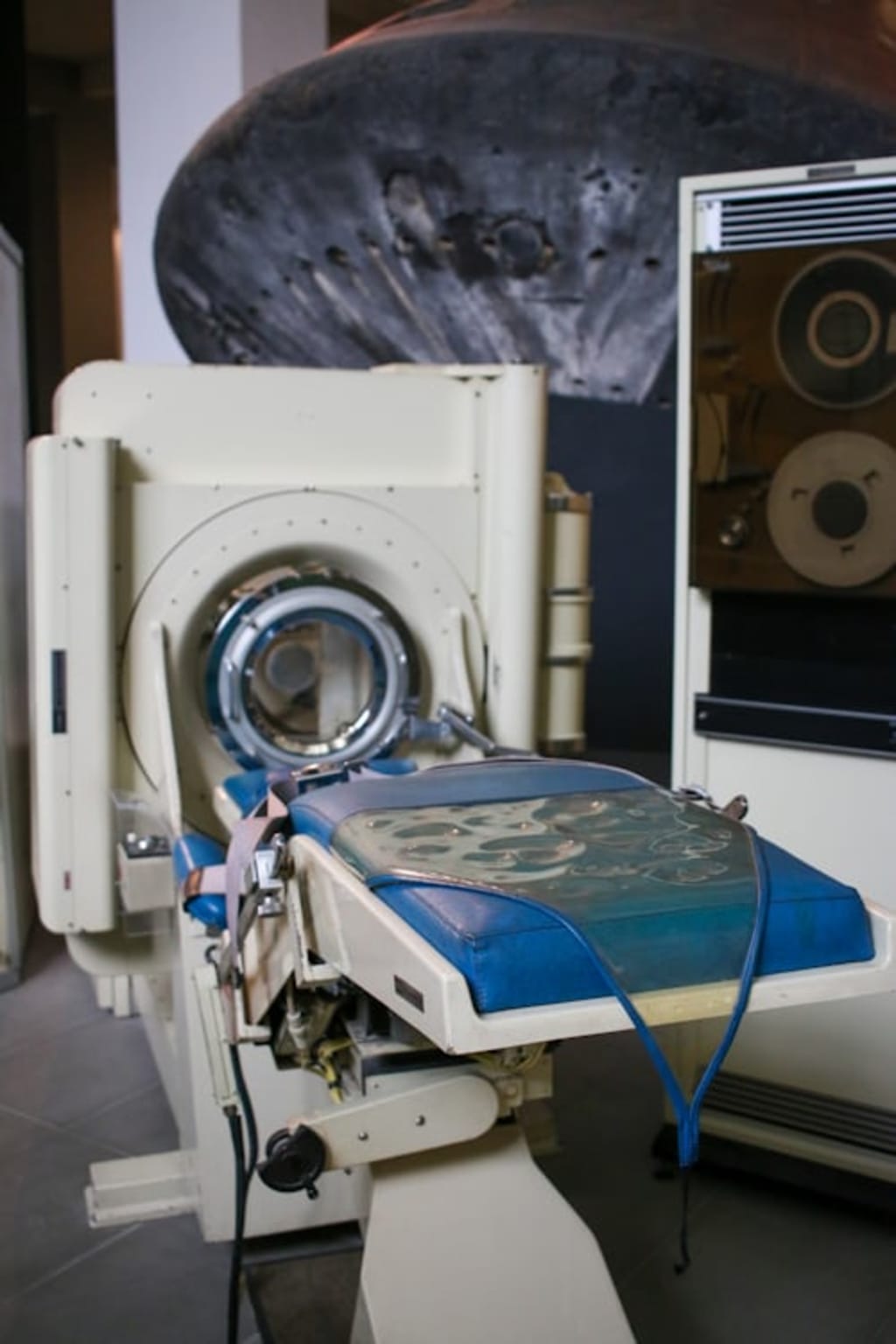
The Imaging Technology That Sees Inside the Body Using Light and Sound Simultaneously
Every major medical imaging modality involves a trade-off. MRI offers extraordinary soft tissue detail but is slow, expensive, and incompatible with metal implants. CT provides fast, high-resolution cross-sectional imaging but delivers ionizing radiation. Ultrasound is cheap, portable, and real-time but limited in resolution and unable to provide the functional information that clinical decision-making increasingly demands. X-ray sees bone well and soft tissue poorly. The imaging modalities that dominate clinical medicine today were largely developed decades ago, and each carries limitations that have been accepted as inherent rather than solvable.
Photoacoustic imaging is a technology that doesn't fit neatly into any of those established categories, and the clinical and commercial story of where it's headed is documented in this photoacoustic and hybrid biomedical imaging technology sector analysis. The physics behind it are elegant. The clinical applications are genuinely novel.
How It Works and Why It Matters
Photoacoustic imaging works by directing short pulses of laser light into biological tissue. The light is absorbed by chromophores — molecules like hemoglobin, melanin, and lipids that absorb light at characteristic wavelengths. That absorbed energy causes rapid thermal expansion, generating pressure waves — ultrasound waves — that propagate through the tissue and can be detected by a standard ultrasound transducer on the surface.
The result is an image that combines the contrast advantages of optical imaging — which is sensitive to molecular composition — with the depth penetration and spatial resolution of ultrasound. In practical terms, this means photoacoustic imaging can provide real-time, high-resolution images of vascular structure, blood oxygen saturation, and even specific molecular targets at depths that optical techniques alone cannot reach, without ionizing radiation.
The Oncology Application Driving Early Adoption
Breast cancer imaging has been one of the most actively pursued clinical applications for photoacoustic technology. The current standard — mammography — uses ionizing radiation, has meaningful false positive and false negative rates particularly in dense breast tissue, and cannot provide functional information about tumor vascularity or oxygenation. Photoacoustic imaging can.
Seno Medical Instruments, a San Antonio-based company, developed the Imagio system — a combined photoacoustic and ultrasound device for breast imaging — and received FDA clearance in 2021. Clinical studies showed that Imagio could characterize breast masses in ways that reduced unnecessary biopsies compared to ultrasound alone. This is not a theoretical application. It is a cleared device with published clinical outcomes data demonstrating that the imaging approach works in a real clinical context.
Skin and Superficial Tissue: A More Immediate Market
While breast imaging has captured the most attention, the photoacoustic imaging market has found perhaps its fastest near-term commercial traction in dermatology and skin imaging. Melanin is one of the strongest optical absorbers in biological tissue, which means photoacoustic imaging can visualize melanocytic lesions — including melanoma — with extraordinary contrast. More importantly, it can visualize the depth and microvasculature of skin lesions non-invasively, providing information that currently requires biopsy to obtain.
Several companies have developed photoacoustic imaging systems specifically for skin applications. The technology can also image peripheral vasculature — blood vessels in the skin and underlying tissue — which creates applications in wound assessment, diabetic foot monitoring, and inflammatory disease evaluation.
The Research-to-Clinic Translation Challenge
Despite compelling physics and growing clinical data, photoacoustic imaging has been slower to reach broad clinical adoption than some early enthusiasm predicted. The laser systems required add cost and regulatory complexity compared to conventional ultrasound. Clinical workflow integration requires training. Reimbursement coding for photoacoustic procedures lags behind the technology's development.
These are not fatal barriers. They are the standard friction that accompanies any genuinely novel imaging modality trying to find its place in a clinical environment that already has established workflows and entrenched modalities. The photoacoustic imaging market is in the phase that OCT — optical coherence tomography — occupied in the 1990s before becoming the standard of care in ophthalmology. The question isn't whether the technology works. It clearly does. The question is which clinical applications will drive adoption fast enough to build commercial momentum.
About the Creator
Marvin M. Gibsonv
Marketing enthusiast and Digital Marketing Executive sharing practical tips on SEO, content creation, social media marketing, and online growth. Learn, grow, and stay ahead of digital trends.
Enjoyed the story? Support the Creator.
Subscribe for free to receive all their stories in your feed.
Comments
There are no comments for this story
Be the first to respond and start the conversation.