
Paul Burkemper: Rethinking Dealership Growth Through Scalable Ownership Experiences
How structured systems are reshaping automotive retail by improving customer engagement without increasing team size

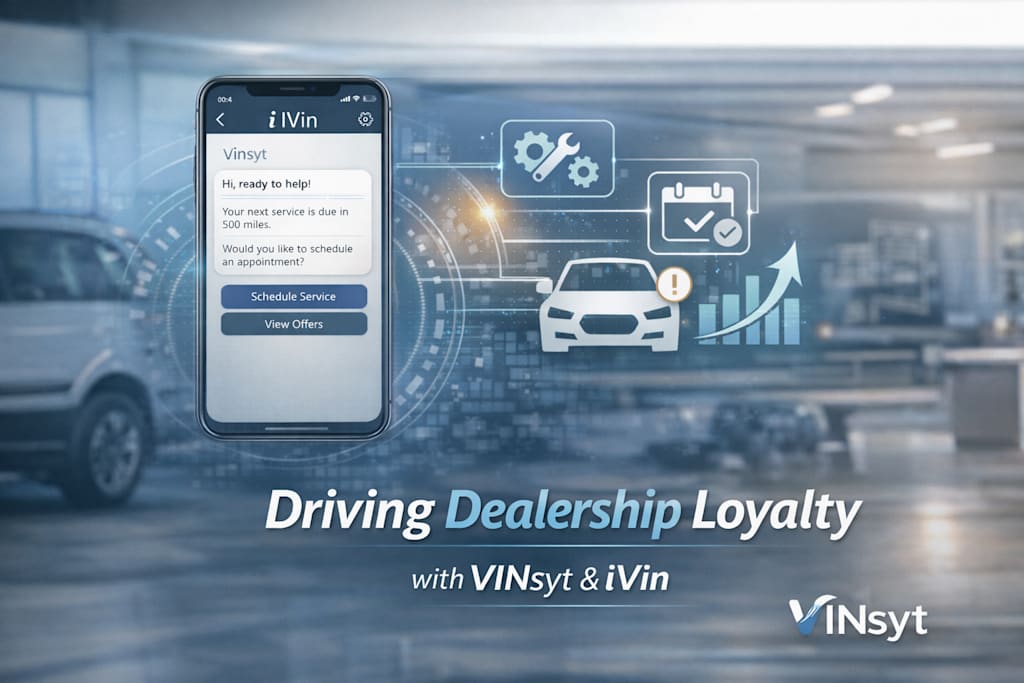
Leadership in Automotive Retention Strategy
Paul Burkemper is the CEO and Co-Founder of VINsyt, a cutting-edge technology platform focused on improving customer retention in the automotive retail industry. His work centers on a challenge that many dealerships continue to face: how to maintain meaningful, long-term customer relationships while keeping operations efficient and manageable. In an industry where follow-up, service engagement, and customer communication are essential but often inconsistent, his approach emphasizes structure over expansion.
Rather than focusing on adding more staff to handle growing demands, the perspective associated with Paul Burkemper highlights how systems can be designed to support consistency across the entire ownership journey. This includes aligning customer data, timing, and communication in a way that reduces pressure on teams while improving the overall experience.
The Challenge of Scaling in Automotive Retail
Dealerships operate in a complex environment where customer expectations continue to rise. Buyers expect timely communication, smooth service scheduling, and ongoing support after the sale. At the same time, internal teams are often managing multiple responsibilities at once, from sales and service coordination to administrative tasks.
As volume increases, it becomes harder to maintain consistent engagement using manual processes alone. Important follow-ups can be missed, and communication may depend heavily on individual staff members. This creates inconsistency in the customer experience, which can affect long-term loyalty.
The approach associated with Paul Burkemper addresses this challenge by shifting attention away from manual tracking and toward structured engagement systems. Instead of relying on memory or individual effort, dealerships can build workflows that ensure communication happens at the right time, regardless of workload fluctuations.
Building Structure Into the Customer Journey
A key idea behind modern retention strategies is treating the customer experience as a continuous journey rather than a series of separate interactions. This includes everything from the initial purchase to ongoing maintenance and future vehicle considerations.
By structuring this journey, dealerships can create a more predictable and consistent experience for customers. Communication becomes part of a planned system rather than an ad hoc process. This reduces uncertainty for both staff and customers.
Paul Burkemper has emphasized the importance of aligning engagement with natural ownership milestones. When communication is tied to real customer needs, it feels more relevant and less intrusive. This balance helps maintain trust while ensuring customers remain connected to the dealership over time.
Reducing Operational Strain on Teams
One of the most immediate benefits of structured systems is the reduction of operational strain. In many dealerships, service advisors and sales teams spend a significant portion of their time managing reminders, follow-ups, and scheduling tasks. While these activities are important, they can limit the time available for direct customer interaction.
By introducing automation into routine processes, teams can focus more on relationship-building and problem-solving. Instead of manually tracking every customer touchpoint, systems handle timing and reminders in the background.
This approach allows staff to operate more efficiently without increasing headcount. It also reduces the likelihood of missed communication, which can improve overall customer satisfaction.
Consistency as a Driver of Customer Loyalty
Consistency plays a major role in how customers perceive their relationship with a dealership. When communication is regular and predictable, customers are more likely to feel supported and valued. When it is inconsistent, trust can weaken over time.
Structured engagement systems help ensure that customers receive communication at appropriate intervals throughout their ownership lifecycle. This includes service reminders, maintenance updates, and other relevant touchpoints.
The approach associated with Paul Burkemper focuses on making this consistency part of the dealership’s operational foundation. Rather than relying on individual effort, consistency becomes a built-in feature of how the organization functions.
Scaling Without Increasing Complexity
Growth in automotive retail often comes with increased complexity. More customers usually mean more systems, more communication channels, and more coordination between teams. Without structure, this can lead to inefficiencies that slow down operations.
A more sustainable approach is to simplify workflows while increasing capacity. This means reducing unnecessary manual steps and aligning processes so they work together more effectively.
Paul Burkemper’s perspective highlights that scaling does not have to mean adding complexity. Instead, it can involve refining systems so that they handle increased demand without requiring proportional increases in effort. This allows dealerships to grow while maintaining operational clarity.
Supporting Employees Through Better Systems
For dealership employees, structured systems can make daily work more manageable. Instead of juggling multiple reminders and disconnected tools, teams operate within a coordinated framework that organizes customer engagement automatically.
This reduces stress and allows employees to focus on higher-value tasks, such as resolving customer concerns or providing personalized service. It also helps improve communication between departments, as everyone has access to the same structured information.
The approach associated with Paul Burkemper reflects an understanding that better systems support better performance. When employees are not overwhelmed by manual processes, they are better positioned to deliver consistent customer experiences.
Long-Term Relationship Building
Customer loyalty in automotive retail is not built through single interactions but through repeated, positive experiences over time. Structured engagement systems help ensure that these experiences occur consistently throughout the ownership journey.
When customers receive timely and relevant communication, they are more likely to return for service and future purchases. This creates a long-term relationship that benefits both the customer and the dealership.
The systems developed under the approach associated with Paul Burkemper are designed to support this long-term perspective. Instead of focusing only on immediate transactions, they help dealerships maintain ongoing engagement that extends beyond the initial sale.
A Shift in How Growth Is Measured
Traditionally, dealership growth has often been measured by sales volume and staffing size. However, this does not always reflect operational efficiency or customer experience quality.
A more modern perspective looks at how effectively systems support growth without increasing strain on teams. This includes how well customer engagement is maintained, how consistent communication is across departments, and how efficiently workflows are managed.
Paul Burkemper represents this shift in thinking by focusing on structure and scalability rather than expansion alone. The goal is not just to grow larger, but to grow in a way that remains manageable and sustainable over time.
Conclusion: A More Structured Approach to Automotive Retail
The automotive industry continues to evolve, and dealerships are under increasing pressure to balance customer expectations with operational limitations. Addressing this challenge requires more than adding staff or increasing manual effort.
A structured approach to customer engagement provides a more sustainable path forward. By organizing communication around lifecycle stages and reducing reliance on manual tracking, dealerships can improve consistency while maintaining efficiency.
The perspective associated with Paul Burkemper highlights how systems can support both customers and teams in a more balanced way. Instead of focusing on scale through expansion, it emphasizes scale through structure, creating a foundation for more stable and predictable growth in automotive retail.
About the Creator
Paul Burkemper
Paul Burkemper is the CEO and Co-Founder of VINsyt, a cutting-edge technology platform revolutionizing customer retention in the automotive retail industry.
Enjoyed the story? Support the Creator.
Subscribe for free to receive all their stories in your feed.
Comments
There are no comments for this story
Be the first to respond and start the conversation.