
Optimize Your Logistics with Expert Transportation Software Development Services
Turn Complexity into Clarity with Smart, Scalable Logistics Technology

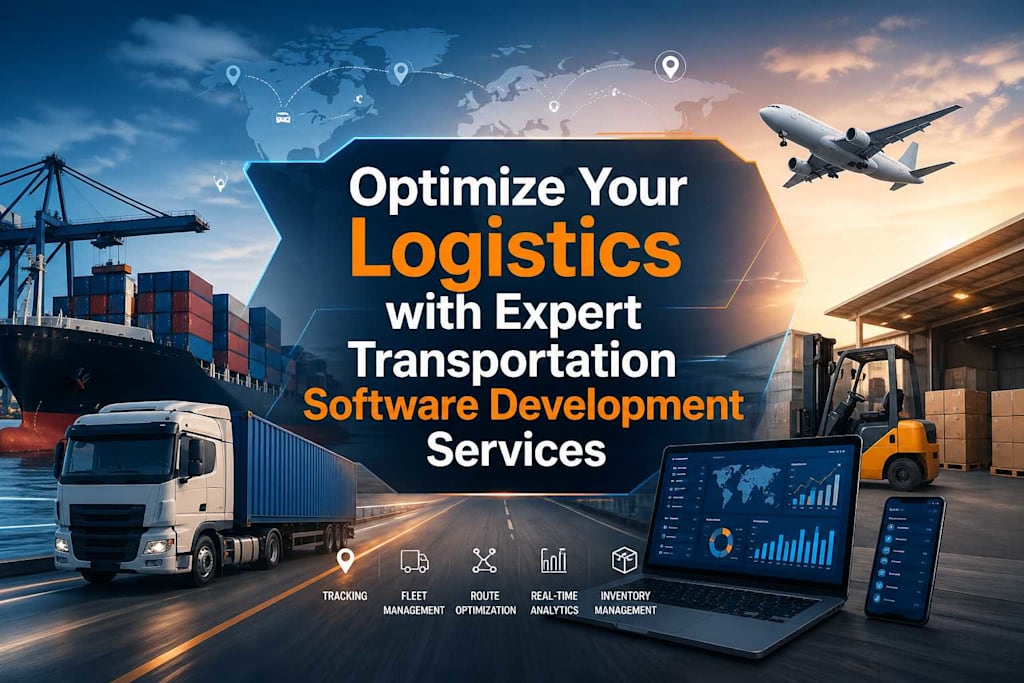
Logistics operations today are under more pressure than ever. Rising fuel costs, tighter delivery windows, increasing compliance requirements, and growing customer expectations have made transportation management significantly more complex. Yet many companies still rely on disconnected systems, spreadsheets, or rigid platforms that limit scalability.
This leads to delivery delays, operational inefficiencies, and missed growth opportunities. The companies outperforming competitors aren’t necessarily larger; they’re smarter. They invest in Transportation Software Development Services that unify workflows, automate decision-making, and deliver live visibility across the entire supply chain.
This article will help you discover how tailored transportation development services and modern logistics software development solutions can streamline operations, improve efficiency, and give your business a clear competitive advantage. So read on!
Why Custom Transportation Software Is Critical for Modern Logistics
Below are the seven pillars of high-performing transportation platforms built through advanced transportation software development services:
1. Live Fleet Visibility and Operational Control
Without insights, logistics teams operate reactively. Even a minor delay can trigger cascading disruptions across deliveries and customer commitments.
Custom platforms developed through transportation software development services introduce centralized dashboards featuring GPS tracking, delivery progress monitoring, automated deviation alerts, and exception reporting. As a result, teams shift from reactive firefighting to proactive control, improving reliability and customer confidence.
2. Intelligent Route Optimization for Maximum Efficiency
While visibility improves awareness, optimization drives profitability. Modern routing must account for traffic, fuel efficiency, delivery windows, weather conditions, and driver availability simultaneously.
Advanced routing capabilities powered by logistics software development dynamically adjust routes, reduce mileage, balance workloads, and increase delivery capacity without expanding fleet resources.
3. Predictive Maintenance That Prevents Costly Downtime
Fleet reliability is a major contributor to logistics stability. Reactive maintenance increases expenses and introduces unpredictable service interruptions.
By integrating telematics and diagnostics, custom platforms detect performance anomalies, trigger service reminders, and forecast potential failures. This proactive approach protects schedules, reduces emergency repairs, and extends vehicle lifespan.
4. Centralized Data and Performance Intelligence
Once operational efficiency improves, data becomes the next strategic advantage. Fragmented information prevents leadership from identifying inefficiencies or forecasting growth accurately.
Unified analytics dashboards provide visibility into cost per mile, utilization rates, driver productivity, delivery benchmarks, and revenue trends, enabling confident, data-driven decision-making.
5. Automated Customer Communication and Transparency
Operational efficiency must ultimately enhance customer experience. Modern clients expect live tracking, accurate ETAs, and proactive updates.
Automated shipment portals, ETA alerts, delivery confirmations, and delay notifications strengthen transparency. In competitive markets, this level of communication becomes a key differentiator for retention and brand trust.
6. Seamless Integration with Existing Systems
Custom platforms integrate with inventory, warehouse, and accounting systems, eliminating manual data entry and reducing information silos. Connected workflows improve accuracy, accelerate operations, and ensure every department operates using consistent real-time data.
Flexible integration architecture also enables businesses to onboard new partners, expand into new regions, and adopt emerging logistics technologies without operational disruption, supporting long-term scalability.
7. Stronger Security & Access Control
Role-based access, encrypted data handling, and secure authentication safeguard sensitive operational and customer information. Granular permission controls ensure employees access only relevant data, strengthening compliance and minimizing internal risk.
Robust security frameworks further help organizations meet regulatory standards, protect partner ecosystems, and maintain trust as transportation platforms scale across distributed teams and digital environments.
Measurable Business Impact of Transportation Software Development Services
Investing in transportation development services and strategic logistics software development produces measurable operational and financial improvements.
Organizations adopting custom platforms experience:
Faster Dispatch & Less Manual Work: Automated scheduling and load assignments reduce errors, speed up dispatch, and let teams focus on critical decisions.
Simplified Compliance Management: Digital documentation and reporting keep records organized, lowering regulatory risk and audit stress.
Better Cost Control: Built-in expense tracking and route analytics give clearer financial visibility and support smarter budgeting.
Smoother Partner Collaboration: Shared portals and live updates improve coordination with carriers and logistics partners, reducing delays and miscommunication.
Improved Driver Experience: Optimized routes, mobile tools, and less paperwork create a smoother workflow, enhancing satisfaction and retention.
Together, these advantages help logistics companies operate more efficiently, adapt faster, and scale with greater confidence as demand continues to grow.
Final Thoughts
Logistics never slows down, and neither do customer expectations. By partnering with experts in transportation software development services, like those at Unique Software Development, your transportation management can become more efficient, predictable, and easy to control.
If your organization is aiming to reduce inefficiencies, improve visibility, and scale confidently, investing in tailored transportation technology is no longer optional; it’s a strategic necessity. The decisions you make today will define your logistics competitiveness tomorrow.
About the Creator
Enjoyed the story? Support the Creator.
Subscribe for free to receive all their stories in your feed.
Comments
There are no comments for this story
Be the first to respond and start the conversation.