
North America Gluten-Free Food Market Set for Strong Growth as Health-Conscious Consumers Drive Demand
Rising Awareness of Celiac Disease, Clean-Label Preferences, and Functional Nutrition Trends Continue to Reshape the North American Food Industry

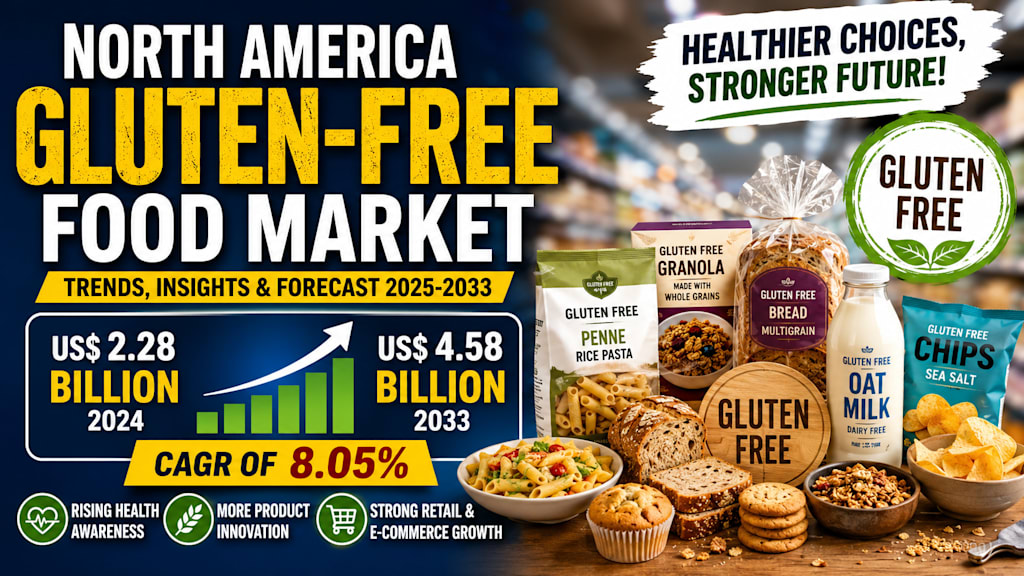
The North America gluten-free food market is entering a new phase of expansion as consumers increasingly prioritize healthier lifestyles, allergen-free diets, and clean-label nutrition. Once considered a niche category catering mainly to individuals diagnosed with celiac disease, gluten-free products have now become a mainstream dietary choice across the United States, Canada, and Mexico.
According to Renub Research, the North America Gluten Free Food Market is projected to grow from US$ 2.28 billion in 2024 to US$ 4.58 billion by 2033, expanding at a CAGR of 8.05% from 2025 to 2033.
The growth reflects changing consumer attitudes toward nutrition, increasing diagnoses of gluten-related disorders, and the rapid expansion of gluten-free products across retail shelves, restaurants, and online marketplaces. From bakery products and snacks to dairy alternatives and ready-to-eat meals, food manufacturers are aggressively innovating to capture a larger share of this booming wellness-driven sector.
Gluten-Free Diets Move Beyond Medical Necessity
Historically, gluten-free foods were designed primarily for individuals suffering from celiac disease or gluten intolerance. Today, however, millions of North American consumers are voluntarily adopting gluten-free lifestyles because they associate these products with improved digestion, cleaner eating habits, and better overall wellness.
Health-conscious millennials and Gen Z consumers are playing a major role in market growth. Many shoppers now actively scan labels for gluten-free certifications even when they do not have diagnosed dietary conditions. This broader acceptance has transformed gluten-free foods from a specialty aisle category into a mainstream grocery staple.
Food brands have responded by launching innovative products that no longer compromise on flavor, texture, or convenience. The market now includes gluten-free pasta, cereals, desserts, beverages, frozen meals, protein snacks, and even baby food products.
The overlap between gluten-free consumption and other wellness trends such as plant-based eating, organic foods, and clean-label nutrition is also accelerating adoption rates across North America.
Rising Cases of Celiac Disease Fuel Long-Term Demand
One of the strongest growth drivers remains the increasing prevalence of celiac disease and non-celiac gluten sensitivity (NCGS). Healthcare professionals across North America are identifying more gluten-related disorders due to improved awareness and better diagnostic tools.
Celiac disease is an autoimmune condition in which gluten damages the small intestine, making strict gluten-free diets medically essential. Research cited in the report indicates that confirmed cases in the United States have increased steadily over the past several decades.
In addition to celiac disease, growing recognition of NCGS has expanded the consumer base for gluten-free foods. Individuals experiencing bloating, fatigue, digestive discomfort, or inflammatory symptoms often experiment with gluten elimination diets even without formal diagnoses.
As a result, demand for certified gluten-free products continues rising across supermarkets, restaurants, schools, healthcare institutions, and e-commerce channels.
Clean-Label and Allergen-Free Foods Gain Momentum
Modern consumers want transparency in food ingredients. This has made clean-label products one of the most influential trends shaping the gluten-free market.
Consumers increasingly prefer products free from artificial preservatives, synthetic additives, genetically modified ingredients, and common allergens. Gluten-free products naturally align with these preferences, especially when paired with organic or plant-based formulations.
Manufacturers are therefore reformulating products using alternative ingredients such as almond flour, coconut flour, rice flour, chickpea flour, pulses, and ancient grains. These ingredients help improve nutritional value while supporting clean-label positioning.
The demand for “Certified Gluten-Free,” “Non-GMO,” and allergen-safe labels has also intensified. Buyers now see certification as a sign of trust, quality assurance, and safety.
This evolution has encouraged food companies to invest heavily in research and development to improve taste, texture, shelf stability, and nutritional performance without relying on gluten.
United States Dominates the Regional Market
The United States remains the largest contributor to the North American gluten-free food market due to strong consumer awareness, advanced retail infrastructure, and rapid product innovation.
American consumers have become increasingly proactive about preventive healthcare and dietary wellness. Gluten-free products are now widely available across large supermarket chains, convenience stores, specialty retailers, restaurants, and online grocery platforms.
The market’s growth is also being supported by social media influencers, wellness bloggers, fitness professionals, and nutrition-focused digital communities that regularly promote gluten-free recipes and lifestyle content.
Food manufacturers in the United States are continuously launching gluten-free snacks, beverages, frozen foods, and bakery products designed to appeal to mainstream consumers instead of only medically restricted audiences.
Additionally, improved labeling regulations and food certification standards have increased consumer confidence in gluten-free claims.
Canada Witnesses Strong Consumer Adoption
Canada is emerging as another important growth market for gluten-free foods. Approximately 1% of Canadians are diagnosed with celiac disease, creating strong demand for safe dietary alternatives.
Canadian retailers have expanded their gluten-free product portfolios significantly over the past few years. Large grocery chains now dedicate entire sections to gluten-free and allergen-friendly products.
Bakery products such as gluten-free bread, cookies, biscuits, and muffins remain among the most popular categories in the country. Consumers are also increasingly purchasing gluten-free beverages, cereals, dairy alternatives, and ready-to-cook meal kits.
The popularity of wellness-focused lifestyles, sustainable eating habits, and ingredient transparency continues supporting long-term market expansion in Canada.
Mexico Shows Promising Growth Potential
Mexico’s gluten-free food market is also growing steadily as awareness regarding gluten sensitivity increases among urban consumers. Although traditional Mexican cuisine already relies heavily on naturally gluten-free corn-based foods, demand for packaged gluten-free products is rising quickly.
Domestic and international brands are introducing gluten-free tortillas, snacks, prepared meals, and baked products customized for local consumer tastes.
The expansion of modern retail chains and online grocery services is improving product accessibility throughout the country. Government initiatives and awareness campaigns regarding dietary health are further contributing to market development.
Mexico’s expanding middle class and increasing focus on healthier lifestyles are expected to create major opportunities for gluten-free food manufacturers in the coming years.
E-Commerce and Retail Expansion Strengthen Market Accessibility
Retail accessibility has become a major catalyst for gluten-free market growth across North America.
Large supermarket chains, health-focused specialty stores, and e-commerce platforms have significantly expanded gluten-free product availability. Consumers can now easily compare ingredients, certifications, and nutritional profiles online before purchasing products.
Subscription meal services, direct-to-consumer brands, and online wellness marketplaces are also accelerating gluten-free food adoption among younger demographics.
E-commerce has proven especially valuable for consumers living in smaller towns where specialty dietary products were historically difficult to access.
Digital marketing campaigns, influencer collaborations, and personalized nutrition platforms are further helping brands connect with consumers seeking healthier food alternatives.
Product Innovation Becomes a Competitive Advantage
Innovation has become essential as competition intensifies within the gluten-free food industry.
Food manufacturers are investing heavily in advanced processing technologies to improve product taste, softness, texture, and shelf stability. Historically, many consumers complained that gluten-free products tasted dry or lacked the texture of conventional foods.
Modern food science is helping solve these issues through improved flour blends, fermentation techniques, and protein enrichment technologies.
Manufacturers are also focusing on high-protein, fiber-rich, and fortified gluten-free products that deliver additional nutritional benefits beyond gluten elimination.
The introduction of functional ingredients such as probiotics, superfoods, and plant proteins is reshaping consumer expectations in the category.
Market Challenges Continue to Impact Growth
Despite strong growth potential, the industry still faces several challenges.
One major issue is the shorter shelf life associated with many gluten-free products. Because manufacturers often avoid synthetic preservatives, products can spoil faster and require more careful inventory management.
Taste and texture limitations also remain barriers for some consumers. Gluten contributes elasticity and structure to baked goods, making it difficult to perfectly replicate traditional bread, pastries, and pasta without gluten-containing ingredients.
Additionally, gluten-free products often cost more than conventional alternatives due to specialized ingredients, dedicated manufacturing processes, and certification requirements.
However, continued innovation and growing economies of scale are expected to gradually reduce these challenges over time.
10 Recent Developments by Major Companies
1. PepsiCo
In October 2024, PepsiCo expanded its gluten-free portfolio under the Quaker brand by introducing quinoa-based snacks and gluten-free oat milk beverages targeting wellness-focused consumers.
2. Unilever
Unilever launched certified gluten-free salad dressings under the Hellmann’s brand and expanded its plant-based gluten-free ice cream offerings through Ben & Jerry’s.
3. General Mills
General Mills continues expanding gluten-free cereal and snack lines while investing in cleaner ingredient formulations and allergen-safe manufacturing processes.
4. Kellogg's
Kellogg’s has increased gluten-free offerings across breakfast cereals and snack bars to meet rising demand from health-conscious consumers.
5. The Kraft Heinz Company
Kraft Heinz has expanded gluten-free condiment and packaged meal options while strengthening clean-label product development strategies.
6. Conagra Brands
Conagra continues innovating in frozen gluten-free meals and convenience food categories through healthier ingredient sourcing.
7. The Hain Celestial Group
Hain Celestial is focusing on natural, organic, and allergen-free foods that align with gluten-free consumer preferences.
8. DuPont de Nemours
DuPont is supporting food manufacturers with ingredient technologies designed to improve gluten-free texture and shelf stability.
9. Dawn Food Products
Dawn Food Products has introduced gluten-free bakery solutions helping commercial bakeries expand allergen-friendly offerings.
10. Schar
Schar continues strengthening its North American presence with expanded gluten-free pasta, bakery, and snack product ranges.
Future Outlook
The future of the North America gluten-free food market looks highly promising as consumers increasingly combine wellness goals with dietary personalization.
Advancements in ingredient science, food processing, and nutritional innovation are expected to improve product quality significantly over the next decade. As gluten-free diets continue transitioning from medical necessity to mainstream lifestyle choice, manufacturers that prioritize taste, transparency, affordability, and convenience are likely to dominate the market.
The continued rise of clean-label foods, plant-based nutrition, and functional wellness products will further strengthen demand across multiple consumer segments.
With strong consumer awareness, expanding retail penetration, and ongoing product innovation, the North America gluten-free food market is positioned for sustained long-term growth through 2033.
About the Creator
Enjoyed the story? Support the Creator.
Subscribe for free to receive all their stories in your feed.
Comments
There are no comments for this story
Be the first to respond and start the conversation.