
Nigeria Cocoa Processing Market: Value Chain Integration, Export Growth & Outlook
How global supply-demand gaps, climate challenges, and sustainable sourcing are influencing Nigeria’s cocoa processing landscape

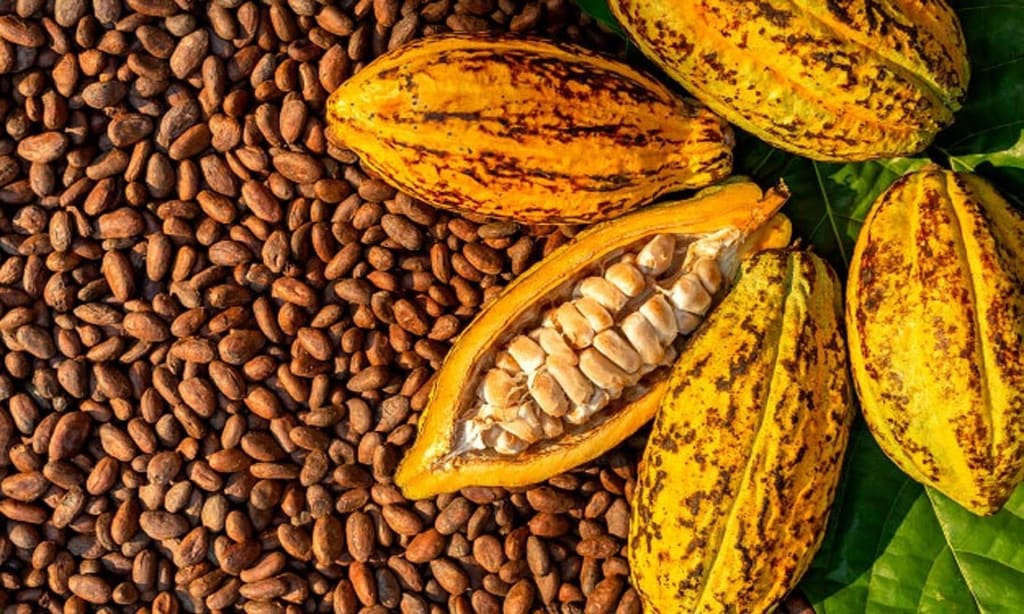
According to IMARC Group's latest research publication, Nigeria cocoa processing market size reached USD 615.8 Million in 2024. Looking forward, IMARC Group expects the market to reach USD 996.3 Million by 2033, exhibiting a growth rate (CAGR) of 4.9% during 2025-2033.
How AI is Reshaping the Future of Nigeria Cocoa Processing Market
- AI is shaking up Nigerian cocoa processing by optimizing fermentation and drying steps with smart models that deliver higher quality products and a solid edge for local firms.
- Government-backed AI traceability platforms are transforming Nigeria’s cocoa processing by guaranteeing compliance with global standards and unlocking new export markets for local businesses.
- AI quality detection tools like e-nose and computer vision are lifting cocoa processing quality in Nigeria, helping firms create products that command better prices worldwide.
Nigeria Cocoa Processing Market Trends & Drivers:
The Nigeria cocoa processing market is experiencing a steady shift towards greater local value addition as processors invest in modern facilities to convert raw beans into butter, powder, and other intermediates. This trend is fueled by the desire to reduce reliance on raw bean exports and capture more economic benefits domestically. Growing interest in flavored and premium cocoa products, along with expanding confectionery and beverage industries, encourages processors to upgrade equipment and improve product quality. Supportive measures from authorities promote domestic processing through incentives and infrastructure improvements, helping to build capacity and create employment opportunities in the sector. As awareness of health benefits associated with cocoa rises, demand for processed items strengthens, pushing the market toward higher efficiency and innovation in grinding and refining techniques.
Government initiatives play a pivotal role in driving the Nigeria cocoa processing market by establishing frameworks that support farmers and processors alike. Efforts to form regulatory bodies aim to coordinate production, enhance quality standards, and provide access to credit and training, which in turn boost local processing activities. These policies encourage partnerships with investors to expand grinding capacities and promote sustainability practices across the value chain. Improved access to modern inputs and rehabilitation of aging plantations further supports consistent supply for processors. Such measures help address infrastructure gaps and foster a more organized market, enabling processors to meet both local consumption needs and international quality requirements while contributing to broader economic diversification goals.
Rising global interest in sustainable and traceable cocoa products acts as a key driver for the Nigeria cocoa processing market, prompting local players to adopt better farming and processing practices. Investments in certification and technology help processors access premium markets and build long-term relationships with buyers. The focus on health-conscious consumers increases demand for high-quality cocoa derivatives used in chocolates, drinks, and baked goods. Collaborative projects with development partners enhance processing capabilities and empower smallholders through better market linkages. Overall, these elements create a positive environment for growth, as the sector moves toward more integrated operations that emphasize quality, efficiency, and value creation within the country.
Nigeria Cocoa Processing Industry Segmentation:
The report has segmented the market into the following categories:
Breakup by Bean Type:
- Forastero
- Criollo
- Trinitario
Breakup by Product Type:
- Cocoa Butter
- Cocoa Liquor
- Cocoa Powder
- Others
Breakup by Application:
- Confectionary
- Bakery
- Beverages
- Pharmaceuticals
- Others
Competitive Landscape:
The competitive landscape of the industry has also been examined along with the profiles of the key players.
Recent News and Developments in Nigeria Cocoa Processing Market
- February 2025: $40.5 million British investment enables Johnvents to more than double cocoa processing capacity to 30,000 metric tons annually via new machine acquisitions and factory expansion in Ondo state.
- June 2025: National Cocoa Management Board approval advances local processing infrastructure to capture higher returns with processed products yielding up to $30,000 per tonne versus raw exports.
- October 2025: Ten operational cocoa processing factories reach combined annual capacity of 48,000 metric tons, supporting profitable exports of butter and powder to Europe, Asia, and the US.
Note: If you require specific details, data, or insights that are not currently included in the scope of this report, we are happy to accommodate your request. As part of our customization service, we will gather and provide the additional information you need, tailored to your specific requirements. Please let us know your exact needs, and we will ensure the report is updated accordingly to meet your expectations.
About the Creator
Fatimah
Market research writer at IMARC Group, turning data into engaging stories. Passionate about trends, insights & real-world impact. Join me on Vocal!
Enjoyed the story? Support the Creator.
Subscribe for free to receive all their stories in your feed.
Comments
There are no comments for this story
Be the first to respond and start the conversation.