
Niacinamide Beauty Products Market Size and the B3 Takeover
From a $627M base in 2025, niacinamide is rewriting how consumers and brands think about skincare.
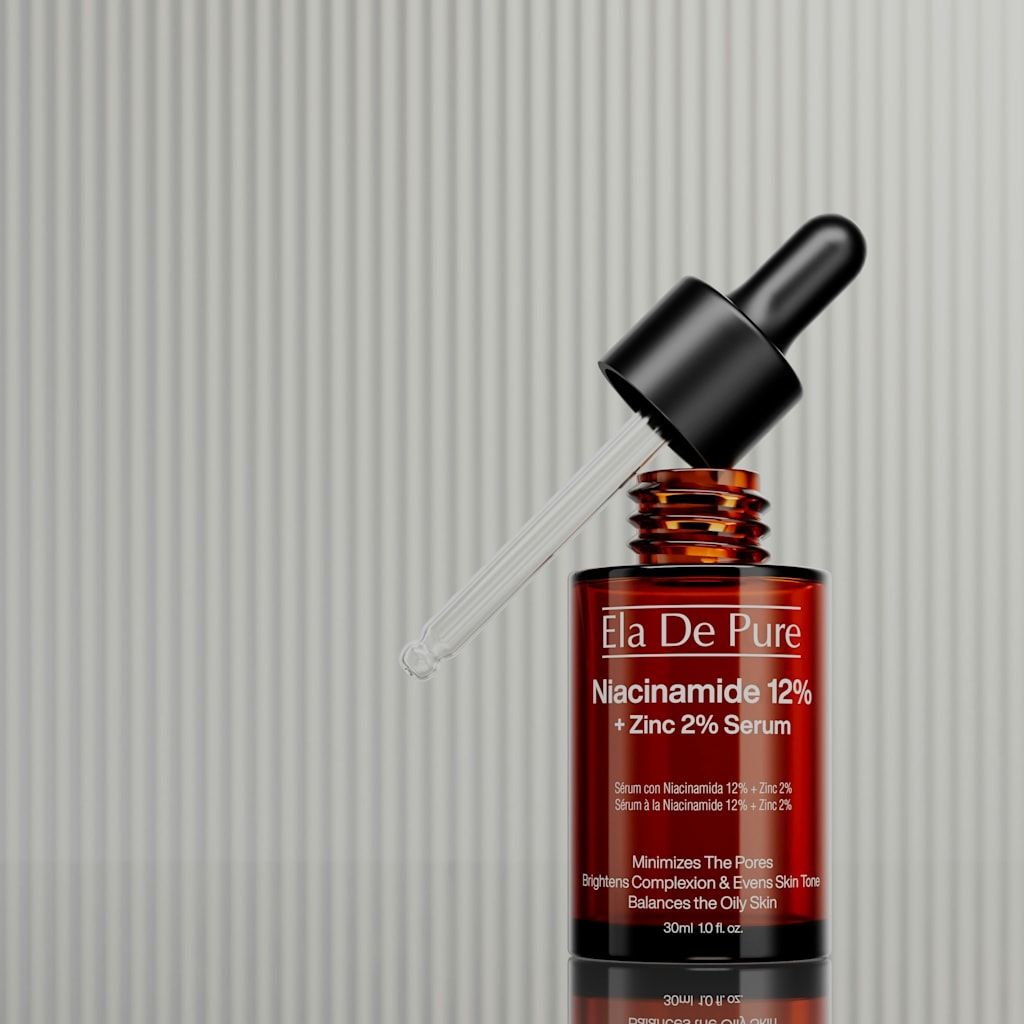
The Vitamin B3 Takeover: Why Niacinamide Is Quietly Reshaping the Beauty Industry
A single ingredient now appears in more than one in five new skincare launches worldwide. It is not retinol. It is not hyaluronic acid. It is niacinamide — a form of vitamin B3 that dermatologists have studied for decades but that consumers are only now treating as essential.
The numbers behind the Niacinamide Beauty Products Market size tell a clear story: valued at roughly $626.7 million in 2025, the sector is projected to reach $1,119.0 million by 2035 — a compound annual growth rate of 6.0% over the decade. For context on how that trajectory breaks down across product types, formulation technologies, and regional demand, a detailed segmentation is available in this niacinamide beauty products industry overview.
What Moved Niacinamide From Clinic to Cart
For most of the twentieth century, niacinamide was a medical term — something physicians discussed in the context of pellagra prevention or rosacea management. That changed when South Korean beauty brands began formulating it into serums and toners at concentrations of 5–10%, making it accessible to everyday consumers rather than only dermatology patients.
The shift accelerated sharply when The Ordinary, a brand under the Deciem umbrella, priced its 10% Niacinamide + Zinc serum at under $10 USD and sold millions of units globally. That single product arguably did more to mainstream the ingredient than any clinical paper. Consumers who had previously paid $80 for a branded "brightening" serum suddenly had access to the same active — labeled plainly, dosed precisely, and priced for repeat purchase. Beauty forums and social platforms ran with it. Dermatologists, for once, did not push back.
The Science Behind the Sales
Niacinamide's appeal is not hype. It reduces melanin transfer to skin cells, which addresses hyperpigmentation. It strengthens the epidermal barrier by stimulating ceramide production. It is broadly well-tolerated, unlike retinol, which causes purging and sun sensitivity in many users. And it pairs well with nearly every other active ingredient, a rare quality in cosmetic chemistry.
This functional versatility is what makes it commercially durable. Brands can justify including it in moisturizers, sunscreens, foundations, eye creams, and body lotions without reformulation risk. A single ingredient serving multiple categories multiplies the number of SKUs it touches — and, consequently, the revenue footprint it supports.
Where the Demand Is Coming From
Asia-Pacific remains the dominant engine of Niacinamide Beauty Products Market growth, driven by deeply established skincare rituals across South Korea, Japan, China, and increasingly, India and Southeast Asia. In China specifically, domestic brands like Proya and Winona have expanded niacinamide-forward product lines targeting millennial and Gen Z consumers who cross-reference ingredient lists before purchasing. These are not passive buyers; they read INCI labels and follow cosmetic chemists on social media.
North America and Europe are growing more steadily but are fueled by a different dynamic: the so-called "skintelligence" trend, wherein consumers approach routine-building with near-clinical precision. Retailers like Sephora and ASOS have reorganized product pages around active ingredients rather than brand names, effectively training a new generation of shoppers to search for niacinamide the way they once searched for SPF ratings.
According to the Niacinamide Beauty Products Market size and growth analysis published by Market.us, this demand is expected to hold firm through the next decade as clean-label and evidence-based beauty continue to converge.
The Saturation Question Nobody Wants to Ask
Any analyst watching ingredient trends knows the cycle. An active goes from niche to mainstream to oversaturation, and eventually consumers tune it out. It happened with charcoal. It happened with collagen in body lotion. The question is whether niacinamide is different.
There is a reasonable case that it is. Its efficacy is well-documented. It lacks the irritation profile that causes users to abandon retinol. And unlike many trend ingredients, it has regulatory backing across major markets — classified as safe at established concentrations in the EU, the US, and South Korea. Brands have less reason to cycle away from it when reformulating, and consumers have less reason to stop buying it when they see visible results.
The more plausible risk is that niacinamide becomes so ubiquitous it ceases to be a differentiator. At that point, the brands that built their identity around the ingredient will need something more — a proprietary delivery system, a novel synergistic pairing, or a concentration innovation that the competition cannot quickly replicate. Several lab-focused brands are already moving in that direction, investing in encapsulation technologies that claim to improve skin penetration and extend efficacy beyond what standard formulations can offer. The next phase of this market may be less about the ingredient itself and more about who can make it work better.
About the Creator
Mark K. Belton
I’m Mark K. Belton, 26 years old, currently working as a Digital Marketing Intern. I have a strong interest in digital marketing and have been developing my skills in SEO, social media marketing, content creation, and online campaign
Enjoyed the story? Support the Creator.
Subscribe for free to receive all their stories in your feed.
Comments
There are no comments for this story
Be the first to respond and start the conversation.