
Murumuru Butter Cosmetics Market Size Reaches $695M in 2025
A rainforest seed butter is quietly reshaping premium cosmetics formulation worldwide.
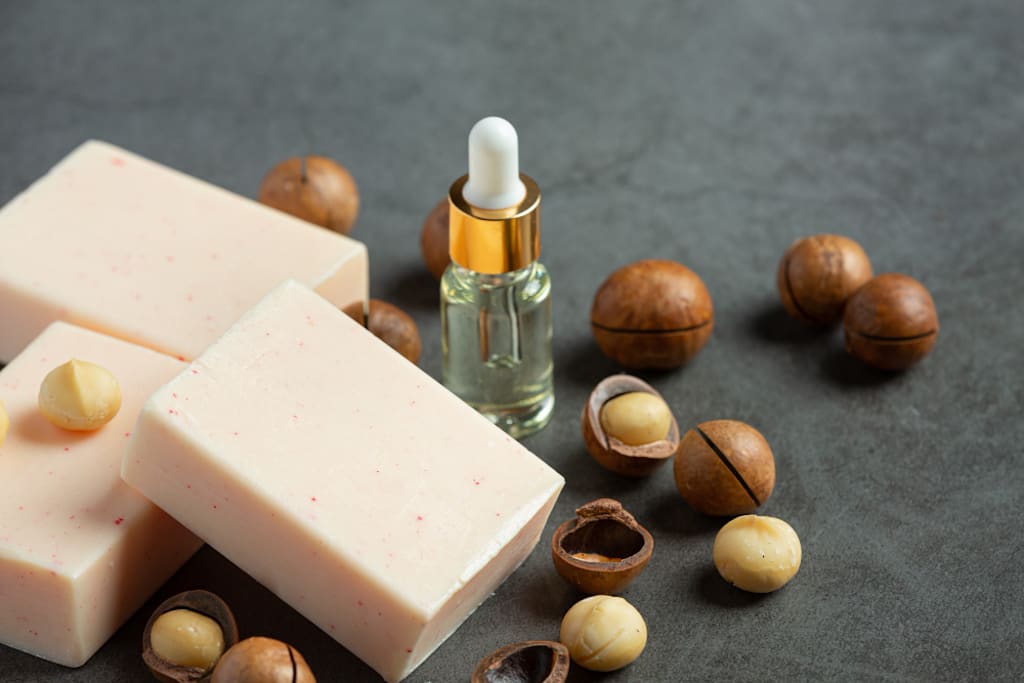
The Amazon's Best-Kept Beauty Secret Is Now a $695 Million Industry
A seed harvested deep in the Brazilian Amazon, once used by Indigenous communities to condition hair through months of dry season heat, is quietly reshaping the global cosmetics supply chain. Murumuru butter — pressed from the fruit of the Astrocaryum murumuru palm — has moved from ethnobotanical curiosity to formulation staple in less than a decade. The Murumuru Butter Cosmetics Market size stood at roughly USD 695.2 million in 2025, and analysts tracking the sector expect it to nearly double, crossing USD 1.26 billion by 2035. A detailed breakdown of those projections is available in this murumuru butter cosmetics industry overview.
The numbers are striking. But the more interesting story is why this particular butter is winning — in a category already crowded with shea, cocoa, mango, and kokum.
What Murumuru Has That Shea Doesn't
Cosmetic chemists will tell you the answer comes down to fatty acid profile. Murumuru butter is unusually rich in lauric acid — the same saturated fat found in coconut oil — combined with myristic acid. That dual composition gives it exceptional emollient properties and a relatively low melting point, which means it absorbs into skin and hair quickly without leaving the heavy, waxy residue that can make some plant butters unpopular in humid climates.
This matters enormously in South and Southeast Asia, where humidity makes rich moisturizers feel uncomfortable for a large portion of the year. Brands formulating for Indian, Brazilian, and Indonesian consumers have found murumuru a technically superior base for hair masks, lip balms, and leave-in conditioners. It performs well in heat. It doesn't pill. And for consumers increasingly reading ingredient labels, it carries a kind of rainforest authenticity that synthetic alternatives simply cannot replicate.
Europe's Clean Beauty Regulations Are Accelerating Adoption
Regulatory pressure in Europe has become an unexpected tailwind. The European Union's ongoing restrictions on synthetic emollients — particularly certain silicones under REACH regulations — have pushed formulators to look for plant-derived alternatives with comparable sensory profiles. Murumuru checks most of those boxes. Several mid-size European personal care brands, including French clean beauty label Nuxe, have incorporated Amazonian botanical ingredients into product lines that now sell across the EU and UK markets.
The Murumuru Butter Cosmetics Market growth at a projected CAGR of 6.2% through 2035 reflects not just consumer demand but a structural reformulation cycle happening across the industry, as documented in murumuru butter cosmetics market size and growth analysis. Brands aren't adding it as a novelty — they're using it as a core functional ingredient in products designed to last five or more years in a portfolio.
Supply Chain Realities in the Brazilian Amazon
Sourcing murumuru butter at commercial scale is not simple. The palm doesn't lend itself to plantation cultivation — it grows in flooded várzea forests along Amazonian river systems, and harvesting is largely done by hand by riverine communities, particularly in the states of Pará and Amazonas. This creates both a supply ceiling and a compelling ethical narrative.
Several ingredient suppliers, including French bioactives company Beraca (now part of Clariant), have built fair trade sourcing programs with Amazonian cooperatives, paying above-market prices in exchange for traceability certifications. For cosmetics brands marketing to consumers who care about supply chain ethics — a growing and measurable demographic — that provenance is commercially valuable. It's also one reason murumuru commands a price premium over commodity butters like shea.
The constraint, paradoxically, may be what sustains the market's health. Murumuru is unlikely to become the next palm oil. The geography won't allow it. And that scarcity keeps the ingredient positioned firmly in the premium and masstige tiers rather than trickling into low-margin commodity cosmetics.
Where the Next Five Years Are Taking This Ingredient
The product categories expanding fastest around murumuru are hair care — especially masks and curl-defining creams targeting the textured hair consumer segment — and color cosmetics, where its texture and stability make it a useful base for solid lipsticks and tinted balms. Men's grooming is an emerging application, with several independent brands launching murumuru-based beard conditioners in North American and European markets.
What's taking shape is less a trend than a category of its own: plant butters with documented sourcing histories, functional chemistry that can displace synthetics, and consumer stories rooted in specific geographies. Murumuru fits all three criteria. As clean formulation becomes the baseline expectation rather than the premium exception, ingredients like this one — precise, traceable, functional — are likely to become permanent fixtures on cosmetic ingredient decks rather than seasonal inclusions in limited-edition launches.
About the Creator
Mark K. Belton
I’m Mark K. Belton, 26 years old, currently working as a Digital Marketing Intern. I have a strong interest in digital marketing and have been developing my skills in SEO, social media marketing, content creation, and online campaign
Enjoyed the story? Support the Creator.
Subscribe for free to receive all their stories in your feed.
Comments
There are no comments for this story
Be the first to respond and start the conversation.