
Middle East Seed Market: Agricultural Innovation, Crop Yield Enhancement & Growth Outlook
How rising demand for high-yield crops, climate-resilient seed varieties, and modern farming techniques is reshaping growth and innovation in the Middle East seed market

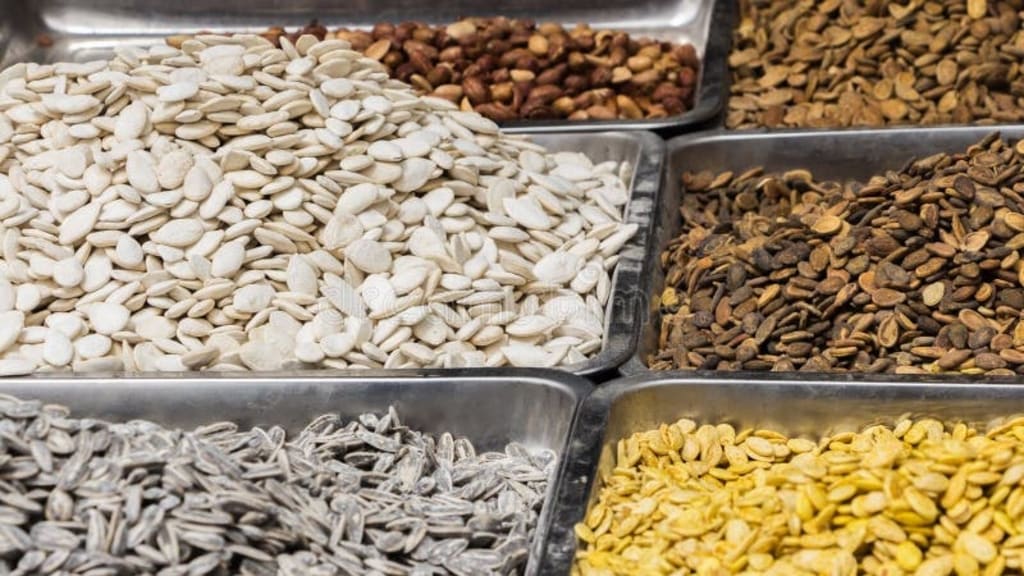
According to IMARC Group's latest research publication, Middle East seed market size reached USD 1,243.9 Million in 2025. Looking forward, IMARC Group expects the market to reach USD 2,390.3 Million by 2034, exhibiting a growth rate (CAGR) of 7.53% during 2026-2034.
How AI is Reshaping the Future of Middle East Seed Market
- AI-powered precision farming enhances seed quality and crop yields by optimizing planting, watering, and nutrient delivery, directly supporting the cultivation of genetically modified seeds with improved traits.
- Machine learning algorithms enable breeders to analyze genetic data faster, accelerating the development of herbicide-tolerant and insecticide-resistant seeds.
- AI-driven climate modeling assists farmers and researchers in selecting seed varieties that are resilient to extreme weather events, addressing climate change impacts.
Middle East Seed Market Trends & Drivers:
Advancements in agricultural technology have significantly propelled the Middle East seed market. The implementation of precision farming techniques and genetic engineering has enhanced seed quality, contributing to higher crop yields. This is reflected in the growing demand for genetically modified seeds exhibiting resistance to pests, diseases, and unfavorable climatic conditions. Such innovations contribute to a stronger foundation for agricultural productivity, which is crucial in the region with its diverse environmental challenges.
The regional population rise and shifting dietary preferences have intensified the necessity for increased agricultural output. Consequently, there is a palpable growth in the demand for a variety of seeds including hybrid and organic, as farmers seek sustainable farming options that reduce chemical usage. Government initiatives focused on promoting sustainable agriculture and food security act as significant growth catalysts, encouraging the adoption of improved seed varieties and farming techniques.
Climate change concerns are prompting a shift in farming practices towards resilient seed varieties capable of withstanding extreme weather events. This transition is crucial in the Middle East, where climate variability poses a real threat to crop productivity. Such factors drive the seed market forward by encouraging research, development, and adoption of seeds with traits like herbicide tolerance and insect resistance ensuring sustained agricultural productivity under challenging climatic conditions.
Middle East Seed Industry Segmentation:
The report has segmented the market into the following categories:
Type Insights:
- Genetically Modified Seeds
- Conventional Seeds
Seed Type Insights:
- Oilseeds
- Soybean
- Sunflower
- Cotton
- Canola/Rapeseed
- Cereals and Grains
- Corn
- Wheat
- Rice
- Sorghum
- Fruits and Vegetables
- Tomatoes
- Lemons
- Brassica
- Pepper
- Lettuce
- Onion
- Carrot
- Burpee and Park
- Others
Traits Insights:
- Herbicide-Tolerant (HT)
- Insecticide-Resistant (IR)
- Others
Availability Insights:
- Commercial Seeds
- Saved Seeds
Seed Treatment Insights:
- Treated
- Untreated
Country Insights:
- Saudi Arabia
- Turkey
- Israel
- United Arab Emirates
- Iran
- Iraq
- Qatar
- Kuwait
- Oman
- Jordan
- Bahrain
- Others
Competitive Landscape:
The competitive landscape of the industry has also been examined along with the profiles of the key players.
Recent News and Developments in Middle East Seed Market
- October 2025: Government initiatives have been introduced in collaboration with educational institutions to promote sustainable agriculture practices incorporating the latest seed technologies, thereby enhancing food security programs across multiple Middle Eastern countries.
- September 2025: Leading seed companies have expanded their operations with new distribution centers and launched awareness campaigns focused on genetically modified and herbicide-tolerant seeds, boosting availability and adoption.
- August 2025: Market reports indicated a significant increase in commercial seed adoption across the Middle East, attributed to growing farmer awareness and government subsidies encouraging the use of treated and high-yield seed varieties.
Note: If you require specific details, data, or insights that are not currently included in the scope of this report, we are happy to accommodate your request. As part of our customization service, we will gather and provide the additional information you need, tailored to your specific requirements. Please let us know your exact needs, and we will ensure the report is updated accordingly to meet your expectations.
About the Creator
Fatimah
Market research writer at IMARC Group, turning data into engaging stories. Passionate about trends, insights & real-world impact. Join me on Vocal!
Enjoyed the story? Support the Creator.
Subscribe for free to receive all their stories in your feed.
Comments
There are no comments for this story
Be the first to respond and start the conversation.