
Learning the Evolution of Immersive Technology
Evolution of immersive technology from gaming origins to enterprise solutions, explaining how AR, VR, and MR are transforming industries.

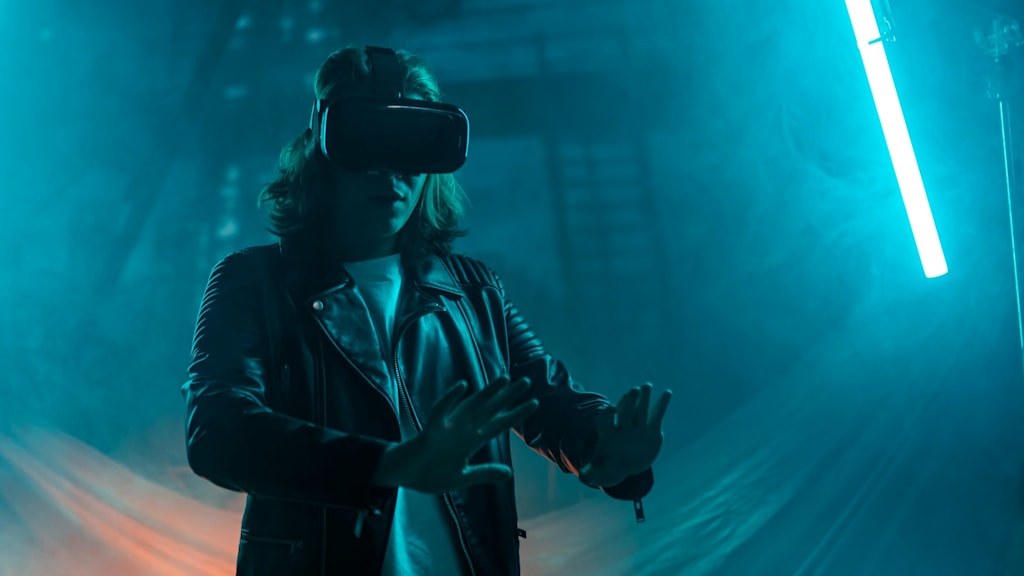
The evolution of immersive technology began with the desire to create more engaging digital experiences, especially within the gaming industry. Early video games focused on improving graphics, sound, and storytelling to make users feel more connected to virtual environments. While these experiences were limited to screens, they laid the foundation for more advanced forms of interaction.
As technology progressed, developers introduced virtual reality systems that allowed users to enter digital environments rather than simply view them. This marked an important stage in the evolution of immersive technology because it shifted the user role from observer to participant. Instead of controlling characters from a distance, users could look around and interact within the virtual world.
Augmented reality also emerged during this period, offering a different approach by enhancing the real world with digital elements. These early developments demonstrated that immersive technology could go beyond entertainment and provide meaningful interaction. Understanding this stage of the evolution of immersive technology helps learners see how innovation often begins with simple improvements that gradually expand into more complex systems.
The evolution of immersive technology has significantly influenced how interaction design is approached. Traditional digital systems rely on screens and input devices such as keyboards or touch interfaces. Immersive technology introduces new interaction methods that are more aligned with natural human behavior.
In immersive environments, users can interact through gestures, voice commands, and movement. This requires designers to think differently about how digital experiences are created. Instead of designing flat interfaces, they must consider how users move within space and interact with objects in three dimensions.
This shift is important because it reduces the learning curve associated with technology. When interactions feel natural, users can focus on tasks rather than figuring out how to use the system. The evolution of immersive technology therefore supports the development of user-friendly and accessible digital experiences.
For learners, understanding this transformation provides insight into how design principles are evolving to meet the needs of modern users.
The evolution of immersive technology has expanded beyond gaming into enterprise applications, where it is used to improve efficiency and productivity. Businesses are adopting immersive technologies such as virtual reality, augmented reality, and mixed reality to enhance training, collaboration, and operations.
In training environments, virtual reality allows employees to practice skills in a safe and controlled setting. This is especially useful in industries where real-world training may involve risks or high costs. For example, workers can learn procedures or operate equipment in a virtual environment before applying their skills in real situations.
Augmented reality is used to provide real-time information within the workplace. Employees can receive instructions or guidance directly within their field of view, helping them complete tasks more accurately. This reduces errors and improves overall performance.
Mixed reality supports collaboration by enabling teams to interact with digital models in shared spaces. This is particularly beneficial in fields such as engineering and design, where visualizing complex structures is essential. The evolution of immersive technology in enterprise applications demonstrates how these tools can enhance both individual and team performance.
The evolution of immersive technology is driving transformation across various industries by introducing new ways to interact with information and processes. In healthcare, immersive technologies are used for medical training, visualization, and patient education. These applications improve understanding and support better decision-making.
In education, immersive technology creates interactive learning environments that engage students and improve knowledge retention. Learners can explore concepts through simulation and visualization, making abstract ideas easier to understand.
Retail is also being transformed by the evolution of immersive technology. Customers can use augmented reality to visualize products in their own environment before making a purchase. This enhances the shopping experience and helps users make informed decisions.
In manufacturing and engineering, immersive technologies are used for design, prototyping, and maintenance. Professionals can test ideas in virtual environments, reducing costs and improving efficiency. These examples show how the evolution of immersive technology is reshaping industries and creating new opportunities for innovation.
The future of the evolution of immersive technology is closely linked to ongoing advancements in digital systems. One important development is the creation of wearable devices that allow users to interact with immersive environments more easily. These devices make technology more accessible and integrate it into everyday life.
Artificial intelligence is also enhancing immersive technology by enabling systems to understand user behavior and provide personalized experiences. This improves efficiency and ensures that interactions remain relevant and effective.
Another key trend is the integration of immersive technology into interconnected digital environments. In these systems, digital content is embedded within physical spaces, allowing users to access information seamlessly as they move through their surroundings.
For learners, understanding the evolution of immersive technology is important for keeping up with technological changes. It also provides opportunities to explore new fields such as immersive design, development, and innovation. As these technologies continue to evolve, they will play a significant role in shaping how people learn, work, and interact.
The evolution of immersive technology highlights the progression from simple digital experiences to complex, interactive environments that combine physical and virtual elements. From its beginnings in gaming to its application in enterprise solutions, immersive technology has transformed how users interact with digital systems.
By enabling natural interaction, improving engagement, and supporting innovation, immersive technologies have become essential tools in modern industries. Their ability to create realistic and interactive environments makes them valuable for learning, collaboration, and problem-solving.
As the evolution of immersive technology continues, it will further influence the development of digital experiences and expand the possibilities for interaction. Understanding this evolution provides a strong foundation for exploring future advancements and adapting to a rapidly changing technological landscape.
About the Creator
Alex Kipman
Alex Kipman is a technology innovator known for his work in mixed, augmented, and virtual reality, with achievements like Kinect and a vision to expand human connections through the metaverse.
Portfolio: https://alexkipman.com
Enjoyed the story? Support the Creator.
Subscribe for free to receive all their stories in your feed.
Comments
There are no comments for this story
Be the first to respond and start the conversation.