
Japan Toys Market: Size, Trends, and Growth Outlook
How Innovation, Collectibles Culture, and Digital Integration Are Driving Demand in Japan

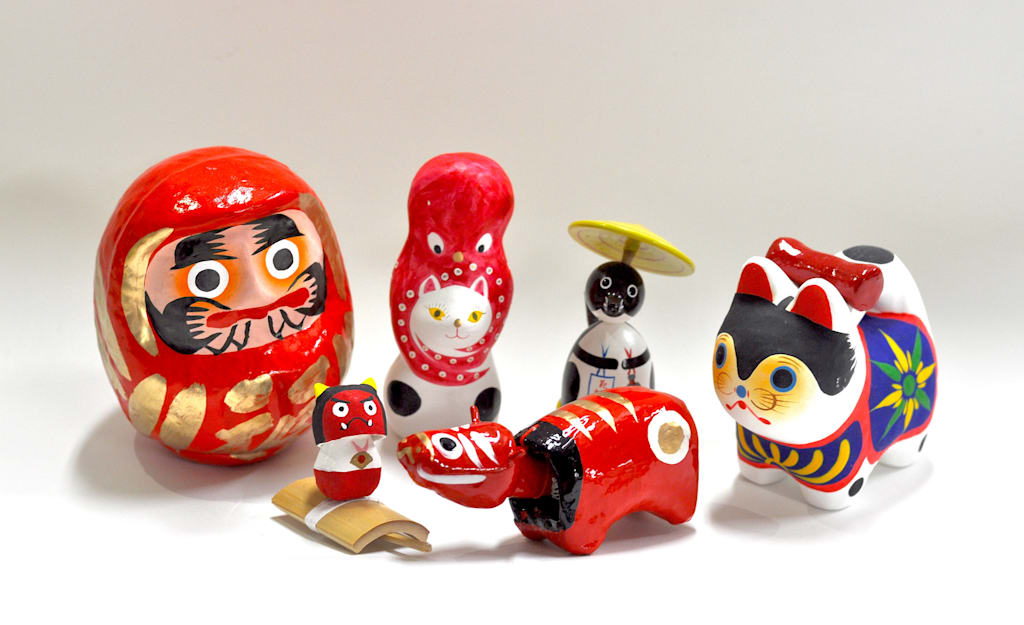
Market Overview
The toys market in Japan reflects a unique blend of traditional play patterns and cutting-edge innovation, making it one of the most dynamic markets globally. From classic toys and educational kits to high-tech gadgets and character-based collectibles, the industry caters to both children and a rapidly growing adult consumer base.
According to analysis by IMARC Group, the Japan toys market reached USD 14.8 billion in 2025 and is expected to grow steadily, reaching approximately USD 22.5 billion by 2034. This represents a compound annual growth rate (CAGR) of 4.5% during 2026–2034, driven by strong demand for character merchandise, innovation in smart toys, and the expansion of collector-driven segments.
As entertainment, education, and fandom culture continue to merge, toys in Japan are evolving beyond simple play items into lifestyle and collectible products.
Access a Comprehensive Business Sample Report for Strategic Evaluation
Key Drivers Fueling Market Growth
- Strong Demand for Character-Based Merchandise
Japan’s globally recognized anime, manga, and gaming culture is a major growth driver. Popular franchises generate consistent demand for figurines, action toys, and themed merchandise, especially among young adults and collectors.
- Rise of Adult Consumers and Collectibles Market
Unlike many other regions, Japan has a significant adult toy consumer base. Collectible figures, hobby kits, and limited-edition items are highly popular, contributing substantially to overall market revenue.
- Educational and STEM Toys Growth
Parents are increasingly investing in toys that promote learning and skill development. STEM-based toys, puzzles, and interactive kits are gaining traction as tools for cognitive and creative growth.
Role of Technology and Innovation
- Smart and Interactive Toys
Technology integration is transforming the toys industry. AI-enabled robots, app-connected toys, and augmented reality (AR) experiences are enhancing engagement and creating immersive play environments.
- Digital Gaming and Hybrid Play Experiences
The line between physical toys and digital gaming continues to blur. Many products now combine physical components with digital interfaces, offering a hybrid play experience.
- Focus on Safety and Quality
Japanese consumers prioritize safety and durability. Manufacturers emphasize high-quality materials, strict safety standards, and innovative designs to build trust and brand loyalty.
Japan Toys Industry Trends & Drivers
The toys market in Japan is shaped by a combination of cultural trends and technological advancements. Collectibles linked to anime and gaming franchises continue to dominate sales, while nostalgia-driven purchases are boosting demand among adult consumers.
E-commerce is playing a vital role in expanding market reach. Online platforms allow consumers to access limited-edition products, compare prices, and explore international brands easily.
Additionally, collaborations between toy manufacturers and entertainment companies are creating exclusive product lines, driving excitement and repeat purchases.
Japan Toys Market Segmentation
By Product Type
- Action Figures
- Dolls
- Games and Puzzles
- Construction Sets
- Outdoor and Sports Toys
- Others
By Age Group
- Up to 5 Years
- 5–10 Years
- Above 10 Years
By Distribution Channel
- Supermarkets and Hypermarkets
- Specialty Stores
- Online Stores
- Others
By Region
Kanto
Kansai / Kinki
Chubu
Kyushu–Okinawa
Tohoku
Chugoku
Hokkaido
Shikoku
This segmentation highlights the diversity of product categories and consumer demographics driving demand across Japan.
Competitive Landscape
The Japan toys market features a mix of global brands, domestic manufacturers, and niche collectible-focused companies. Competition is driven by innovation, licensing agreements, product quality, and brand positioning.
Companies that leverage popular intellectual properties, introduce technologically advanced products, and maintain strong distribution networks are gaining a competitive edge. Limited-edition launches and collaborations are particularly effective in capturing consumer attention.
Market Outlook
The Japan toys market is expected to experience steady growth through 2034, supported by evolving consumer preferences, technological integration, and strong cultural influences.
As the boundaries between entertainment, education, and collectibles continue to blur, the market will expand beyond traditional children’s toys into broader lifestyle and hobby segments. With innovation at its core, Japan’s toys industry is well-positioned to sustain long-term growth and global influence.
About the Creator
Emma Miller
Hello, I’m Emma Miller, a market research specialist with over 5 years of experience in uncovering consumer insights and driving data-backed strategies.
Enjoyed the story? Support the Creator.
Subscribe for free to receive all their stories in your feed.
Comments
There are no comments for this story
Be the first to respond and start the conversation.