
Japan Die Casting Market: Size, Trends, and Growth Outlook
How Automotive Demand, Lightweight Materials, and Precision Engineering Are Driving Growth in Japan

Market Overview
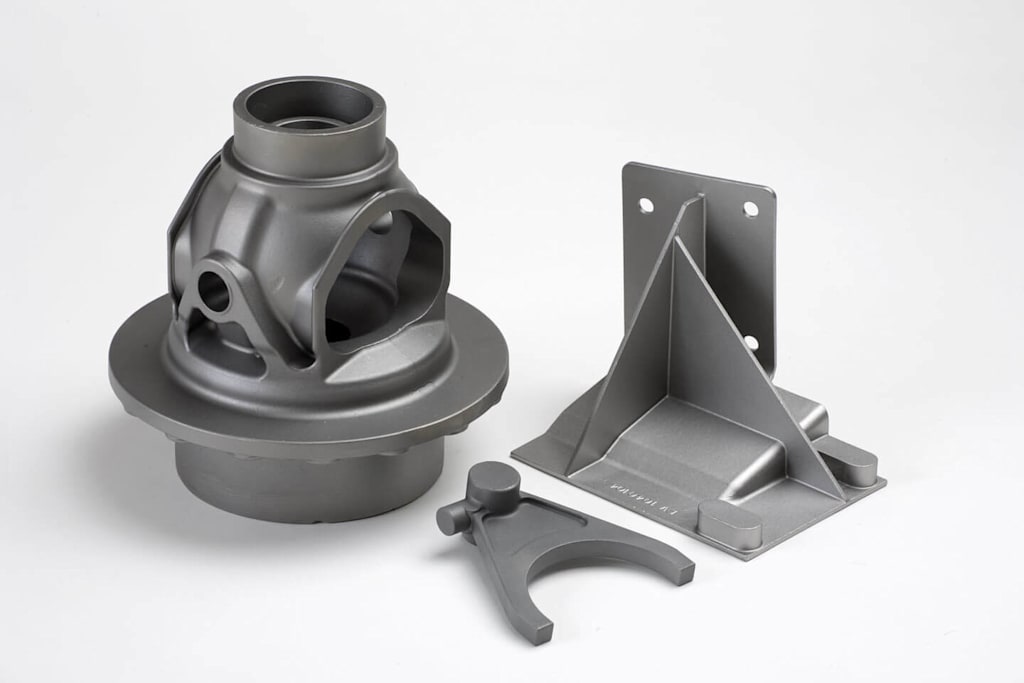
The die casting market in Japan is a vital segment of the country’s advanced manufacturing ecosystem, enabling the production of high-precision metal components used across automotive, electronics, aerospace, and industrial machinery sectors. Die casting is widely valued for its ability to produce complex shapes with high accuracy, durability, and cost efficiency.
While specific standalone die casting figures are often included within broader casting data, industry analysis by IMARC Group indicates that the Japan metal casting market reached USD 11.4 billion in 2025 and is expected to reach USD 23.9 billion by 2034, growing at a CAGR of 8.55% during 2026–2034.
Within this, die casting—particularly aluminum and zinc die casting—represents a fast-growing and high-value segment due to its extensive use in precision components and lightweight applications.
As Japan continues to emphasize high-quality manufacturing and technological advancement, die casting is becoming increasingly critical to industrial production.
Access a Comprehensive Business Sample Report for Strategic Evaluation
Key Drivers Fueling Market Growth
- Strong Demand from Automotive Industry
Japan’s automotive sector is a major consumer of die-cast components, including engine parts, transmission housings, and structural elements. The shift toward electric vehicles (EVs) is further accelerating demand for lightweight and high-performance components.
- Rising Need for Lightweight Materials
Manufacturers are increasingly adopting aluminum and magnesium die casting to reduce weight and improve energy efficiency. This is particularly important for EVs and fuel-efficient vehicles.
- Expansion of Electronics and Industrial Machinery
Die casting is widely used in consumer electronics and industrial equipment due to its precision and scalability. Growth in these sectors is contributing significantly to market expansion.
Role of Technology and Innovation
- Advanced Die Casting Techniques
Technologies such as high-pressure die casting (HPDC) and vacuum die casting are improving production efficiency and component quality. These methods enable the creation of complex geometries with minimal defects.
- Automation and Smart Manufacturing
Japanese manufacturers are integrating robotics, AI, and smart factory solutions into die casting processes, enhancing productivity and reducing operational costs.
- Sustainable Manufacturing Practices
Environmental concerns are driving the adoption of energy-efficient processes and recyclable materials, particularly aluminum, which supports sustainability goals.
Japan Die Casting Industry Trends & Drivers
The die casting market in Japan is evolving alongside broader industrial trends, particularly the transition toward electric mobility and digital manufacturing.
Automotive electrification is one of the strongest growth drivers, as EV production requires advanced die-cast components for battery housings and structural parts. Additionally, increasing demand for precision-engineered products in aerospace and electronics is further boosting market growth.
E-commerce and global supply chains are also influencing the industry, enabling manufacturers to expand their reach and optimize distribution networks.
Japan Die Casting Market Segmentation
By Process Type
- High-Pressure Die Casting (HPDC)
- Low-Pressure Die Casting (LPDC)
- Gravity Die Casting
- Vacuum Die Casting
By Material Type
- Aluminum
- Zinc
- Magnesium
- Others
By End Use Industry
- Automotive and Transportation
- Electrical and Electronics
- Industrial Machinery
- Aerospace
- Construction
- Others
By Region
Kanto
Kansai / Kinki
Chubu
Kyushu–Okinawa
Tohoku
Chugoku
Hokkaido
Shikoku
This segmentation reflects the diverse applications and strong industrial demand supporting the die casting market in Japan.
Competitive Landscape
The Japan die casting market is highly competitive, with the presence of established domestic manufacturers and global players. Companies compete on the basis of technological innovation, precision engineering capabilities, cost efficiency, and production scale.
Firms that invest in automation, lightweight materials, and sustainable production processes are gaining a competitive advantage. Strategic partnerships with automotive and electronics companies also play a key role in market positioning.
Market Outlook
The Japan die casting market is expected to witness strong growth through 2034, supported by rising demand for lightweight components, advancements in casting technologies, and expansion in key end-use industries.
As industries increasingly prioritize efficiency, sustainability, and precision, die casting will remain a cornerstone of Japan’s manufacturing sector—enabling innovation across automotive, electronics, and industrial applications.
About the Creator
Haruto Leo
Haruto Leo is an enthusiastic content writer who enjoys exploring market trends and transforming data into meaningful insights. His work focuses on delivering valuable knowledge in a simple and engaging way.
Enjoyed the story? Support the Creator.
Subscribe for free to receive all their stories in your feed.
Comments
There are no comments for this story
Be the first to respond and start the conversation.