
Is the Organic Liquid Soaps Market Finally Going Mainstream?
A $96.9M industry is doubling by 2035 — and the growth is reshaping soap aisles worldwide.
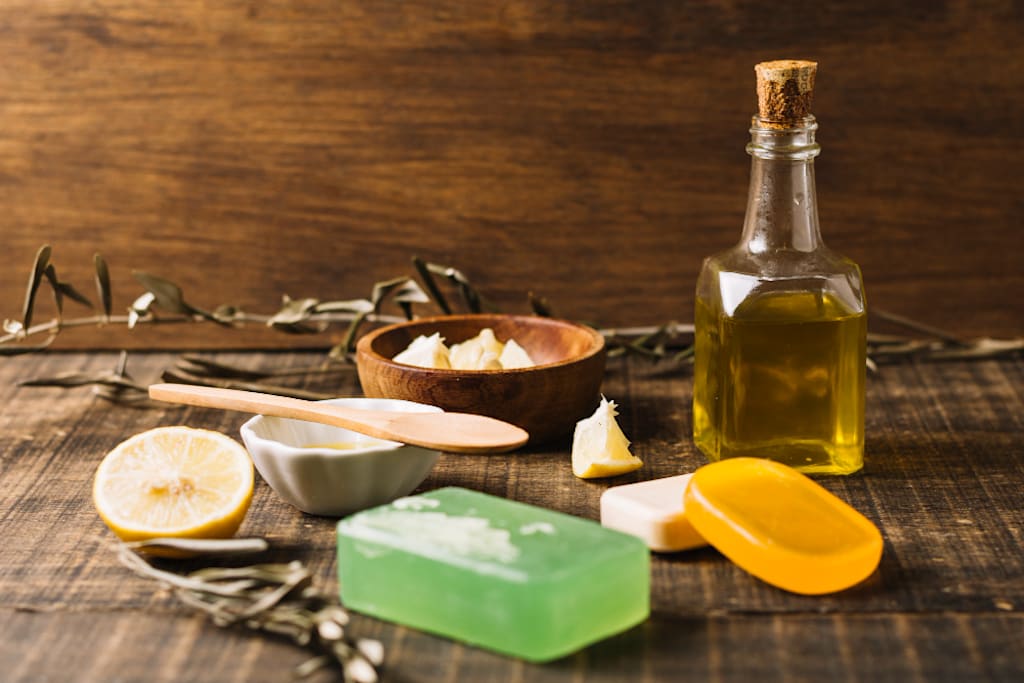
The soap aisle used to be a wall of identical plastic bottles with ingredients no one could pronounce. That era is ending faster than most people realize. The global organic liquid soaps market size stood at roughly $96.9 million in 2025 and is projected to more than double — reaching $215.1 million by 2035, a compound annual growth rate of 8.3%. Those aren't fringe wellness numbers. They reflect a structural shift in how consumers think about something as ordinary as washing their hands. Detailed figures on this trajectory are covered in this organic liquid soaps industry overview.
The irony is that soap — one of humanity's oldest inventions — became a chemical-laden product somewhere along the way. Synthetic surfactants, artificial stabilizers, petroleum-derived fragrances. Companies spent decades engineering lather and scent while quietly stripping out anything natural. Now the market is correcting course, and the correction is proving commercially significant.
Why the Ingredient Label Became the Product
Consumer behavior around personal care has undergone an unusual inversion. For most of the twentieth century, people bought based on brand recognition and price. The assumption was that the company knew best. That trust has eroded, partially because of a wave of dermatology content on social media, partially because of rising rates of skin sensitivity, and partially because ingredient databases like EWG's Skin Deep made it too easy to check what's actually in the bottle.
Organic liquid soaps — those formulated from plant-derived, bio-based ingredients without synthetic surfactants or artificial fragrances — slot neatly into this new consumer logic. If you can read and recognize every ingredient, the product feels safer by default. That's not always scientifically rigorous, but it's the emotional architecture driving purchase decisions.
Germany and France offer particularly instructive examples. EU cosmetic regulations already set stricter limits on synthetic additives than most markets, which has pushed European manufacturers toward cleaner formulations for years. That regulatory pressure, combined with a well-established culture of natural pharmacy culture (the German Reformhaus tradition, for instance), has made organic liquid soap a mainstream retail category rather than a specialty one.
The Commercial Expansion Nobody's Talking About
Most coverage of this market focuses on retail consumers — eco-conscious households swapping out the big-brand pump bottle. That story is real, but the more quietly significant expansion is happening in commercial settings. Hotels, healthcare facilities, office washrooms. These are bulk buyers, which changes the economics of the category substantially.
Institutional purchasing smooths out some of the cost barriers that keep organic soaps from broader adoption. When a mid-tier hotel chain commits to an organic formulation for all guest bathrooms, the volume involved gives a manufacturer like Botanie Natural Soap or Vanguard Soap LLC the scale needed to improve margins on certified organic ingredients. The organic liquid soaps market share in commercial applications is smaller — about 34.7% compared to household's 65.3% — but it's growing precisely because of this dynamic.
In early 2025, Kimberly-Clark launched an organic liquid hand soap line using botanically sourced ingredients, targeting premium retail and institutional channels. When a company that size — known historically for conventional products — enters a niche category, it's not because the category is niche anymore.
The Supply Chain Problem That Doesn't Get Fixed Easily
There's a tension at the center of this growth story that doesn't resolve tidily. Certified organic raw materials are difficult to source at commercial scale. Seasonal variability, geographic concentration of certain botanical crops, the rigidity of organic certification standards — all of these create supply chain constraints that synthetic ingredient manufacturers simply don't face.
This is why the organic liquid soaps market size and share, while growing solidly, hasn't exploded the way some predicted it might after the pandemic hygiene surge. Companies can expand consumer demand more easily than they can scale up certified organic ingredient pipelines. The Honest Company's move in March 2024 to redesign its organic hand soap range around refill pouches was partly a sustainability gesture and partly a pragmatic response to this supply reality — concentrated and refill formats reduce the total volume of raw material required per washing event.
Where the Category Goes From Here
Refillable packaging, aromatherapy formulations, traceability marketing. These aren't trends so much as they are the vocabulary of a maturing category figuring out its next identity. The lavender-and-eucalyptus soap on the bathroom counter of a wellness hotel in Japan and the castile soap in a family's kitchen in Minnesota are, increasingly, products of the same industrial logic — one where the consumer demands to know not just what's in the bottle, but where each ingredient came from and how it was grown. As that demand deepens, the brands willing to make their supply chains legible will have structural advantages over those still treating ingredient transparency as a marketing footnote rather than a business requirement.
About the Creator
Mark K. Belton
I’m Mark K. Belton, 26 years old, currently working as a Digital Marketing Intern. I have a strong interest in digital marketing and have been developing my skills in SEO, social media marketing, content creation, and online campaign
Enjoyed the story? Support the Creator.
Subscribe for free to receive all their stories in your feed.
Comments
There are no comments for this story
Be the first to respond and start the conversation.