
Is Organic Baby Food the Future of Early Childhood Nutrition?
Growing Demand for Chemical-Free Nutrition in Early Childhood

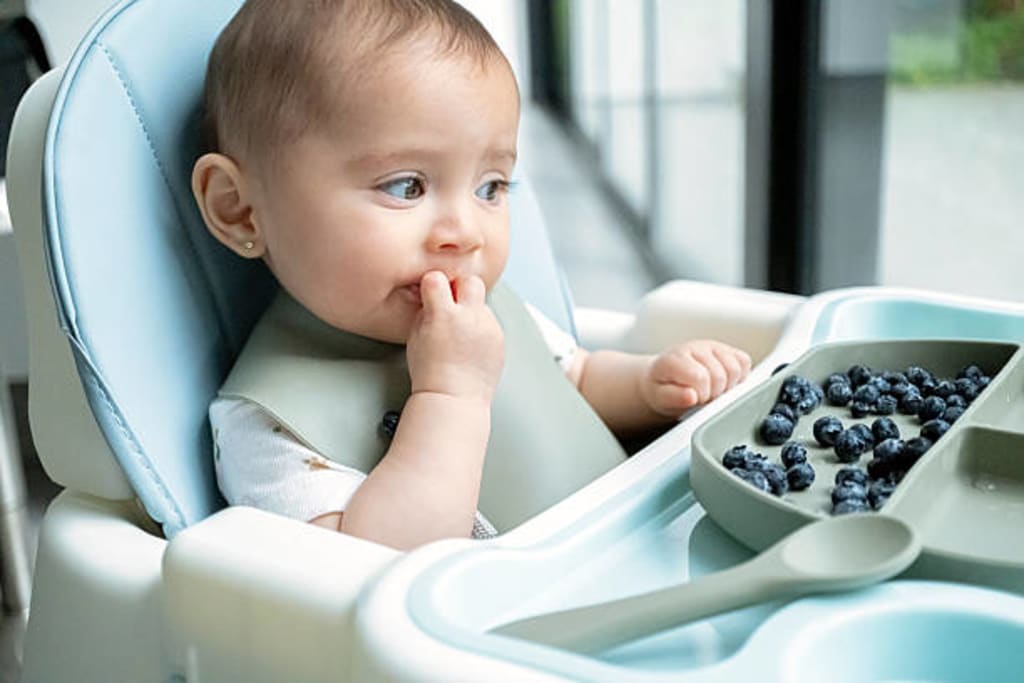
The first few years of a child's life lay the foundation for lifelong health, development, and well-being. As parents become increasingly conscious of nutrition, food safety, and sustainability, organic baby food has emerged as one of the fastest-growing segments in the global food industry. What was once considered a premium niche is gradually becoming a mainstream choice for families seeking cleaner ingredients and healthier diets for their children.
Across Latin America and other parts of the world, consumer preferences are shifting toward products made with natural ingredients, minimal processing, and environmentally responsible farming practices. At the same time, digital retail channels and innovations in food production are making Latin America organic baby food Industry more accessible than ever before.
This raises an important question: Could organic baby food become the future of early childhood nutrition?
Why Parents Are Choosing Organic Baby Food?
Modern parents have access to more nutritional information than any previous generation. Online health resources, pediatric guidance, food labeling, and social media have significantly increased awareness about what goes into baby food products.
Many families now carefully examine ingredient lists, preferring foods free from artificial preservatives, synthetic pesticides, antibiotics, and genetically modified ingredients. Organic baby food aligns with these expectations by emphasizing naturally grown fruits, vegetables, grains, and dairy products produced under certified organic standards.
For many parents, choosing organic isn't simply about following a trend—it's about making informed decisions that support healthier eating habits from infancy.
Health-Conscious Parenting Is Reshaping the Market:
Consumer behavior is undergoing a major transformation. Today's parents increasingly prioritize nutrition over convenience alone.
Instead of selecting products solely based on price, purchasing decisions are now influenced by factors such as:
• Ingredient transparency
• Nutritional quality
• Food safety
• Sustainable sourcing
• Brand trust
• Ethical production
Manufacturers are responding by introducing baby foods with fewer ingredients, reduced sugar content, organic fruits and vegetables, whole grains, and plant-based formulations.
This shift reflects a broader movement toward preventive healthcare, where nutrition is viewed as an essential investment in a child's future health.
Sustainability Is Becoming Part of Baby Nutrition:
The future of baby food extends beyond nutrition alone.
Environmental responsibility has become an important purchasing factor for many young families. Parents increasingly want products that are good not only for their children but also for the planet those children will inherit.
Organic farming methods generally emphasize responsible soil management, biodiversity, reduced chemical usage, and sustainable agricultural practices.
Many baby food manufacturers are also improving their environmental footprint through:
• Recyclable packaging
• Carbon reduction initiatives
• Renewable energy adoption
• Responsible ingredient sourcing
• Waste reduction programs
As sustainability becomes embedded in consumer purchasing decisions, environmentally responsible brands are likely to gain a competitive advantage.
Technology Is Transforming Organic Baby Food Production:
Agriculture is becoming increasingly digital, and organic food production is benefiting from technological innovation.
Precision farming technologies help growers optimize irrigation, monitor soil health, reduce resource consumption, and improve crop quality.
Artificial intelligence, satellite monitoring, connected sensors, and advanced analytics enable farmers to produce higher-quality organic ingredients while maintaining certification standards.
Manufacturers are also adopting advanced food processing technologies that preserve nutritional value without relying heavily on artificial additives.
The integration of technology throughout the supply chain is expected to improve product quality, traceability, and production efficiency over the next decade.
Digital Commerce Is Expanding Consumer Access:
One of the biggest catalysts for market growth has been the rapid expansion of e-commerce.
Parents increasingly purchase baby food through online grocery platforms, subscription services, and direct-to-consumer websites.
Digital channels offer several advantages:
• Wider product selection
• Easy comparison of ingredients
• Customer reviews
• Home delivery
• Personalized product recommendations
Artificial intelligence is also enhancing online shopping experiences by recommending products based on dietary preferences, baby age, and purchasing history.
As internet penetration continues to grow throughout Latin America, online retail is expected to become an increasingly important sales channel for organic baby food manufacturers.
Innovation Is Driving Product Diversity:
Organic baby food today extends far beyond traditional fruit purees.
Manufacturers are continuously developing innovative products designed to meet evolving nutritional needs and lifestyle preferences.
Emerging product categories include:
• Organic finger foods
• Plant-based baby meals
• Functional nutrition products
• Dairy-free alternatives
• High-protein snacks
• Allergen-friendly formulations
• Clean-label meal pouches
Companies are also investing in flavor innovation, texture improvements, and convenient packaging to appeal to busy families.
This continuous innovation is helping organic baby food reach a broader consumer base across multiple income groups.
Consumer Trust Will Define Market Leaders:
Trust has become one of the most valuable assets in the food industry.
Parents expect brands to provide complete transparency regarding ingredient sourcing, nutritional content, certifications, and manufacturing practices.
Companies are increasingly using technologies such as QR codes, digital traceability systems, and blockchain-enabled supply chains to give consumers greater confidence in product authenticity.
Brands that prioritize transparency and maintain consistent quality standards are likely to strengthen customer loyalty in the coming years.
Challenges That Could Shape the Industry:
Despite its strong growth potential, the organic baby food market still faces several challenges.
Organic products often carry higher production costs due to certification requirements, specialized farming methods, and limited availability of organic raw materials.
Supply chain disruptions, climate variability, and inflation can also affect production costs and pricing.
In addition, manufacturers must balance affordability with premium product positioning to reach a wider consumer audience.
As competition intensifies, companies that successfully combine quality, affordability, and sustainability are likely to achieve long-term success.
The Future Could Be Personalized Nutrition:
One of the most exciting developments may be the rise of personalized infant nutrition.
Advances in nutritional science, wearable health technologies, and artificial intelligence could eventually allow baby food recommendations to be tailored according to individual growth patterns, dietary sensitivities, and nutritional requirements.
Future innovations may include:
• AI-powered nutrition planning
• Personalized meal recommendations
• Smart feeding applications
• Digital health monitoring
• Functional organic ingredients
• Customized subscription meal services
Although many of these concepts are still emerging, they demonstrate how technology could reshape early childhood nutrition over the next decade.
Looking Toward 2034:
The future of organic baby food appears increasingly promising. Rising health awareness, growing environmental consciousness, expanding e-commerce, and continuous innovation are creating favorable conditions for long-term market growth.
As governments strengthen food safety regulations and consumers continue demanding cleaner, healthier products, organic baby food is expected to become an increasingly important part of infant nutrition across Latin America.
Rather than being viewed as a luxury, organic nutrition may gradually become a standard expectation for many families.
The evolution of the market reflects a broader shift in consumer values—one where health, sustainability, transparency, and innovation work together to shape the future of food.
About the Creator
Enjoyed the story? Support the Creator.
Subscribe for free to receive all their stories in your feed.
Comments
There are no comments for this story
Be the first to respond and start the conversation.