
Inside the Retinol Beauty Products Market's Steady Climb
Dermatologists call it the gold standard. The numbers show why brands keep betting big on it.

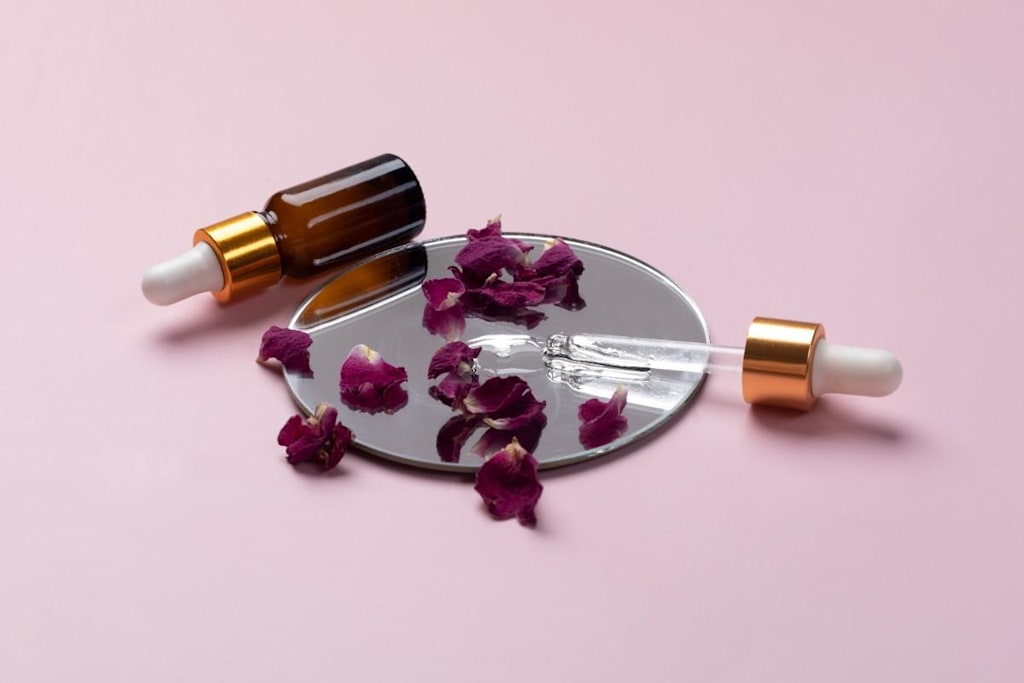
Few ingredients in skincare have earned the kind of staying power retinol has, and the retinol beauty products market reflects that durability. Valued at around 994.9 million dollars in 2025, the market is projected to reach roughly 1.73 billion dollars by 2035, growing at a steady 5.7 percent annually. Unlike trend-driven beauty categories that spike and fade, retinol's growth is built on decades of dermatological credibility, which tends to make demand more durable than whatever ingredient is currently trending on social media.
For a closer look at how this growth splits across product type, demographics, and distribution channel, a free sample of the report is available on request.
Why Dermatologists Keep Recommending It
Retinol's reputation isn't built on marketing copy, it's built on decades of clinical use. As a vitamin A derivative, it accelerates skin cell turnover and stimulates collagen production, which is why dermatologists have treated it as something close to a gold-standard active ingredient for years. That clinical credibility shows up directly in purchasing behavior: creams and lotions hold the largest product share at 45.7 percent in 2025, largely because they're the easiest format for nightly anti-aging routines, requiring no real behavior change beyond swapping one product for another.
Oils and serums are the fastest-growing format within the category, valued for delivering higher concentrations of the active ingredient more efficiently. Dermatologists frequently recommend them for more targeted concerns, like fine lines, uneven texture, or fading post-acne scarring, where a more concentrated dose actually matters.
The Side-Effect Problem Is Getting Solved
For a long time, retinol's biggest obstacle wasn't whether it worked, it was how uncomfortable getting there could be. Purging, peeling, and photosensitivity have pushed plenty of first-time users to abandon the retinol beauty products market before they ever saw real results, which has historically meant high return rates and weak repeat purchases for brands. That's starting to shift. According to Allure, encapsulated retinol formulations, lipid-encapsulated variants available in concentrations like 0.25 percent and 0.5 percent, now combine active retinol with moisturizing lipids specifically to soften the irritation curve without sacrificing efficacy.
This kind of formulation innovation matters more than it might seem, because it's expanding who can realistically use retinol at all. Sensitive-skin consumers who once avoided the ingredient entirely now have a genuine entry point, and that's meaningfully widening the addressable market rather than just refining it for existing users.
A New Generation Is Discovering Retinol Earlier
One of the more interesting shifts happening in this space is who's buying. Women still dominate end-use demand at 81.2 percent, reflecting decades of established anti-aging marketing and structured, multi-step skincare habits. But the demographic story is getting more complicated underneath that headline number. Dermatologist-led social media content has popularized "skin cycling," a structured routine that alternates retinol nights with recovery nights to reduce irritation, and it's pulling in noticeably younger users than the ingredient traditionally attracted.
Teen and young adult consumers are now entering the category earlier than previous generations did, often for acne management rather than anti-aging, supported by widespread digital skincare education. At the same time, gender-neutral and men's grooming lines are expanding retinol's reach into a demographic that's historically been underserved, which brands are treating as a genuinely underexploited growth lane rather than an afterthought.
Big Beauty Keeps Buying Into Clinical Credibility
The clearest signal that this market still has real momentum is who's spending money to compete in it. In June 2025, L'Oréal confirmed acquiring a majority stake in Medik8, a British clinical skincare brand, a move explicitly aimed at strengthening L'Oréal's premium dermocosmetics portfolio. Earlier, in January 2024, private equity firm Bridgepoint acquired RoC Skincare, a well-established retinol-focused brand, signaling that institutional investors see real, durable value in ingredient-led skincare rather than just trend-chasing brands.
North America currently leads global demand with a 45.8 percent share, worth about 455.6 million dollars in 2025, supported by high consumer awareness and strong dermatologist influence on purchasing decisions. Europe, meanwhile, is navigating a more complicated path, where strict regulatory limits on retinol concentration are forcing brands to invest in compliant next-generation delivery systems rather than simply reformulating around the edges.
What's clear is that retinol isn't coasting on reputation alone anymore. Between encapsulation technology solving its biggest usability problem, a younger generation discovering it years earlier than their parents did, and major beauty conglomerates still acquiring clinical skincare brands to deepen their retinol portfolios, this ingredient looks set to remain a foundational category rather than a fading one. The next decade will likely be defined less by whether retinol works, that's settled, and more by how gently and inclusively the industry can deliver it.
About the Creator
Enjoyed the story? Support the Creator.
Subscribe for free to receive all their stories in your feed.
Comments
There are no comments for this story
Be the first to respond and start the conversation.