
Inside the Rapid Growth of the Cross Laminated Timber Market
From green building trends to large-scale manufacturing, why CLT is becoming a major force in global construction

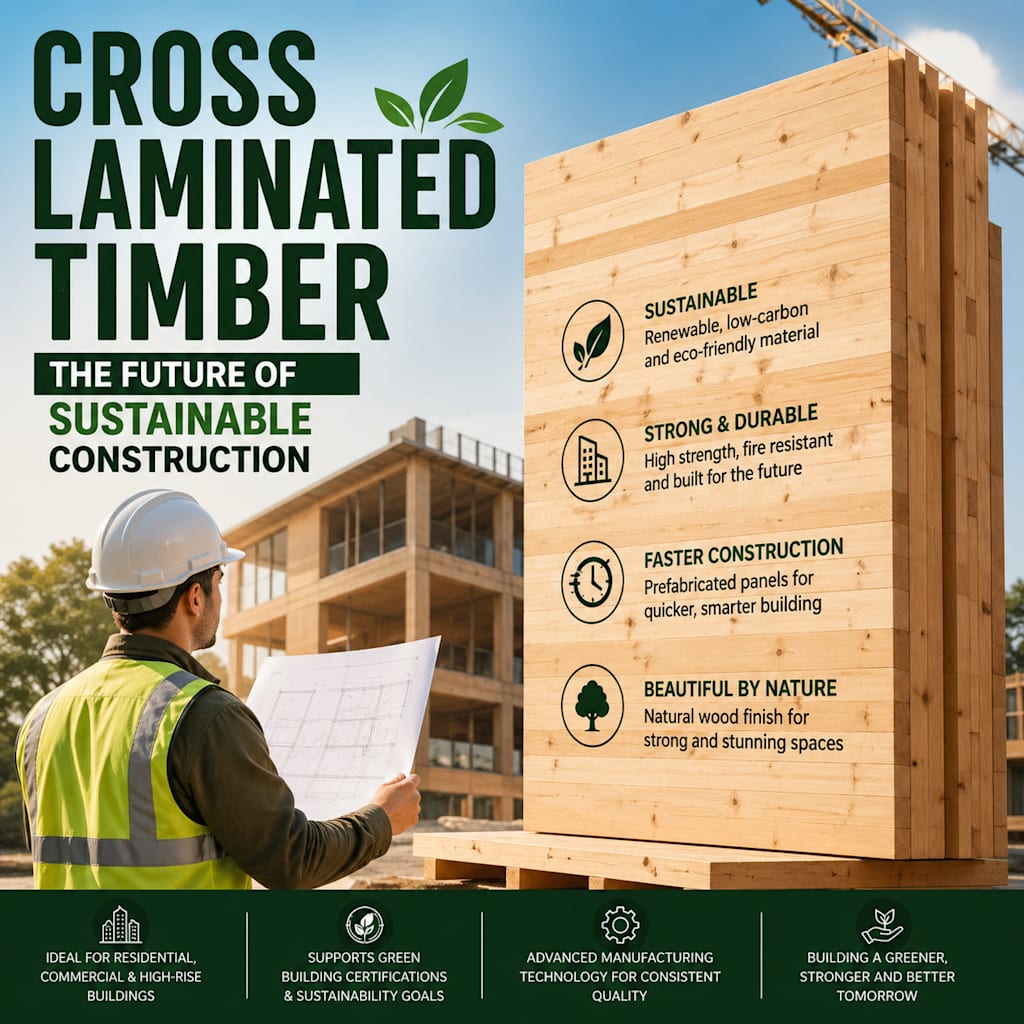
The construction industry is undergoing an architectural revolution that has quietly built up over the past decades after concrete and steel dominated the building․ One material‚ however‚ is emerging as a real contender‚ not just for its strength but for its sustainability․
Cross laminated timber (CLT)‚ an engineered wood product‚ is one of many new materials being developed for use in construction․ Currently‚ due to the environmental issues facing the planet and the need for sustainable products‚ CLT is no longer considered a niche product‚ but rather‚ it is headed toward becoming mainstream․
An Emerging Market in the Sustainability Sector
The global CLT market has been estimated to be valued at USD 1․89 billion in 2025․ By 2034‚ it would increase to USD 4․17 billion‚ showing an increase over 9 years․
This continued growth‚ however‚ is part of an effort by developers‚ architects and governments to reduce the carbon emissions associated with construction while maintaining both strength and durability․ One potential solution is cross laminated timber․
With sustainable design on the rise‚ materials like CLT are becoming a necessity‚ not just a possibility․
Advantages of Cross Laminated Timber
While superficially indistinguishable from standard wood‚ cross laminated timber is built from several advanced layers of wood․
The process involves manufacturing a series of differently oriented wood panels which are stacked and glued together with strong adhesives‚ forming cross-section sheets that give the material a greater strength and stability and reduced warping․
This has resulted in a material which combines the natural properties of timber along with the additional properties required of a material to construct houses‚ commercial and multi-story buildings․
Beyond its architectural and insulating value‚ CLT is often used for its aesthetics‚ the color and texture of wood providing warmth and character to buildings‚ interiors and furniture․
Why Demand Is Increasing Rapidly
The demand for sustainable building practices has been one of the main reasons for the rising use of cross laminated timber․
Concrete and steel are both relatively high carbon building materials‚ so using renewable building materials such as CLT can result in lower carbon emissions from construction as a whole․ Research has shown that substituting cross laminated timber for customary building materials can lead to important reductions in a building's carbon footprint․
At the same time‚ governments and regulators have encouraged green building materials‚ and building certifications and sustainability standards have pushed developers to adopt environmentally friendly practices‚ each contributing to the demand for CLT․
Faster Construction and Lower Costs
Another factor is efficiency and optimization․
Cross laminated timber can also be used to speed up construction‚ with the prefabrication of CLT panels at a separate facility typically requiring less on-site labor and construction time than other types of construction‚ which can shorten the overall construction timeline and reduce labor and operational costs․
In compressed urban settings‚ where time is of the essence‚ this advantage makes CLT more appealing․
Strong Business Case for Investment
Economic incentives for Cross laminated timber manufacturing are potentially strong․
In many cases there is sufficient scale for large manufacturing plants to be economically viable․ Under certain assumptions‚ profit margins in the industry have been estimated at between 25 and 35 percent gross and up to 20 percent net․
As with most manufacturing industries‚ the largest operating cost is raw materials․ The largest share of these costs is for lumber; the most common species are spruce‚ pine and fir․ Efficient management of these supply chains is critical for company profitability․
Examples of Cross Laminated Timber projects․
However‚ the range of applications for CLT continues to rapidly expand․
In residential properties‚ it is being used in single-family residences and apartment complexes‚ and commercial developers are increasingly using it in constructing office‚ hotel‚ and commercial buildings․ Skyscrapers are now also being designed using CLT‚ due to its strength-to-weight ratio․
The public infrastructure segment is also growing and is likely to incorporate sustainable construction‚ including schools‚ government buildings‚ and community buildings‚ and is thus a natural fit for CLT․
This variety of use cases is one of the main reasons the market continues to grow․
Innovating Industries and Expanding Globally
The cross laminated timber market is becoming more competitive as the largest manufacturers of the product continue to invest in production capacity․
Efforts are being made to increase manufacturing efficiency and quality as well as develop specialization in high-quality products for different construction uses․ New plants are being constructed worldwide‚ particularly in North America and Europe․
These developments in turn have led to new CLT plants being built in the US to support the growing mass timber construction sector‚ and also have helped the US achieve climate-related goals such as forest restoration and reductions in carbon emissions․
Challenges That Still Exist
Despite these advantages‚ cross laminated timber can present disadvantages․
One of the issues with producing plywood is the availability and cost of raw materials․ Because high quality wood is integral to its production‚ the supply chain can be disrupted․
In some areas‚ regulatory barriers and a public bias against innovative construction methods mean that conventional building materials are still favored․ However‚ this bias is gradually fading as knowledge and experience with these buildings expands․
Looking Ahead
The future looks bright for cross laminated timber․
With the continuing move of the construction industry towards more environmentally friendly practices‚ CLT is expected to play a major role in the architecture and construction of the future‚ gaining the advantages of sustainability while retaining the structural properties of construction․
Given these technology advances‚ governmental support‚ and global demand‚ the market appears poised to grow steadily over the next decade․
That makes it likely that cross laminated timber will have developed‚ by 2034‚ from a new alternative material to be adopted in modern construction‚ to a market of over USD 4 billion․
Final Thoughts
Cross laminated timber is more than a new building material: it is a symbol of a deep change in approaches to construction․
Sustainability will become a requirement however‚ and it will be up to these materials suppliers to deliver on performance with lower ecological footprint․
CLT is not simply a part of that future․ It is helping to build it․
About the Creator
Robert
Senior Market Researcher at IMARC Group, specializing in global market analysis, industry trends, and data-driven insights across diverse sectors.
Enjoyed the story? Support the Creator.
Subscribe for free to receive all their stories in your feed.
Comments
There are no comments for this story
Be the first to respond and start the conversation.