
Inside the Beauty Salon Market: Trends Driving Industry Growth
A closer look at the demand, segments, and regional shifts powering the beauty salon industry's expansion

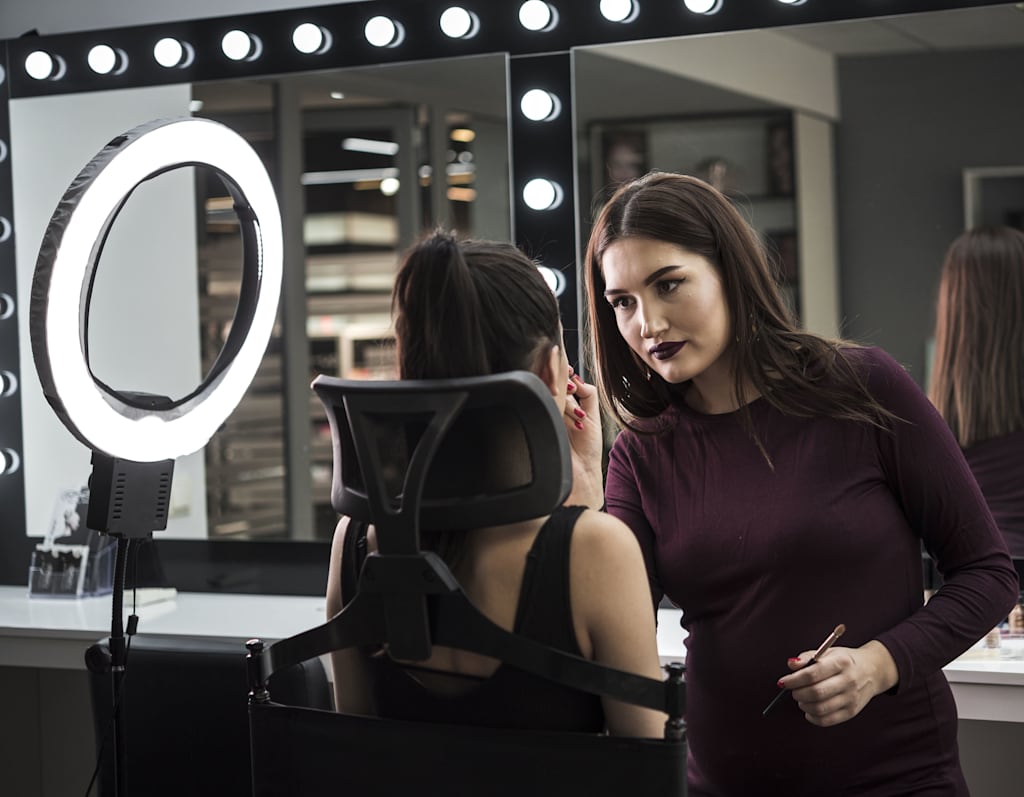
Beauty Salon Market Size: Growth Trends and Forecast to 2035
The personal care industry has evolved far beyond occasional pampering, becoming a routine part of everyday life for millions of consumers worldwide. At the center of this shift sits the beauty salon market, a sector that blends hair, skin, and nail care services into a single, accessible experience. As lifestyles change and grooming becomes a regular habit rather than a luxury, understanding the beauty salon market size and its underlying momentum offers valuable insight for industry observers, entrepreneurs, and everyday consumers alike. This article examines how the market is structured, what is driving its expansion, the challenges it faces, and where it appears to be headed over the next decade. Whether you run a salon, work in the beauty industry, or simply want to understand consumer trends, the following overview breaks down the numbers and the story behind them.
Understanding the Beauty Salon Market
A beauty salon, in its broadest sense, refers to any establishment offering professional personal care services such as haircuts, coloring, facials, manicures, pedicures, waxing, and other grooming treatments. These businesses range from independent neighborhood studios to large franchise chains, and they serve everyone from individual walk-in clients to corporate accounts that book group services for events or employee wellness programs.
What makes this sector interesting is its dual nature. On one hand, it is deeply personal and local, shaped by community relationships and word-of-mouth reputation. On the other, it is increasingly influenced by global trends, technology platforms, and large multinational beauty brands that set standards for product quality and service delivery.
Beauty Salon Market Size and Growth Trajectory
According to industry research published by Market.us, the global beauty salon market was valued at approximately USD 198.0 billion in 2025 and is projected to reach around USD 443.9 billion by 2035, reflecting a compound annual growth rate of roughly 8.4 percent between 2026 and 2035. That trajectory suggests the market could more than double in size within a single decade, a notable pace for an industry often perceived as mature.
This growth is not happening evenly across all service categories or demographics. Hair care services currently account for the largest portion of revenue, holding more than half of the total market share, largely because haircuts and color treatments require repeat visits and form the backbone of most salon business models. Skin care and nail care services follow, both benefiting from rising interest in self-care routines and the visual appeal these treatments generate on social platforms.
Service and Gender Segmentation Insights
Hair, Skin, and Nail Care Services
Hair care remains the most frequently used salon service globally, encompassing cuts, coloring, and chemical treatments. Its dominant share is largely a function of frequency: clients return for hair maintenance far more often than for most other treatments. Skin care has emerged as a fast-growing complement, fueled by consumer interest in facial therapies, anti-aging treatments, and increasingly, medical-grade skincare offered in salon settings. Nail care continues to hold a loyal following, particularly given how visible and shareable manicure and nail-art trends have become online. Beyond these core categories, services like waxing, threading, and massage are often bundled into packages, helping salons increase the value of each visit.
Female, Male, and Unisex Demand Patterns
Female clients have historically represented the largest share of salon revenue, a pattern that holds true today given the broader range of services women typically consume. However, male grooming has become one of the fastest-growing segments, with more men visiting salons regularly and many booking multiple services in a single appointment. This shift has encouraged many salons to introduce dedicated grooming menus for beard shaping, scalp treatments, and skincare aimed at male clients. Unisex salon formats are also gaining ground, particularly in urban areas where younger consumers favor inclusive spaces that serve all clients without gendered pricing or separate service menus.
Drivers Fueling Market Growth
Several forces are pushing the beauty salon market forward. Rising disposable income across both emerging and developed economies has made professional grooming more attainable for a wider range of consumers. Social media has also played an outsized role, with visual platforms shaping beauty trends and inspiring consumers to seek out salon experiences they see online. Urbanization adds another layer of momentum, as more people move into cities with greater access to organized salon chains and premium service options.
Restraints and Challenges
Growth in this sector is not without friction. Independent and freelance beauty professionals, often operating with lower overhead, continue to compete with established salons on price, putting pressure on traditional businesses to justify their value through service quality and experience. At the same time, many regions face a genuine shortage of trained, certified beauty professionals, and high staff turnover can disrupt service consistency. Salon owners are increasingly having to balance competitive pricing with investment in staff training and retention to remain viable.
Emerging Trends Shaping the Industry
Several developments are reshaping how salons operate. Artificial intelligence is being used for skin analysis and personalized treatment recommendations, helping salons offer more tailored advice. Consumer demand for organic and clean-label beauty products is encouraging salons to revisit their service menus with safer, more sustainable ingredients. Subscription and membership-based pricing models are also gaining traction, giving salons more predictable revenue while encouraging clients to visit more often. Meanwhile, digital booking platforms and contactless payment systems continue to reduce no-shows and streamline daily operations, and sustainability practices, from eco-friendly products to waste reduction, are becoming a meaningful factor in client loyalty.
Regional Outlook
Asia Pacific currently leads global demand, supported by a large, youthful population and a strong cultural emphasis on grooming across markets like China, Japan, South Korea, and India. North America remains a mature, high-value market, driven by steady consumer spending and a well-established network of salon chains, alongside growing demand for male grooming services. Europe maintains a stable market shaped by premium consumer expectations and rising interest in organic treatments, while Latin America and the Middle East and Africa are emerging as promising growth regions, supported by expanding middle-class populations and rising tourism-driven demand for luxury grooming services.
Readers interested in a deeper breakdown of regional figures, service segments, and competitive positioning can review the full beauty salon market report, which also offers a sample copy for those who want a closer look at the underlying data and methodology.
Future Outlook
Looking ahead, the beauty salon market appears positioned for steady, technology-influenced growth rather than a dramatic transformation. Personalization, inclusivity, and sustainability are likely to remain central themes, while salons that successfully blend digital convenience with genuine in-person expertise stand to benefit most. The ongoing shift in male grooming habits and the rise of unisex salon concepts suggest that the market's demographic base will continue to broaden over the coming years.
Conclusion
The beauty salon market size reflects more than just industry statistics; it mirrors a broader cultural shift toward viewing personal grooming as a routine part of life rather than an occasional indulgence. With steady growth projected through 2035, the sector is being reshaped by changing consumer demographics, evolving service expectations, and a wave of technology adoption that is improving both efficiency and personalization. While challenges around workforce shortages and price competition remain real, the overall trajectory points to a resilient and expanding industry. For anyone tracking consumer behavior or considering opportunities within personal care services, the beauty salon market offers a clear example of how everyday habits can drive substantial, long-term economic growth.
About the Creator
Hazel Williams
Building, learning, and growing every day.
Enjoyed the story? Support the Creator.
Subscribe for free to receive all their stories in your feed.
Comments
There are no comments for this story
Be the first to respond and start the conversation.