
Inside the $23 Billion Tobacco Packaging Market
Key trends, growth drivers, and challenges shaping the industry through 2034

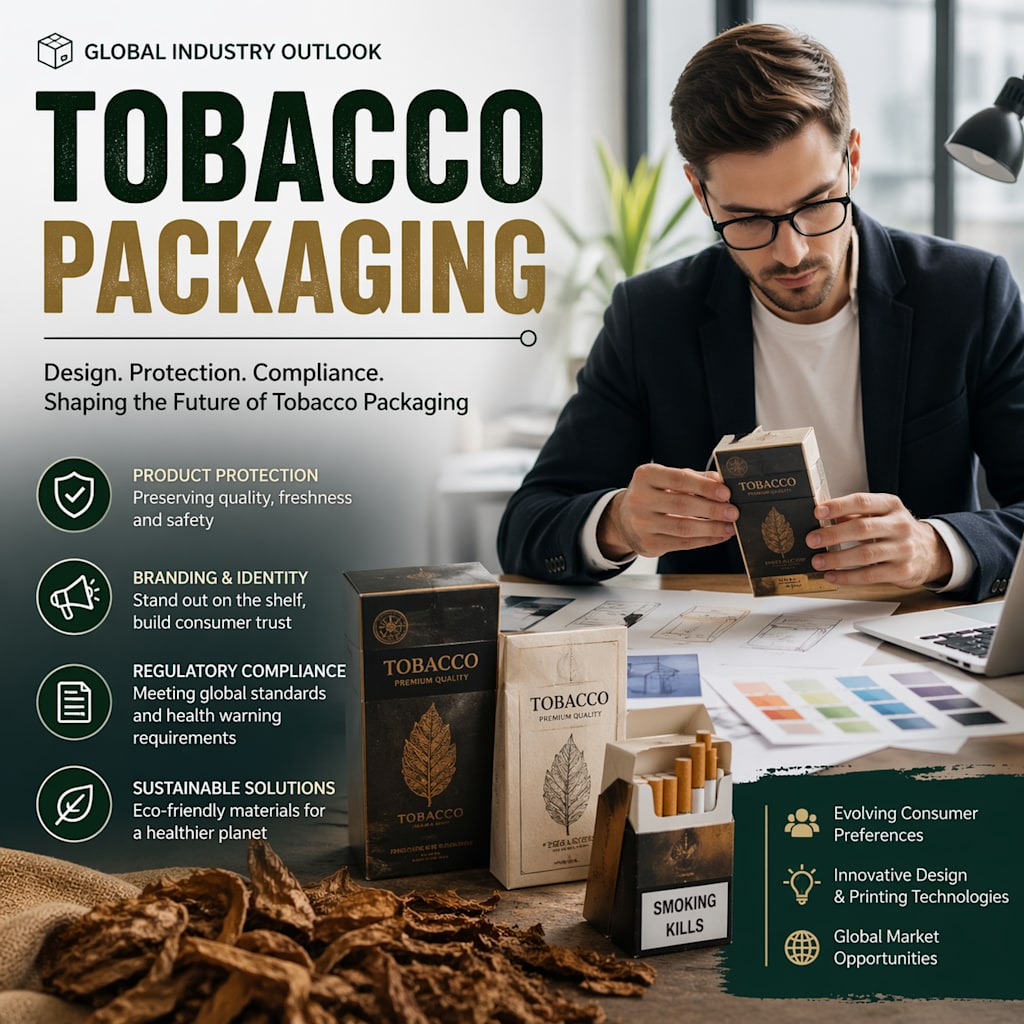
Tobacco packaging is not simply a box‚ a wrapper‚ or a container for tobacco products‚ but it plays an important role in the world of the tobacco trade as a whole․
But packaging does more than simply hold the product․ It can tell the consumer about the goods‚ advise them of health hazards‚ meet government regulations‚ and help build a brand․
With changing tobacco use patterns and increasing government regulation‚ a few changes to tobacco product packaging have also occurred․
The Market is Growing‚ but at a Slower Pace
The market for global tobacco packaging was valued at USD 19 billion in 2025‚ with an anticipated value of USD 23․8 billion in 2034․
That reflects a modest‚ but consistent‚ annual growth rate of approximately 2․44% from 2026 to 2034․
The market is influenced by both factors that continue to promote demand‚ such as continuing tobacco use‚ and factors which continue to restrain demand such as an increasing number of regulations and growing knowledge of the harms․
This leaves the industry in a constantly evolving state․
What Tobacco Packaging Really Does
At its most basic‚ tobacco packaging serves several functions․
It also protects the contents from moisture‚ light‚ and physical damage for products such as cigarettes and cigars to retain their quality and freshness‚ and enables the packaging to convey information․
It can also contain marketing‚ design features and increasingly health warnings explaining the health risks of tobacco use․
Packaging is often the only legal way for tobacco companies to differentiate their products from each other as advertising is increasingly restricted․
Implementing Regulations and Government Policies
Government regulation is among the strongest influences on this market․
A number of countries have tighter requirements for tobacco product packaging‚ including:
- Large graphic health warnings
- Clear textual health risk messages
- Some countries have standardized packaging formats․
- Limitations on branding and promotional content
These steps are intended to discourage smoking and to raise awareness of its risks․
They reduce opportunities for tobacco marketing and increase the importance of packaging as the vehicle for ensuring compliance with the requirements of legislation․
Branding Still Matters‚ Even Within Restrictions
Regulatory pressure‚ however‚ has not diminished the role of branding․
Specific attention has been directed at pack design as a vehicle for differentiation within bounds set by regulation‚ such as through variation in color‚ texture‚ structure‚ or surface finish․
Packaging is often the first point of contact between the product and consumer․ Subtle design choices can create a sense of quality‚ identity‚ or familiarity․
However‚ in the customary retail environment‚ where mass-media advertising was limited‚ packaging remained one of the most powerful branding tools․
Changing Consumer Preferences
Consumer preferences have also driven design choices for tobacco packaging․
Today‚ consumers are more concerned about:
- Convenience and portability
- Easy to open or reseal
- Product freshness over time
- Overall user experience
Packaging that is functional and easy for consumers to use may influence purchasing decisions․
Additionally‚ growing awareness about environmental concerns is expected to increase demand for sustainable packaging․
The Shift Toward Sustainable Materials
Increasingly‚ sustainability is becoming a concern for tobacco packaging firms․
As a result of consumer and governmental demand for environmentally friendly products‚ biodegradable‚ renewable‚ and non-toxic additives emerged․
- Recyclable paper-based materials
- Biodegradable packaging solutions
- Reduced plastic usage
The most common forms of paper-based packaging are paper boxes‚ which are highly recyclable‚ and have less environmental impact than plastic․
At the same time‚ advances in material science are allowing for stronger and moisture-proof paper packaging․
Why Secondary Packaging Is Becoming Important
Tobacco packaging can be classified into primary‚ secondary‚ and bulk packages‚ with secondary packaging being the most important․
It provides space for regulatory statements‚ branding‚ and product information‚ and acts to protect the primary packaging from damage during transport and storage․
In retail‚ secondary packaging can help products stand out and appear more attractive on shelves․
With such regulation and minimal branding potential‚ this intermediate layer of packaging has never been more important․
Regional Insights: Where Demand Is Strongest
Globally‚ demand for tobacco packaging differs widely․
Asia-Pacific had the largest sales share in the global market‚ attributed to the large population size and high prevalence of tobacco use in the countries in this region․
However‚ in countries like North America and Europe with stricter regulation and declining smoking rates‚ smoking demand is less sensitive due to existing tobacco markets․
Other regions‚ such as Latin America and the Middle East‚ have been only gradually increasing due to evolving patterns of use and regulation․
Industry Competition and Innovation
The market for tobacco packaging is competitive‚ and companies are therefore constantly looking for innovations․
Some manufacturers are using advanced printing technologies․
- Rotogravure printing
- Flexographic printing
- UV offset printing
The technologies ease precise‚ high-quality‚ and compliant packaging designs․
At the same time‚ companies are experimenting with new formats‚ including:
- Slide-opening packs
- Curved-edge designs
- Limited-edition packaging
These innovations keep consumer interest despite regulatory restrictions․
Challenges Facing the Industry
Despite this consistent demand from consumers‚ challenges still exist․
However‚ in many parts of the world‚ the consumption of tobacco is in decline due to public health campaigns and anti-smoking legislation‚ a factor affecting the long-term viability of packaging․
In addition‚ regulations could limit design flexibility and make it difficult for companies to differentiate themselves․
Pressure is also being felt to include sustainability as part of the interaction‚ replacing plastic-based materials with more sustainable alternatives․
Looking Ahead
The future of tobacco packaging is likely to be shaped by regulation‚ innovation and changing consumer expectations․
While growth may be moderate‚ the industry will continue to evolve in response to:
- Stricter global regulations
- Advances in sustainable materials
- New packaging technologies
- Shifting consumer preferences
Packaging will continue to be an important issue for the strength and resiliency of the tobacco industry‚ not only as a container but as a form of communication․
Final Thoughts
Tobacco packaging lies at the intersection of design‚ regulation‚ and consumer behavior․
The market is a miniaturized version of the tobacco industry as a whole‚ balancing demand for product with public responsibility‚ and innovation with regulation․
As the international marketplace keeps developing‚ packaging will evolve with it and even the most basic of products can change for the better․
About the Creator
Robert
Senior Market Researcher at IMARC Group, specializing in global market analysis, industry trends, and data-driven insights across diverse sectors.
Enjoyed the story? Support the Creator.
Subscribe for free to receive all their stories in your feed.
Comments
There are no comments for this story
Be the first to respond and start the conversation.