
Indonesia Plastic Packaging Market: Sustainability Trends, Material Innovation & Growth Outlook
How sustainability initiatives, e-commerce expansion, and growing consumer goods consumption are driving innovation and growth in the Indonesia plastic packaging market.

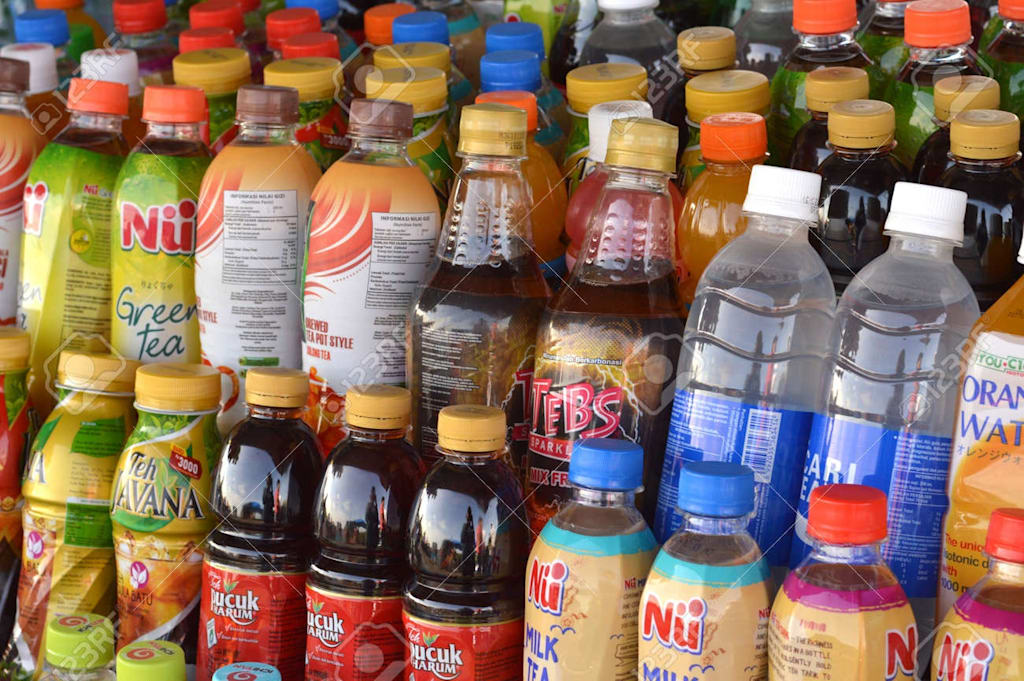
According to IMARC Group's latest research publication, Indonesia plastic packaging market size reached USD 4.8 Billion in 2025. Looking forward, IMARC Group expects the market to reach USD 6.1 Billion by 2034, exhibiting a growth rate (CAGR) of 2.65% during 2026-2034.
How AI is Reshaping the Future of Indonesia Plastic Packaging Market
- AI is helping Indonesian packaging firms optimize production lines and cut waste through smart predictive tools, boosting efficiency while aligning with government green certification incentives for over 100 companies.
- Companies are using AI for better demand forecasting and supply chain tweaks across Indonesia’s islands, making plastic packaging more sustainable and supporting NPAP goals like reducing single-use plastics.
- With AI driving recycled material innovation and compliance, firms gain a real edge in eco-friendly designs, backed by tax breaks and a 20% rise in recycled plastic use
Indonesia Plastic Packaging Market Trends & Drivers:
The Indonesia plastic packaging market is experiencing robust expansion driven by rapid urbanization and a growing middle class with rising disposable incomes. Consumers are increasingly opting for convenient, ready-to-eat foods and beverages, boosting demand for durable and lightweight plastic solutions that ensure product safety and extended shelf life. Flexible packaging formats are gaining prominence due to their versatility in meeting diverse needs across food, personal care, and household sectors. This shift supports efficient distribution in both urban and rural areas while aligning with modern retail formats. Manufacturers are innovating to balance performance with consumer preferences for practical and protective packaging options.
E-commerce growth is a major driver reshaping the Indonesia plastic packaging landscape, as online shopping surges and requires reliable materials for last-mile delivery. Protective films, pouches, and mailers that withstand transit across islands are in high demand, emphasizing lightweight designs that reduce costs and improve logistics efficiency. Brands are adopting innovative formats to enhance product visibility and security during shipping. This trend encourages the development of tamper-evident and customizable solutions tailored to digital commerce platforms. Overall, the expansion of e-commerce is transforming packaging strategies to prioritize convenience and reliability for end consumers.
Sustainability initiatives and regulatory frameworks are influencing trends in the Indonesia plastic packaging market, pushing companies toward recycled and eco-friendly materials. Efforts to address plastic waste include greater use of recycled PET and innovations in design for better recyclability. Extended producer responsibility policies are encouraging collaboration across the value chain to minimize environmental impact while maintaining functionality. Consumers and brands alike are focusing on solutions that support a circular economy without compromising on quality or cost-effectiveness. These drivers are fostering advancements in biodegradable options and responsible manufacturing practices across the industry.
Indonesia Plastic Packaging Industry Segmentation:
The report has segmented the market into the following categories:
Packaging Type Insights:
- Flexible Plastic Packaging
- Rigid Plastic Packaging
Product Type Insights:
- Bottles and Jars
- Trays and Containers
- Pouches and Bags
- Films and Wraps
- Others
End User Insights:
- Food
- Beverage
- Healthcare
- Personal Care and Household
- Others
Regional Insights:
- Java
- Sumatra
- Kalimantan
- Sulawesi
- Others
Competitive Landscape:
The competitive landscape of the industry has also been examined along with the profiles of the key players.
Recent News and Developments in Indonesia Plastic Packaging Market
- April 2026: Indonesia advances circular economy initiatives with expanded Extended Producer Responsibility (EPR) frameworks, requiring producers to manage plastic packaging waste through mandatory recycling targets, boosting collection and processing infrastructure nationwide.
- May 2026: Biodegradable material adoption surges as startups like Evoware and Greenhope scale production of cassava and seaweed-based films, replacing conventional plastics in food packaging with fully compostable alternatives that maintain barrier properties.
- March 2026: Manufacturers invest in automation and mono-material designs, shifting to recyclable PE and PP films for flexible packaging, improving sorting efficiency and enabling closed-loop recycling systems across key production hubs.
Note: If you require specific details, data, or insights that are not currently included in the scope of this report, we are happy to accommodate your request. As part of our customization service, we will gather and provide the additional information you need, tailored to your specific requirements. Please let us know your exact needs, and we will ensure the report is updated accordingly to meet your expectations.
About the Creator
Fatimah
Market research writer at IMARC Group, turning data into engaging stories. Passionate about trends, insights & real-world impact. Join me on Vocal!
Enjoyed the story? Support the Creator.
Subscribe for free to receive all their stories in your feed.
Comments
There are no comments for this story
Be the first to respond and start the conversation.