
Indonesia Handicrafts Market: Cultural Heritage, Artisan Innovation & Growth Outlook
How cultural heritage preservation, tourism growth, and rising global demand for artisanal products are transforming the Indonesia handicrafts market.

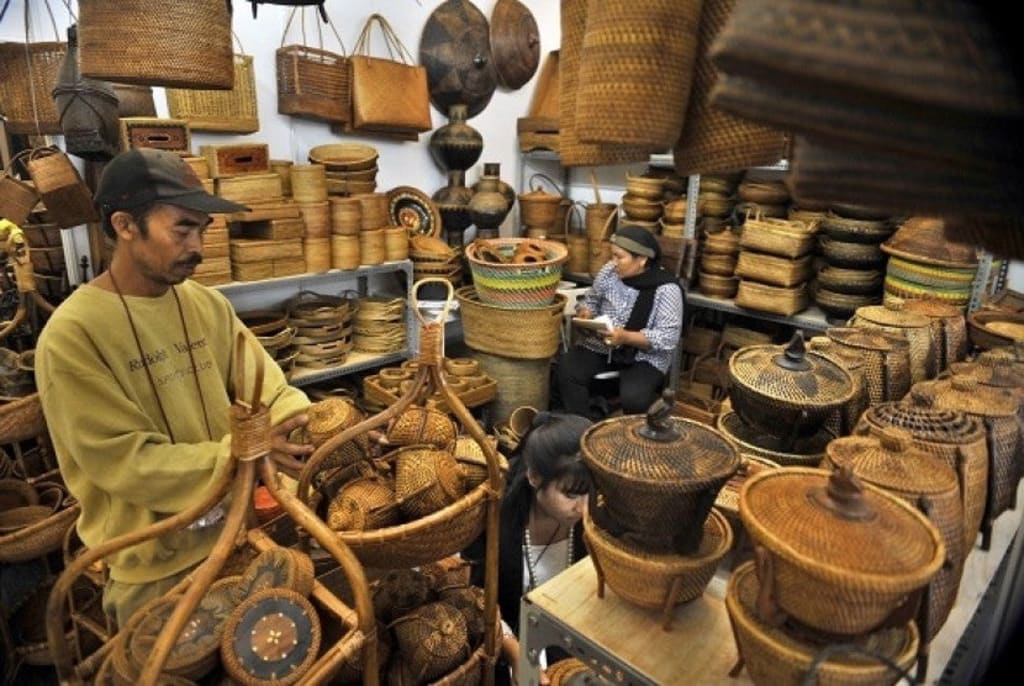
According to IMARC Group's latest research publication, Indonesia handicrafts market size reached USD 11.9 Billion in 2025. Looking forward, the market is projected to reach USD 26.7 Billion by 2034, exhibiting a growth rate (CAGR) of 9.11% during 2026-2034.
How AI is Reshaping the Future of Indonesia Handicrafts Market
- AI helps Indonesian artisans create personalized designs faster and reach global buyers through smart e-commerce tools, boosting sales for thousands of small handicraft businesses.
- Government schemes supporting MSMEs and the creative economy team up with AI to improve inventory, demand prediction, and efficiency in handicraft production.
- Local companies are piloting AI for better marketing and operations, helping traditional Indonesian crafts compete while preserving unique cultural skills.
Indonesia Handicrafts Trends & Drivers:
The Indonesian handicrafts market thrives on its deep cultural heritage, where artisans blend traditional techniques with modern designs to create unique products that appeal to global consumers seeking authenticity and cultural connection. Rising interest in handmade items drives demand as buyers value the story and craftsmanship behind each piece, fostering innovation in materials and styles while preserving ethnic traditions from regions like Bali and Java.
Sustainability emerges as a key driver, with growing preference for eco-friendly handicrafts made from natural resources such as bamboo, rattan, and wood. Consumers worldwide prioritize environmentally conscious products, encouraging Indonesian producers to adopt green practices and ethical sourcing that enhance market appeal in international arenas. This shift supports long-term industry resilience and attracts conscious buyers.
Tourism and digital platforms significantly boost the sector by connecting artisans directly with buyers through e-commerce and exhibitions. Increased global exposure and government efforts to promote creative industries expand export opportunities, while rising domestic and international appreciation for local crafts stimulates production and economic contributions from small-scale makers.
Indonesia Handicrafts Industry Segmentation:
The report has segmented the market into the following categories:
Product Type Insights:
- Woodware
- Artmetal Ware
- Handprinted Textiles and Scarves
- Embroidered and Crocheted Goods
- Zari and Zari Goods
- Imitation Jewelry
- Sculptures
- Pottery and Glass Wares
- Attars and Agarbattis
- Others
Distribution Channel Insights:
- Mass Retailers
- Departmental Stores
- Independent Retailers
- Specialty Stores
- Online Stores
- Others
End Use Insights:
- Residential
- Commercial
Regional Insights:
- Java
- Sumatra
- Kalimantan
- Sulawesi
- Others
Competitive Landscape:
The competitive landscape of the industry has also been examined along with the profiles of the key players.
Recent News and Developments in Indonesia Handicrafts Market
- February 2025: INACRAFT trade fair at Jakarta International Convention Centre showcased innovations in batik, rattan, bamboo, and leather goods, drawing 100,000 visitors and 1,000 international buyers, generating retail transactions of USD 6.25 million and commercial contracts worth USD 1.5 million.
- October 2025: INACRAFT event with 843 booths across 10 zones highlighted youthpreneurs and sustainability, featuring themes of “Craft, Culture, Future” that integrated modern designs with traditional handicrafts like tenun and jewelry to boost global appeal.
- February 2026: Asia Pacific Rayon introduced sustainable lyocell fabric to Indonesia’s batik sector, offering high moisture absorption and superior dye affinity for sharper motifs and better colour fastness, combining ancient techniques with eco-friendly tree-derived materials.
Note: If you require specific details, data, or insights that are not currently included in the scope of this report, we are happy to accommodate your request. As part of our customization service, we will gather and provide the additional information you need, tailored to your specific requirements. Please let us know your exact needs, and we will ensure the report is updated accordingly to meet your expectations.
About the Creator
Fatimah
Market research writer at IMARC Group, turning data into engaging stories. Passionate about trends, insights & real-world impact. Join me on Vocal!
Enjoyed the story? Support the Creator.
Subscribe for free to receive all their stories in your feed.
Comments
There are no comments for this story
Be the first to respond and start the conversation.