
India Small Hydropower Market Outlook 2026-2034: Trends, Growth, Industry Analysis and Forecast
A high-growth renewable energy sector driven by government incentives, rural electrification needs, and immense untapped run-of-the-river potential across hilly regions.

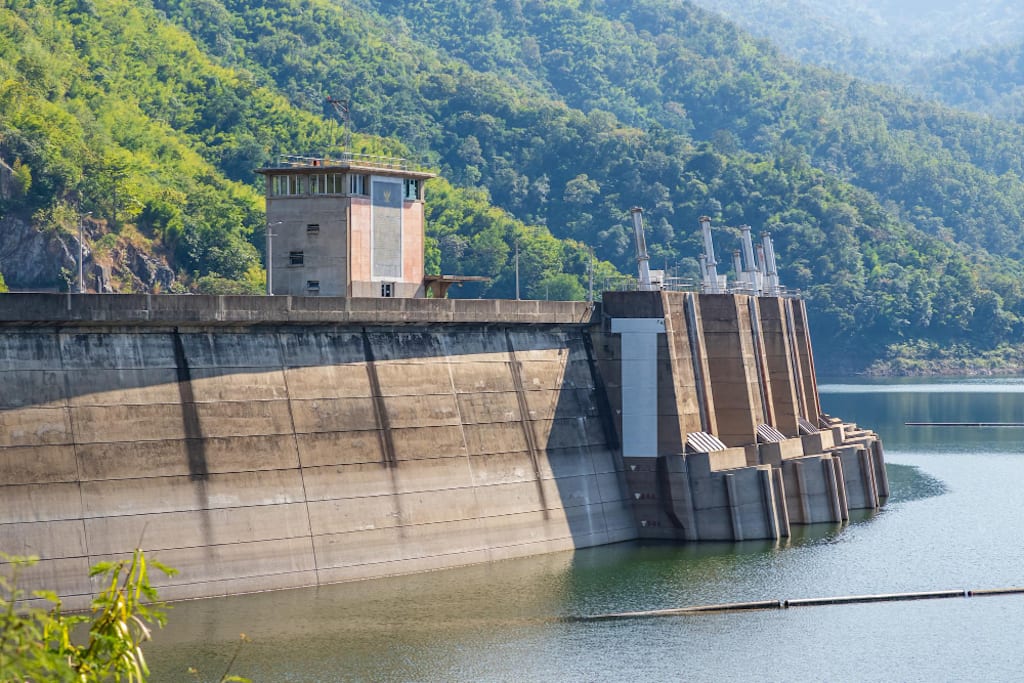
India's Small Hydropower Market Is Gaining Steady and Sustained Momentum
India's small hydropower market stands as one of South Asia's most strategically significant decentralized renewable energy segments, anchored by the country's abundant untapped water resources across hilly and riverine terrain, favorable government policy frameworks, and growing emphasis on clean energy solutions for rural and remote electrification spanning up to 1 MW and 1–10 MW capacity installations across turbine, generator, electric infrastructure, and intake valve components. The market was valued at USD 131.06 Million in 2025 and is projected to reach USD 204.85 Million by 2034, growing at a compound annual growth rate (CAGR) of 5.09% during 2026–2034.
The growth is driven by supportive government financial incentives and revised regulatory frameworks lowering project development barriers, India's estimated 21,133 MW of untapped small hydropower potential across more than 7,133 identified sites with less than 25% currently utilized, and rising electricity demand in rural and remote areas where small hydropower provides stable and dispatchable power generation superior to intermittent renewable alternatives.
India's small hydropower sector is benefiting from renewed Ministry of New and Renewable Energy attention, with the ministry preparing to revive the small hydropower scheme targeting 1.5 GW capacity addition with proposed funding of INR 2,500 crore, while focus regions including Arunachal Pradesh, Himachal Pradesh, Uttarakhand, and Ladakh offer optimal terrain and water resource conditions for accelerated project deployment. Technological advancements in turbine efficiency, digital monitoring systems, and grid integration capabilities are further enhancing operational performance and long-term asset reliability across existing and new installations.
In February 2025, the Arunachal Pradesh government reviewed its small hydropower initiatives, allocating 35 projects totaling 570.75 MW with an expected investment of INR 7,000 crore and potential creation of 7,500 jobs. In May 2025, the Ministry of New and Renewable Energy issued revised guidelines for small hydro power schemes simplifying procedures and addressing developer challenges, mandating projects attain a minimum of 80% of expected generation to qualify for full Central Financial Assistance with a 12-month grace period incorporated for unexpected delays.
Market Snapshot
• Market Size (2025): USD 131.06 Million
• Forecast Value (2034): USD 204.85 Million
• CAGR (2026–2034): 5.09%
• Leading Capacity Segment: 1–10 MW (58% share)
• Leading Component: Turbine (31% share)
• Leading Region: South India (35% share)
• Segments Covered: Capacity (Up to 1 MW, 1–10 MW), Component (Turbine, Generator, Electric Infrastructure, Intake Valves and Penstock, Others), and Region across North, South, East, and West India
Why Is the India Small Hydropower Market Growing?
Government Policy Support and Financial Incentives:
Government support remains the most decisive driver of India's small hydropower market, with comprehensive policies, financial incentives, and streamlined regulatory frameworks actively encouraging project development across public and private sector participants. Capital subsidies for installations within the 1 MW to 25 MW range improve project feasibility and attractiveness for developers, while tax benefits, reduced duties, and faster approval processes lower administrative barriers to project entry.
In May 2025, the Ministry of New and Renewable Energy issued revised small hydro power scheme guidelines simplifying procedures, mandating minimum 80% generation attainment for full Central Financial Assistance qualification, and incorporating a 12-month grace period to accommodate unexpected project delays, collectively improving financial predictability and investor confidence across the sector. State-specific models in Himachal Pradesh, Karnataka, and northeastern states are further accelerating deployment through streamlined approvals and localized stakeholder engagement.
Abundant Untapped Hydropower Potential Across Hilly Regions:
India holds approximately 21,133 MW of estimated untapped small hydropower potential across more than 7,133 identified sites, with less than 25% of this capacity currently utilized, representing one of the most compelling underdeveloped renewable energy resource bases in Asia. Significant potential is concentrated across hilly and riverine states including Arunachal Pradesh, Himachal Pradesh, Uttarakhand, and Ladakh, while several plains regions also offer considerable development opportunities.
In February 2025, the Arunachal Pradesh government allocated 35 small hydropower projects totaling 570.75 MW with expected investment of INR 7,000 crore and potential creation of 7,500 jobs, exemplifying how regional governments are increasingly mobilizing resources to harness local hydropower potential in support of national energy security, rural electrification, and sustainable development objectives.
Rising Demand for Decentralized Rural Electrification Solutions:
Small hydropower projects are playing an increasingly critical role in meeting electricity needs in remote and rural areas where grid connectivity remains limited or unreliable, offering stable and dispatchable power generation that provides greater reliability compared with intermittent solar and wind alternatives. Beyond energy generation, small hydropower supports broader local development by enabling infrastructure improvements including roads, bridges, and transmission lines, and by creating employment opportunities that help reduce rural-to-urban migration in hilly and agricultural communities.
Its scalable design, low land impact, and minimal environmental footprint make small hydropower well-suited for powering irrigation systems, water treatment facilities, and small enterprises across remote agricultural and hilly regions where alternative clean energy solutions face significant deployment constraints.
What Are the Latest Emerging Trends in India's Small Hydropower Market?
Shift Toward Modernization and Digital Upgradation of Existing Plants:
India is placing growing emphasis on modernizing existing small hydropower facilities to improve operational efficiency and long-term asset reliability, with many older plants operating with aging turbines and worn infrastructure prompting developers to undertake systematic refurbishment initiatives.
These efforts typically include upgrading electromechanical equipment, optimizing water flow management, and integrating digital monitoring and control systems that extend asset life, enhance performance, and lower operating expenses across the existing installed base. The growing focus on refurbishment and repowering is creating meaningful market opportunities by improving the productivity and sustainability of India's small hydropower fleet without the land acquisition complexity, environmental approvals, and construction timelines associated with new greenfield project development.
Integration of Climate-Resilient Infrastructure Solutions:
The industry is increasingly prioritizing climate-resilient infrastructure to mitigate operational challenges arising from changing hydrological conditions, with fluctuations in monsoon patterns and inconsistent river flows encouraging developers to adopt adaptive engineering approaches including flexible turbine designs, strengthened intake systems, and improved sediment control solutions.
Greater use of hydrological modeling during the planning stage is enabling projects to account for multiple climate scenarios, supporting more robust plant design and stable long-term operations. This shift toward climate-adaptive engineering is improving long-term reliability, reducing risk exposure, and enhancing the sustainability of hydropower assets in mountainous and riverine terrains where weather extremities including floods and landslides historically posed significant operational uncertainties for developers and investors.
Emergence of State-Specific Small Hydropower Development Policies:
States are increasingly developing tailored policies that reflect regional resource profiles and governance approaches, creating diverse but uniformly supportive investment environments for small hydropower project development. In August 2024, Tamil Nadu released its Small Hydel Policy permitting private entities to participate in projects ranging from 100 kW to 10 MW, offering incentives including electricity duty exemptions and stamp duty concessions that substantially improve project economics for private developers.
Himachal Pradesh follows a consent-based model involving local stakeholders for smooth land acquisition, while Karnataka leverages public-private partnerships for rapid capacity growth, and South India's regional authorities are additionally exploring AI-driven systems for load forecasting and water flow optimization to enhance operational efficiency and maintain grid stability across their small hydropower portfolios.
What Opportunities Lie Ahead for India's Small Hydropower Market?
India's small hydropower market is poised for sustained and accelerated growth through 2034, supported by the Ministry of New and Renewable Energy's planned revival of the small hydropower scheme targeting 1.5 GW capacity addition with INR 2,500 crore in proposed funding, deepening state-level policy frameworks creating favorable investment environments across northern and northeastern resource-rich states, technological innovation in turbine efficiency and digital monitoring enhancing project returns and operational predictability, and rising national commitment to decentralized renewable energy solutions for rural and remote electrification. The market is projected to reach USD 204.85 Million by 2034, driven by harnessing India's vast untapped 21,133 MW potential across identified sites and modernizing the existing installed base through refurbishment and repowering programs.
Companies and investors that develop advanced turbine technologies suited to India's diverse head and flow conditions, build capabilities in digital monitoring and climate-resilient infrastructure solutions, forge strategic partnerships with state nodal agencies in Arunachal Pradesh, Himachal Pradesh, Uttarakhand, and Karnataka for project pipeline access, and invest in modernization and refurbishment services targeting India's aging small hydropower fleet are well-positioned to outperform in India's evolving small hydropower landscape through 2034.
How Is India's Small Hydropower Market Segmented?
Capacity Insights:
• Up to 1 MW
• 1–10 MW
The 1–10 MW segment dominates with a 58% share in 2025, driven by superior cost efficiency per kilowatt, higher head utilization, and greater installed capacity potential compared to sub-1 MW installations. Projects in this range attract substantial private sector investment due to favorable returns, established financing mechanisms, and state nodal agency focus on grid-connected projects within this capacity band supported by capital subsidies improving feasibility and developer attractiveness.
The up to 1 MW segment serves decentralized off-grid and micro-grid electrification applications in remote communities where terrain and distance constraints make grid connection economically unviable, with government support for sub-megawatt installations providing an important complementary role in India's rural electrification objectives alongside the commercially dominant 1–10 MW segment.
Component Insights:
• Turbine
• Generator
• Electric Infrastructure
• Intake Valves and Penstock
• Others
Turbines lead with a 31% share in 2025, representing the core electromechanical equipment converting the kinetic energy of flowing water into mechanical power for electricity generation, with segment leadership reflecting the critical role of turbine technology in determining plant efficiency, capacity utilization, and long-term operational performance.
In September 2024, BHEL announced a major contract to supply turbine equipment for multiple hydroelectric projects, reinforcing its position as a key supplier to India's small-to-mid-scale hydro market, while international players are expanding localized production capabilities and introducing advanced designs including variable-flow systems and fish-friendly turbines supporting modernization initiatives.
Region Insights:
• North India
• South India
• East India
• West India
South India leads with a 35% share in 2025, benefiting from favorable terrain across the Western Ghats, established hydropower infrastructure, and proactive state-level policies in Karnataka and Tamil Nadu, with diversified river systems including the Bhavani, Kundah, and Moyar rivers providing consistent water resources for run-of-river installations across the region's extensive small hydropower project pipeline.
North India represents a strategically critical growth region anchored by Himachal Pradesh's consent-based stakeholder model and Uttarakhand's abundant mountain water resources, while the northeastern states led by Arunachal Pradesh's 570.75 MW project allocation announced in February 2025 are emerging as the most significant long-term capacity expansion frontier for India's small hydropower sector through 2034.
India Small Hydropower Market Key Players
The report offers an in-depth examination of the competitive landscape, including market structure, key player positioning, leading strategies for success, a competitive dashboard, and a company evaluation quadrant.
The market exhibits moderate competitive intensity with public sector undertakings competing alongside specialized equipment manufacturers and regional project developers, with competition centered on cost efficiency through standardized and pre-engineered solutions, expertise in digital upgrades and turbine retrofits, and strategic collaboration with state agencies and utilities playing an important role in securing project awards and long-term maintenance contracts.
India Small Hydropower Market Recent Developments
May 2025: The Ministry of New and Renewable Energy issued revised guidelines for small hydro power schemes simplifying procedures and addressing ongoing developer challenges, mandating projects attain a minimum of 80% of expected generation to qualify for full Central Financial Assistance, with a 12-month grace period incorporated to address unexpected delays and improve long-term project viability and investor confidence.
March 2025: The 100 MW UHL-III Hydropower Project in Himachal Pradesh achieved full capacity, marking a significant milestone in the state's renewable energy expansion, with the project expected to generate 392 million units of electricity annually and bring in an estimated INR 200 crore in revenue, supported by the state government providing INR 185 crore in No Default Guarantee to expedite completion.
February 2025: The Arunachal Pradesh government reviewed its small hydropower initiatives, allocating 35 projects totaling 570.75 MW with an expected investment of INR 7,000 crore and potential creation of 7,500 jobs, reinforcing the northeastern state's strategic importance as a high-priority development frontier for India's small hydropower sector.
Frequently Asked Questions
How big is the small hydropower market in India?
➤ The India small hydropower market was valued at USD 131.06 Million in 2025.
What is the projected growth rate of the India small hydropower market?
➤ The market is expected to grow at a CAGR of 5.09% from 2026–2034 to reach USD 204.85 Million by 2034, driven by government policy support and financial incentives, India's vast untapped hydropower potential across hilly and riverine regions, rising rural electrification demand, and technological advancements in turbine efficiency and digital monitoring systems.
Which capacity segment holds the largest share of the India small hydropower market?
➤ The 1–10 MW segment leads with a 58% share in 2025, driven by superior cost efficiency per kilowatt, higher head utilization, greater installed capacity potential compared to sub-1 MW installations, and strong state nodal agency focus on grid-connected projects within this capacity range supported by capital subsidies improving project feasibility and private sector attractiveness.
What are the key factors driving market growth?
➤ Key drivers include comprehensive government policy support and financial incentives lowering project development barriers; India's approximately 21,133 MW of untapped small hydropower potential across more than 7,133 identified sites presenting substantial development headroom; rising electricity demand in rural and remote areas where small hydropower provides stable dispatchable power; state-specific development policies creating favorable regional investment environments; and technological advancements in turbine efficiency, digital monitoring, and climate-resilient infrastructure enhancing operational performance and long-term asset reliability.
What are the major challenges facing the India small hydropower market?
➤ Major challenges include environmental and social concerns in project implementation raising community opposition and policy restrictions in ecologically sensitive mountain terrain; hydrological variability and climate-related risks from unpredictable rainfall, seasonal water flow fluctuations, floods, and landslides creating operational uncertainty and complicating long-term revenue projections; limited transmission infrastructure in remote locations increasing project costs and development timelines; and competition from faster-deploying solar and wind alternatives making small hydropower's longer gestation periods and complex geological conditions more difficult to justify for some investors and developers.
Which component leads the India small hydropower market?
➤ Turbines lead with a 31% share in 2025, reflecting their critical role as the core electromechanical equipment converting water flow into mechanical power for electricity generation, with domestic manufacturers having developed indigenous turbine designs suited to India's specific water resources and head conditions, and international players expanding localized production with advanced configurations including variable-flow systems and fish-friendly turbines supporting modernization and new project development initiatives.
Source: IMARC Group
About the Creator
chetan kalyan
Market research specialist focused on consumer behavior, industry trends, and strategic insights. Passionate about helping businesses make informed decisions through data analysis and research-driven solutions.
Enjoyed the story? Support the Creator.
Subscribe for free to receive all their stories in your feed.
Comments
There are no comments for this story
Be the first to respond and start the conversation.