
India's Apparel Market: Rising Disposable Incomes, E-Commerce Expansion & Market Outlook
Rapid urbanization, growing fashion consciousness, and digital retail innovation are driving strong growth in the India apparel market.
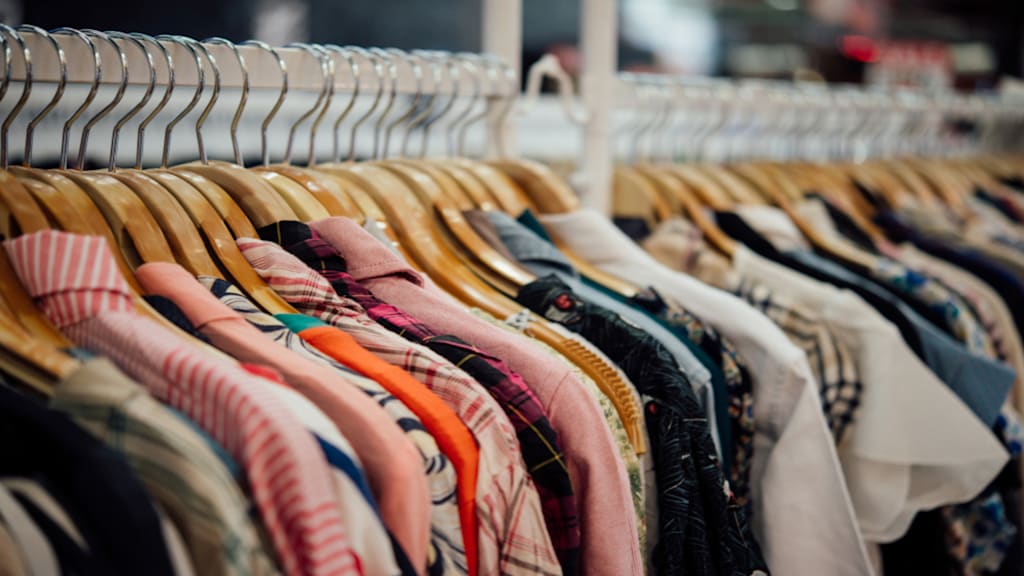
India's apparel industry sits at the heart of the country's economic and cultural identity. As the world's second most populous nation, India boasts a rapidly growing middle class, a young demographic profile, and deep-rooted traditions of occasion-driven dressing making it one of the most exciting fashion markets on the planet.
The shift from a fragmented, unorganized retail landscape to a digitally integrated consumer market is changing how Indians discover, buy, and engage with fashion. International brands are entering with confidence, domestic retailers are pushing aggressively into tier-II and tier-III cities, and e-commerce platforms are using AI to reach fashion-conscious shoppers who had no access to branded apparel just a decade ago. The latest research report suggests, the Indian apparel market was valued at USD 88 billion in 2025 and is projected to hit USD 117.05 billion by 2034, growing at a CAGR of 3.16% during 2026–2034.
Why Is the Market Growing So Rapidly?
Rising Urban Middle Class and Disposable Incomes
India's middle class is on track to reach 600 million people and they're spending more on branded clothes. As household incomes rise in tier-I and tier-II cities, consumers are moving away from unorganized local shops toward organized retail. The boom in dual-income households is amplifying fashion spending across all segments. Retailers like Reliance Trends and Tata Trent's Zudio brand are already racing to capture this wave in emerging urban centers.
Government Policy Support and Manufacturing Incentives
India's government is backing its apparel sector with real money. The Production Linked Incentive (PLI) scheme offers INR 10,683 crore to manufacturers scaling up man-made fibres and technical textiles. The Textile Policy 2024 provides capital subsidies of 10–35% on qualifying fixed investments. Cuts in import duties on raw materials like polyester and viscose staple fibre are also boosting cost competitiveness, cementing India's position as a global apparel manufacturing hub.
Accelerating E-Commerce and Digital Retail
Internet penetration in rural India hit 57% in 2026 — blowing open the addressable market for fashion e-commerce. India's internet user base is now approaching 1 billion, fueled by AI adoption, short-video consumption, and surging e-commerce activity. Platforms are rolling out AI-powered product discovery, virtual try-ons, and fast-delivery models to win over fashion-forward consumers across every geography. Direct-to-consumer brands are especially benefiting, cutting out the traditional multi-brand retail middleman entirely.
AI and Technology Reshaping Fashion Retail
Artificial intelligence is no longer a buzzword in Indian fashion, it's becoming the backbone of how brands operate, sell, and connect with customers. Across the value chain, from design to delivery, tech is driving a fundamental shift in how the industry works.
On the consumer side, AI-powered personalization engines are analyzing browsing behavior, purchase history, and even social media preferences to serve hyper-relevant product recommendations. Platforms like Myntra have deployed AI styling assistants that act like a personal shopper cutting through decision fatigue and driving higher conversion rates. Virtual try-on technology, powered by augmented reality, is addressing one of e-commerce's oldest pain points: not knowing how something will actually look on you. Early adopters are seeing meaningful drops in return rates which is a major cost saving for the industry. Meanwhile, size recommendation tools using body measurement data are further reducing fit-related returns.
On the supply side, AI demand forecasting is helping brands reduce overproduction, a critical move as sustainability pressures mount. Smarter inventory management, predictive restocking, and automated reordering are trimming waste and improving margins across the board. Generative AI is also making waves in design. Indian brands are experimenting with AI-assisted trend forecasting and rapid prototyping compressing the time from concept to sample. For fast-fashion players, this speed advantage is enormous.
In 2026, several D2C brands in India began integrating WhatsApp-based AI shopping assistants allowing customers to browse, ask questions, and complete purchases without leaving the app. Given WhatsApp's near-universal penetration in India, this channel holds massive potential for fashion retail going forward.
The bottom line: brands that embrace AI and technology not just as a back-end efficiency tool, but as a front-end experience driver will hold a decisive edge in India's intensely competitive apparel market.
Key Emerging Trends and Strategic Outlook
Rise of Sustainable and Ethical Fashion
India's millennials and Gen Z are voting with their wallets on sustainability. Growing environmental awareness is pushing brands to integrate organic cotton, recycled materials, and fair trade practices into their supply chains. In March 2025, the Clothing Manufacturers Association of India launched the SU.RE Sustainable Supply Chain Directory directly connecting buyers with sustainable suppliers and turning supply chain transparency into a competitive edge. For urban, educated, digitally savvy consumers, a strong sustainability story is becoming a genuine purchase driver.
Digital Commerce and Omnichannel Integration
Fashion e-commerce is on track to claim a major share of total apparel sales in India by 2030. Myntra, Ajio, and Flipkart Fashion are pushing ahead with AI personalization, virtual try-ons, and quick-commerce delivery to raise the bar on the online shopping experience. In 2026, Reliance Retail began piloting a QR code system that connects offline stores to online shopping letting customers browse products inspired by what they see in-store. The line between physical and digital retail is blurring fast.
Athleisure and Casualwear Go Mainstream
India's fitness and wellness wave is pulling athleisure out of the gym and into everyday wardrobes. Performance wear is now popular well beyond dedicated athletes it reflects a broader lifestyle shift toward active, health-conscious living. In 2026, Campus Activewear launched its first dedicated athleisure line, entering a category seeing strong year-over-year online growth. The message is clear: athleisure is no longer niche. It's mainstream and brands that treat it that way will win.
How Is the India Apparel Market Segmented?
By Category:
- Mass — dominates with 71.6% market share (2025)
- Premium
- Luxury
By End Use:
- Women — lead with 41.5% market share (2025)
- Men
- Children
By Distribution Channel
- Offline — clear dominance at 57.8% share (2025)
- Online
- Hypermarkets and Supermarkets
- Clothing Stores
- Others
By Region
- West India — leads with 35.4% share (2025)
- North India
- South India
- East India
Recent Developments
- February 2026: Dubai-based Apparel Group partnered with Australia's Cotton On to expand the brand in India, targeting young consumers through a phased omnichannel strategy covering physical stores, a dedicated e-commerce platform, and leading online marketplaces.
- October 2025: Italian retailer OVS launched its first Indian store in Delhi, offering affordable, sustainable Italian fashion. The company plans gradual expansion offline first, then e-commerce.
Note: If you require specific details, data, or insights that are not currently included in the scope of this report, we are happy to accommodate your request. As part of our customization service, we will gather and provide the additional information you need, tailored to your specific requirements.
About the Creator
Jane Knitch
With years of experience as a market researcher & consultant specializing in industry trends, market intelligence, and business insights, I create data-driven content that helps readers understand evolving markets and industry developments.
Enjoyed the story? Support the Creator.
Subscribe for free to receive all their stories in your feed.
Comments
There are no comments for this story
Be the first to respond and start the conversation.