
India Retail Market: E-Commerce Growth, Consumer Spending & Industry Forecast
Rising middle-class spending, rapid e-commerce expansion, and the quick commerce revolution are reshaping the future of India's retail market.
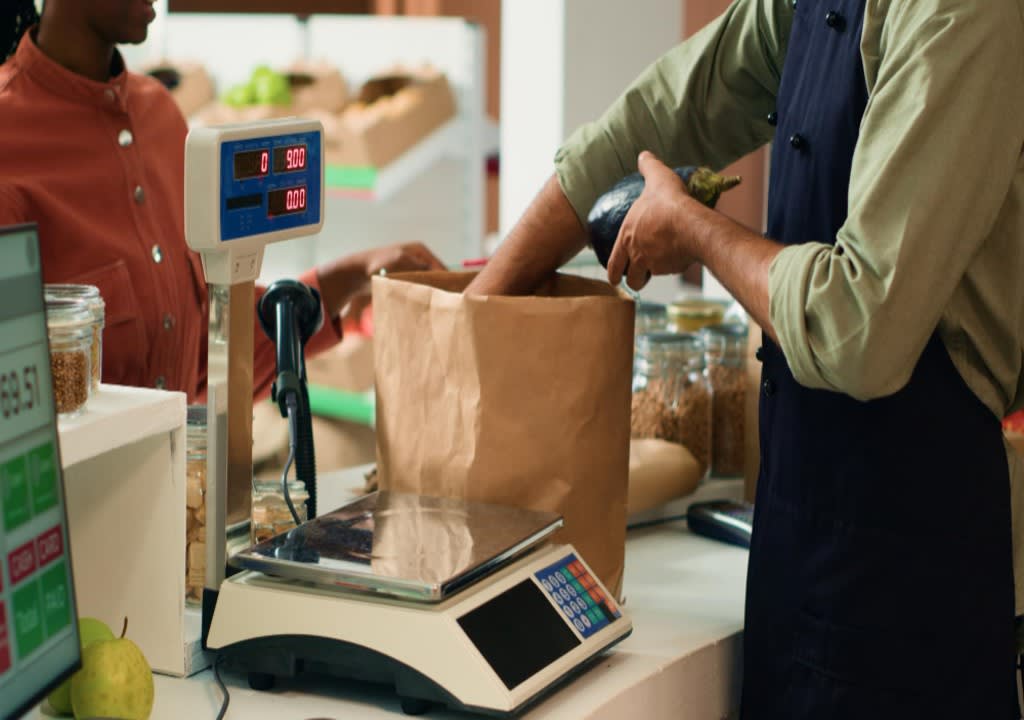
India's retail market stands at a pivotal moment in its evolution. As one of the world's most populous nations with a young, aspirational consumer base and rapidly rising incomes, India is transforming from a fragmented, unorganized retail landscape into a structured, technology-driven marketplace.
The shift is visible everywhere from supermarkets replacing corner shops, global brands opening flagship stores to millions of first-time online shoppers discovering the convenience of e-commerce. According to IMARC Group's latest research, the India retail market was valued at USD 1,124.2 billion in 2025 and is projected to reach USD 3,505.4 billion by 2034, growing at a CAGR of 12.80% during 2026–2034.
Quick Commerce: The 10-Minute Retail Revolution
Speed has become the new competitive edge in Indian retail and quick commerce is the most buzzing story in the market right now. The promise of delivering everyday essentials in under 10 minutes has gone from novelty to expectation in India's major cities, and the race to own this space is intensifying by the day.
In September 2025, Amazon expanded its Amazon Now ultra-fast delivery service to Mumbai, adding to its presence in Bengaluru and Delhi backed by over 100 micro-fulfilment centers with hundreds more planned by year-end. The platform reported 25% month-on-month order growth and increased shopping frequency among Prime members. Competing platforms like Zepto, Blinkit, and Swiggy Instamart are equally aggressive, investing heavily in dark store networks to cut delivery windows further.
What's making quick commerce particularly powerful in India is the combination of dense urban populations, high smartphone penetration, and a cultural comfort with on-demand services. The model is now expanding beyond metros into tier-2 cities, where rising incomes and improving logistics infrastructure are making rapid delivery economics viable. For traditional retailers and FMCG brands alike, quick commerce is no longer optional it's the channel that consumers are increasingly defaulting to for daily needs.
Why Is the Market Growing So Rapidly?
Rising Disposable Incomes and the Expanding Middle Class
India's growing middle class is the primary demand engine for retail across all categories. As household incomes climb in tier-I and tier-II cities, consumers are shifting from unorganized local shops to organized retail formats, spending more on branded merchandise, quality assurance, and better overall shopping experiences. The growth of dual-income households is further amplifying consumer spending, creating robust, sustained demand that will carry through the forecast period.
Urbanization and Infrastructure Development
Rapid urbanization is pulling millions of new consumers into organized retail ecosystems. As cities expand and connectivity improves, demand for modern retail formats like malls, supermarkets, specialty stores is rising sharply. Tier-2 and tier-3 cities are emerging as the next big frontier, with retailers investing aggressively to establish presence before the market matures.
Government Policy Reforms and Foreign Investment
The Indian government's liberalization of foreign direct investment norms has opened the market to global retail players, while domestic policy reforms have streamlined business operations. Improved digital payment infrastructure, particularly the UPI ecosystem has lowered transaction friction for both retailers and consumers, directly accelerating retail activity across the country.
Digital Adoption and E-Commerce Penetration
India's internet user base is approaching 1 billion. Affordable data, widespread smartphone use, and a digitally engaged population have created a strong foundation for e-commerce growth. Online shopping platforms have expanded the addressable market far beyond metro consumers, reaching shoppers in cities and towns that traditional retail never served.
Key Emerging Trends and Strategic Outlook
Rapid Expansion of E-Commerce
E-commerce growth in India has been consistently upward, driven by internet penetration, smartphone adoption, and digital literacy. Online platforms are now reaching tier-2 and tier-3 towns where product variety was traditionally limited. Competitive pricing, wider product selection, fast delivery, and the rise of digital payments through UPI and mobile wallets have all accelerated adoption. The e-commerce boom is also compelling brick-and-mortar retailers to adopt omnichannel strategies bridging online and offline to meet changing consumer expectations.
Increasing Presence of Organized Retail
India's retail sector has long been dominated by small, family-owned shops. That balance is shifting. Supermarkets, hypermarkets, and large retail chains are gaining prominence, offering consumers better experiences, wider choice, and greater price reliability. Liberalized FDI norms, growing urbanization, and an aspirational middle class are all accelerating this structural shift toward organized retail formats.
Digital and Social Media-Driven Consumer Behavior
Instagram, Facebook, and WhatsApp are no longer just social platforms, they're powerful retail influencers. Affordable data and widespread smartphone use have made social media central to how Indians discover and evaluate products. Consumers today research extensively before buying, comparing prices and reading reviews, making a strong digital presence non-negotiable for retailers. Brands are doubling down on online engagement and personalized digital marketing to build loyalty in this increasingly competitive environment.
Rise of Sustainable and Eco-Friendly Retail Practices
Environmental responsibility is becoming a commercial priority in Indian retail. Retailers are adopting biodegradable and recyclable packaging, responsibly sourced materials, and circular economy models including product recycling and buy-back programs. Consumer demand for organic, cruelty-free, and locally produced goods is growing, particularly in food, fashion, and personal care. Brands that lead on sustainability credentials are finding it resonates strongly with younger, urban, digitally engaged shoppers.
How Is the India Retail Market Segmented?
By Product
- Food and Beverages
- Personal and Household Care
- Apparel, Footwear and Accessories
- Furniture, Toys and Hobby
- Electronic and Household Appliances
- Others
By Distribution Channel
- Supermarkets and Hypermarkets
- Convenience Stores
- Specialty Stores
- Online Stores
- Others
By Region
- North India
- West and Central India
- South India
- East and Northeast India
Recent Developments
- September 2025: Italian fashion retailer OVS announced its entry into India with a flagship store opening at Pacific Mall, New Delhi. The 9,000 sq. ft. outlet showcases OVS' latest retail concept spanning everyday wear to premium lines, underlining the growing appeal of international fashion brands in India.
- September 2025: TechnoSport opened its 21st exclusive brand outlet in Kolkata as part of its nationwide retail expansion, targeting 50 outlets across the country by year-end with a focus on tier-2 and tier-3 markets.
- September 2025: Korean-inspired lifestyle brand Uni Seoul partnered with Bengaluru-based LiteStore to open 25 offline stores across metros within a year, with plans to scale to 500 outlets in India over the next five years.
Note: If you require specific details, data, or insights that are not currently included in the scope of this report, we are happy to accommodate your request. As part of our customization service, we will gather and provide the additional information you need, tailored to your specific requirements.
About the Creator
Jane Knitch
With years of experience as a market researcher & consultant specializing in industry trends, market intelligence, and business insights, I create data-driven content that helps readers understand evolving markets and industry developments.
Enjoyed the story? Support the Creator.
Subscribe for free to receive all their stories in your feed.
Comments
There are no comments for this story
Be the first to respond and start the conversation.