
India Cosmetics Industry 2026–2034: Size, Trends, Premiumization & Forecast
India booming cosmetics market exceeds thirty billion dollars, fueled by digital e-commerce, shifting consumer preferences, and rising urban disposable incomes.

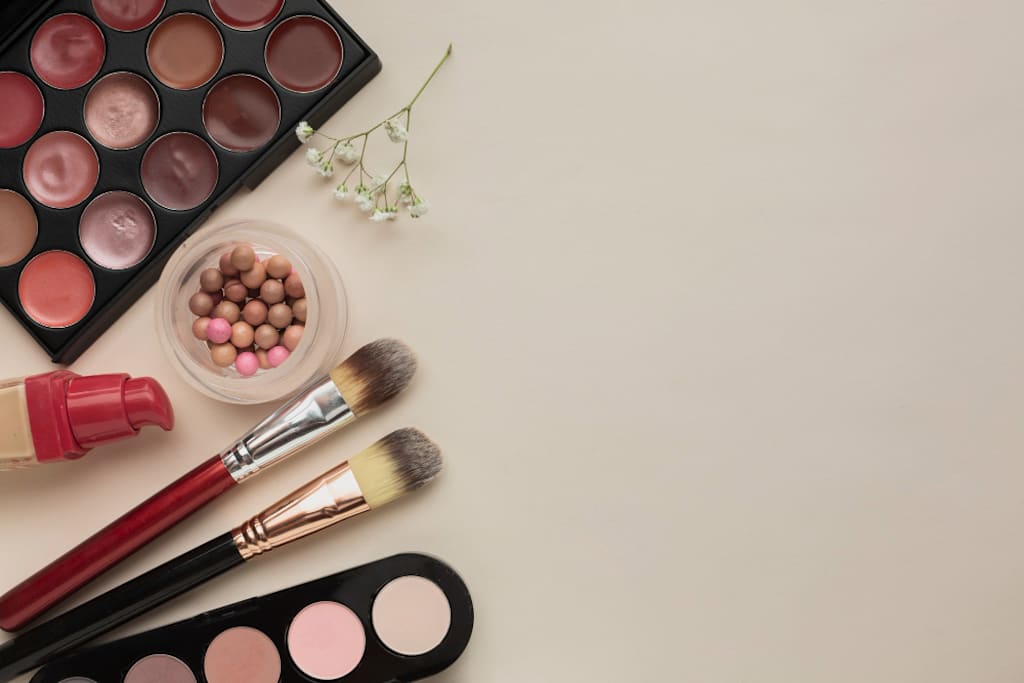
India's cosmetics market is gaining significant momentum as the nation accelerates its beauty and personal care ambitions amid rising disposable incomes, rapid urbanization, and growing beauty awareness across demographic segments. Digital commerce proliferation, expanding organized retail penetration into tier-2 and tier-3 cities, and increasing adoption of natural and Ayurvedic formulations are reinforcing the development of a diversified cosmetics ecosystem spanning mass, premium, and D2C segments nationwide.
According to IMARC Group's latest market report, the India cosmetics market was valued at USD 15.46 Billion in 2025. It is projected to reach USD 25.39 Billion by 2034, expanding at a compound annual growth rate (CAGR) of 5.66% during the 2026–2034 forecast period.
Why the Market Is Growing so Rapidly?
Rising Disposable Income and Aspirational Consumption
India's growing per capita income and expanding urban middle class are driving a structural shift in consumer spending toward beauty and personal care products. India's per capita income reached approximately USD 2,485 in 2024, with urban households allocating a growing share of discretionary expenditure to grooming and cosmetics. Beauty and grooming now rank among the top five consumer expenditure categories in urban India, reflecting the transition of cosmetics from a discretionary purchase to an essential lifestyle category across metropolitan and emerging tier-2 markets alike.
Digital Commerce and Social Media-Driven Discovery
India's internet user base of over 950 million as of 2025 is fundamentally reshaping how beauty products are discovered, evaluated, and purchased across consumer demographics. Beauty content accounts for approximately 18% of total social media engagement on Instagram and YouTube India, enabling D2C brands to achieve lower customer acquisition costs than traditional retail channels. E-commerce now accounts for over 22% of total cosmetics sales in India in 2025, with platforms including Nykaa, Myntra Beauty, Amazon India, and Flipkart driving premiumization through curated brand stores and AI-powered personalized recommendations.
Increasing Male Grooming Adoption and Expanding Consumer Base
The male grooming segment is emerging as the most dynamic growth category within India's cosmetics market, growing at approximately 9.8% annually in 2023–2024, driven by rapidly changing grooming norms among younger male demographics. Indian men spent an estimated USD 1.1 Billion on personal care products in 2024, a figure projected to reach USD 2.3 Billion by 2030, as face wash, moisturizers, beard care, and anti-dandruff solutions drive incremental category volumes. Dedicated men's brands including Beardo, The Man Company, and Ustraa, alongside category extensions from Garnier Men and Nivea Men, are formalizing a segment that remained largely unaddressed by mainstream cosmetics players until recently.
What Are the Latest Emerging Trends in India's Cosmetics Market?
Clean Beauty and Ingredient Transparency
Consumer demand for transparent ingredient labeling and cruelty-free formulations is reshaping product development priorities across India's cosmetics industry. Over 68% of urban female consumers reviewed ingredient lists before purchasing skincare products in 2024, and consumer searches for paraben-free and natural beauty products on Indian e-commerce platforms increased over 45% year-on-year in 2024. Brands are reformulating to eliminate parabens, sulfates, and microplastics, with clean beauty positioning becoming a defining premium differentiator as the organic segment grows at an estimated 9.2% CAGR — approximately 1.6 times the overall market rate.
Quick Commerce and Hyper-Personalization Transforming Beauty Retail
Ten-minute delivery platforms including Blinkit, Zepto, and Swiggy Instamart are transforming beauty retail by making same-day delivery a baseline consumer expectation across major metropolitan markets. Cosmetics now account for approximately 8–10% of quick commerce gross merchandise value in major metro cities, reflecting a structural shift in impulse purchase behavior. AI-powered personalization tools deployed by L'Oréal through ModiFace and Nykaa's recommendation engine, which analyzes over 200 skin parameters, are increasing basket sizes by 30–40% per consumer engagement and reducing product return rates.
Dermatologist-Recommended and Clinical Skincare Expansion
The derma-cosmetics sub-segment is growing at an estimated 11–13% CAGR, driven by consumer preference for evidence-based formulations with clinical validation. Brands including Minimalist, Dot and Key, and dermatologist-backed platforms are positioning high-concentration active ingredient formulations, including hyaluronic acid, niacinamide, retinol, and peptides, at accessible price points, triggering broad industry reformulation across both mass and premium tiers. Clinical validation is rapidly transitioning from a premium marketing differentiator to a baseline expectation among urban skincare consumers.
India Cosmetics Market Segmentation
Product Type Insights:
• Skin and Sun Care Products
• Hair Care
• Color Cosmetics
• Fragrances
• Deodorants
• Oral Care
Category Insights:
• Conventional
• Organic
Gender Insights:
• Women
• Men
• Unisex
Distribution Channel Insights:
• Supermarkets and Hypermarkets
• Pharmacies
• Beauty Specialty Stores
• Online
• Others
Regional Insights:
• North India
• South India
• West and Central India
• East India
Recent Developments
In February 2026, Nykaa signed an exclusive distribution agreement with L'Oréal India to manage all operations of luxury skincare brand Kiehl's in India, deepening the partnership between India's leading beauty e-commerce platform and the world's largest cosmetics group across the premium skincare segment.
In January 2025, Emami rebranded Fair & Handsome to Smart & Handsome, aligning the men's grooming brand with evolved consumer sensibilities while expanding its international footprint across SAARC and African markets as part of its broader men's grooming category expansion strategy.
About the Creator
chetan kalyan
Market research specialist focused on consumer behavior, industry trends, and strategic insights. Passionate about helping businesses make informed decisions through data analysis and research-driven solutions.
Enjoyed the story? Support the Creator.
Subscribe for free to receive all their stories in your feed.
Comments
There are no comments for this story
Be the first to respond and start the conversation.