
I Tried Different Google Lens Alternatives and Preferred Chance AI
Exploring how Chance AI made visual search feel more interactive, helpful, and easier to use in everyday life
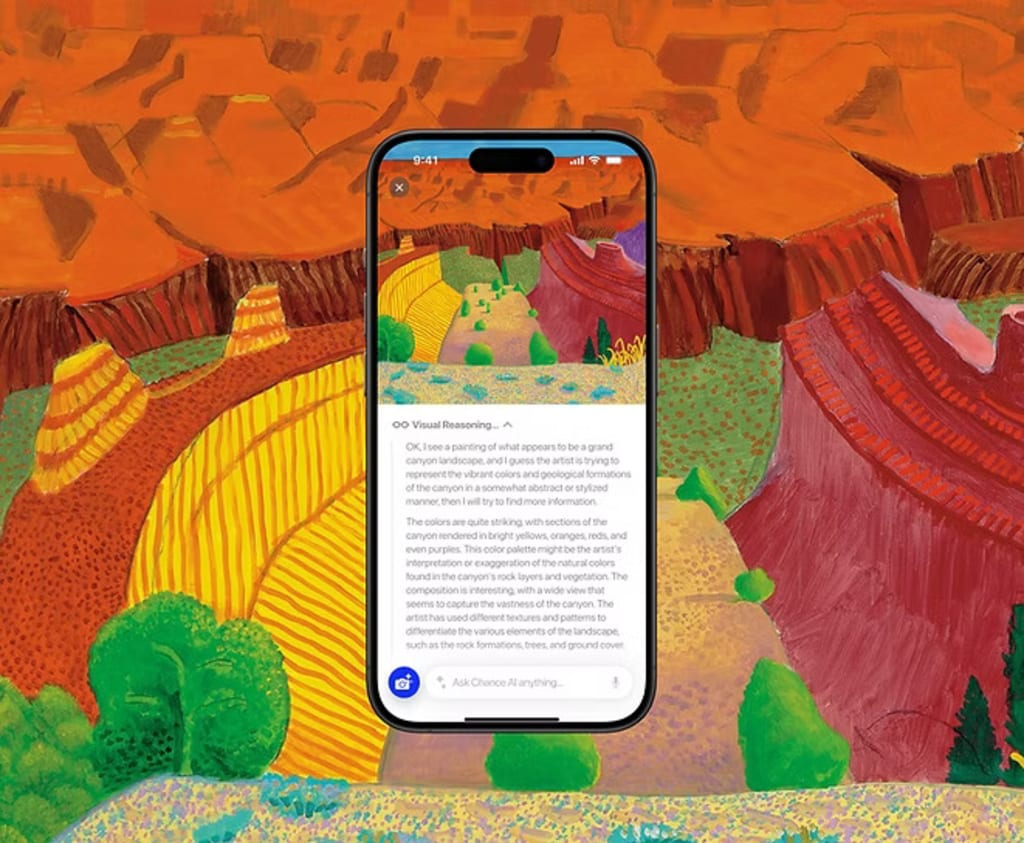
Visual search tools have become a part of everyday life. Whether it’s identifying a plant, finding a product online, translating text from an image, or learning about something you see in the real world, people now expect AI to understand images almost instantly. For a long time, Google Lens has been one of the most popular options for this. But recently, I started exploring different Google Lens alternatives to see if there were tools that felt more interactive, smarter, or simply easier to use in daily situations.
That search eventually led me to Chance AI.
At first, I wasn’t specifically looking to replace Google Lens. I just wanted something that could do more than basic image recognition. After trying several visual AI tools, I realized many of them focused only on identifying objects without giving much useful context or conversation around the result. That’s where Chance AI felt different.
Why People Are Exploring Google Lens Alternatives
Google Lens works well for quick searches, but many users now want a more personalized AI experience. Visual search is no longer just about recognizing an object in a photo. People also want explanations, recommendations, comparisons, and follow-up answers.
For example, if someone takes a picture of shoes, they may want:
- Similar styles
- Fashion suggestions
- Price comparisons
- Brand details
- Styling ideas
Or if someone scans a plant, they may want:
- Care instructions
- Common problems
- Related species
- Easy explanations for beginners
This shift is why interest in Google Lens alternatives has grown over the past few years. Users are looking for AI tools that combine visual understanding with conversational assistance.
What I Noticed While Trying Different Visual Search Tools
While testing different apps and AI platforms, I noticed that many tools were either too limited or too technical. Some were good at identifying objects but lacked detailed explanations. Others focused heavily on shopping results without helping users actually understand what they were seeing.
A few common issues I experienced included:
- Slow image processing
- Generic search results
- Limited interaction after identification
- Too many ads or cluttered interfaces
- Results that felt disconnected from the original image
That’s why I appreciated how Chance AI approached visual search differently.
What Made Chance AI Stand Out
The first thing I noticed about Chance AI was that it felt more conversational. Instead of only labeling objects in an image, it tried to provide context around what I was searching for.
For example, when I uploaded photos of fashion items, it didn’t just identify them. It also helped explain styles, suggest similar looks, and provide ideas in a more natural way. The experience felt closer to interacting with an AI assistant instead of using a standard image recognition tool.
Another thing I liked was the simplicity of the experience. Some AI tools try to overload users with too many features at once. Chance AI felt cleaner and easier to navigate, especially for casual users who simply want quick and useful answers from images.
Useful Everyday Situations for Visual AI
One reason visual AI tools are becoming more popular is because they fit naturally into everyday life. During my testing, I found myself using visual search more often than expected.
Some practical examples include:
Identifying gadgets or tech accessories
- Discovering clothing styles
- Understanding unfamiliar objects
- Getting quick information from screenshots
- Exploring travel landmarks
- Finding similar products online
- Learning from educational images
In many of these situations, Chance AI felt more engaging because the interaction didn’t stop after the first result. It encouraged deeper exploration through follow-up responses and suggestions.
Visual Search Is Becoming More Interactive
The biggest difference I noticed between older visual search tools and newer AI-powered platforms is the level of interaction. Traditional image recognition mainly focused on matching photos with search engine results. Modern AI tools are moving toward helping users actually understand and explore what they see.
That’s why tools like Chance AI are getting attention. People don’t just want object detection anymore. They want AI that can explain, guide, and respond naturally.
This is especially useful for younger users who are already comfortable using AI assistants in their daily routines. Instead of opening multiple apps to research something, users now expect a single AI tool to handle the entire experience.
Is Chance AI a Complete Replacement for Google Lens?
For some users, Google Lens may still be enough for quick searches. It remains a strong tool for instant identification and basic visual lookups. But after trying multiple alternatives, I personally preferred Chance AI because it felt more modern and interactive.
It gave me more than simple recognition results. The experience felt closer to using an intelligent assistant that understands both images and the intent behind them.
Of course, different users will prefer different tools depending on their needs. Some may prioritize shopping features, while others may care more about learning, fashion, travel, or conversational AI support. But if someone is actively searching for a Google Lens alternative that feels more engaging and AI-focused, Chance AI is worth exploring.
About the Creator
Enjoyed the story? Support the Creator.
Subscribe for free to receive all their stories in your feed.
Comments
There are no comments for this story
Be the first to respond and start the conversation.