
How to Choose Fiber Optic Components for FTTH Deployment: A Buyer's Checklist
Technology

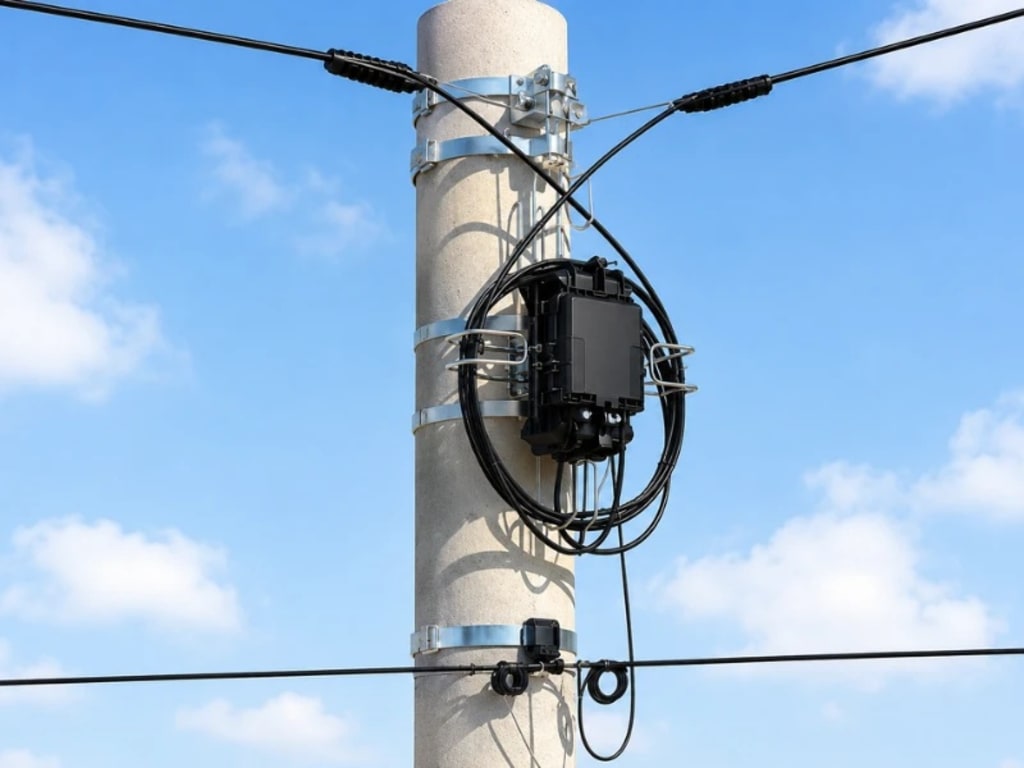
A practical guide for telecom buyers, project managers, and procurement teams
A mismatched connector polish can raise insertion loss across an entire PON link. A splitter with poor uniformity can cause signal failure at the farthest subscriber. These are real outcomes of selecting fiber optic components based on price alone, without checking performance data and installation conditions.
This guide covers the key decisions procurement personnel should make when procuring fiber optic cable assembly such as fiber optic connectors, fiber optic adapters, fiber optic splitters, MPO cables, fiber optic patch panels, fiber distribution box, and fiber optic cable hardware for FTTH solution and data center projects.
Step 1: Clarify Your Deployment Scenario
FTTH and data center networks both use fiber optic components, but their priorities differ significantly.
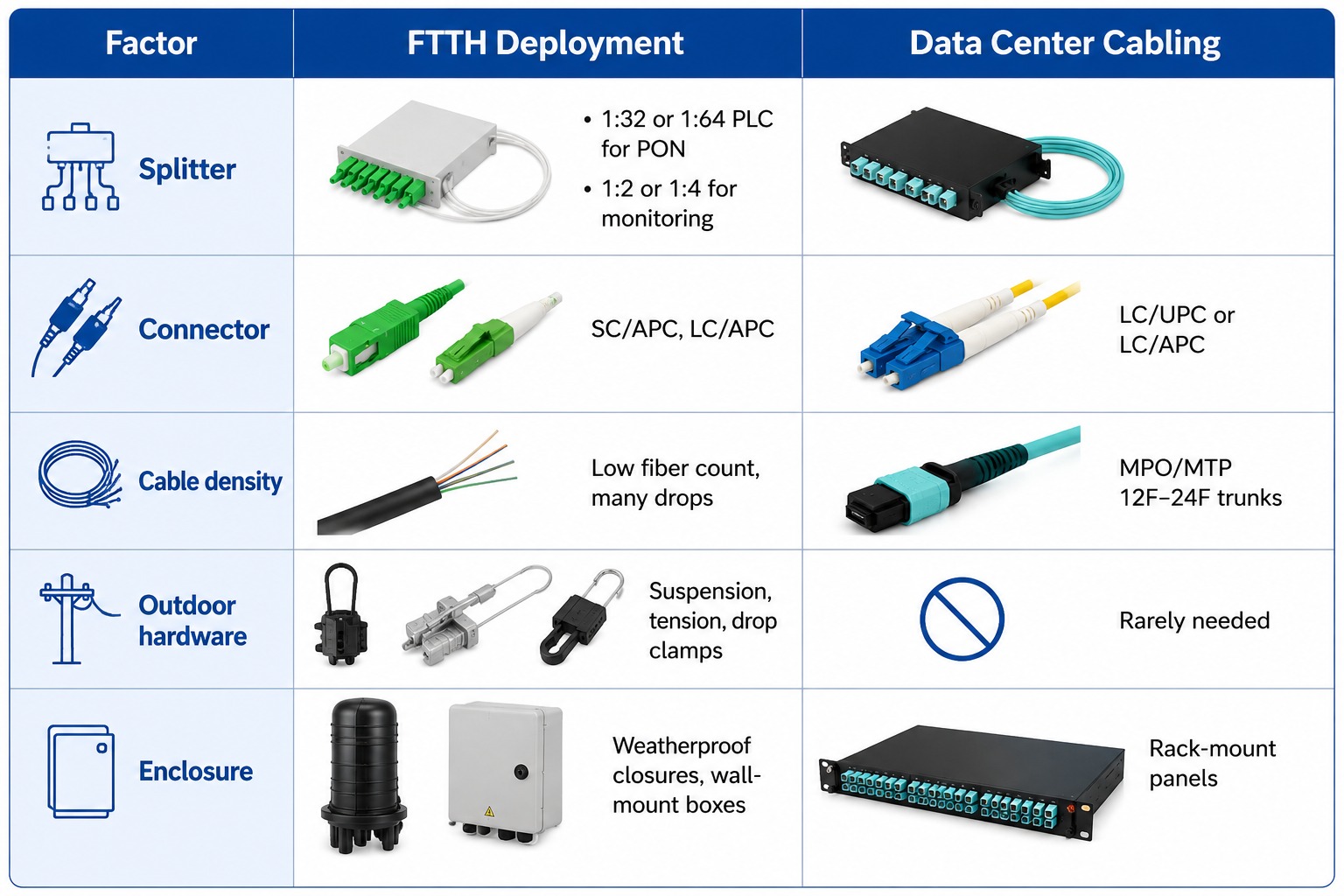
Step 2: Avoid the 5 Most Common Selection Mistakes
Mistake 1: Comparing Price Without Checking Insertion Loss Consistency
A cheaper 1:32 PLC splitter may meet maximum insertion loss specs, but poor port-to-port uniformity causes link failures at the network edge. Ask for test data at each output port, not just the maximum value.
Mistake 2: Mixing APC and UPC Polish Types
APC connectors use an angled ferrule to reduce back-reflection for PON; UPC uses a curved polish for data applications. Mating them causes high return loss, insertion loss, and ferrule damage. Specifying polish type for every component prevents mismatches — green for APC, blue for UPC.
Mistake 3: Ignoring MPO/MTP Polarity Planning
MPO/MTP cables carry 8, 12, or 24 fibers in a single connector. Three polarity methods exist (Type A, B, C), and mixing them creates cross-connected fibers. Before ordering, confirm polarity type and connector gender, and ensure all cables follow the same method.
Mistake 4: Underestimating Outdoor Conditions
Outdoor cable hardware must match actual site conditions: longer pole spans need higher-rated tension clamps, coastal environments demand stainless steel instead of zinc-plated hardware, and ADSS, figure-8, and drop cables each require different clamp designs.
Mistake 5: Raising Customization Needs Too Late
Non-standard cable lengths, custom fiber counts, labeled connectors, and per-shipment test reports should be communicated during quoting, not after ordering. Confirming OEM/ODM capability upfront prevents delays.
Step 3: Evaluate Suppliers Before Comparing Products
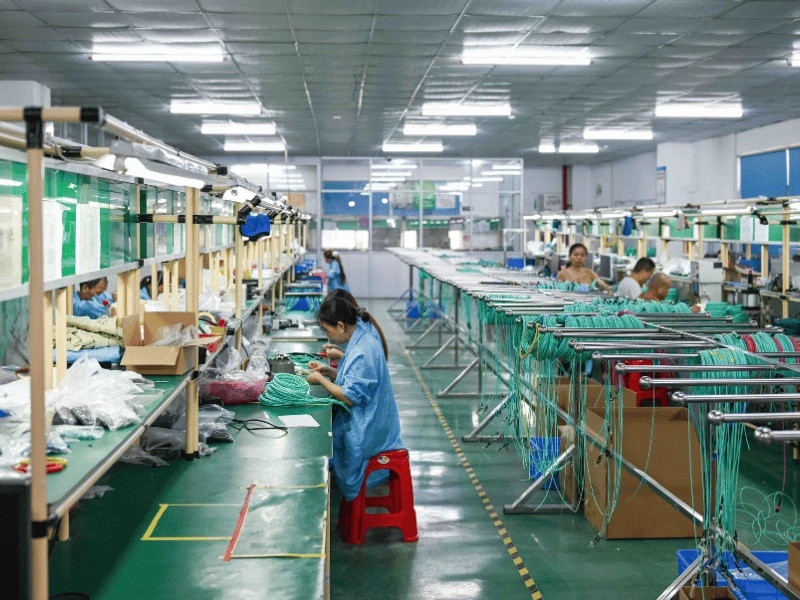
A reliable supplier reduces risk across the entire project. Key assessment areas:
Technical capability: in-house testing for insertion loss, return loss, and uniformity
Production range: full coverage of passive components, or will multiple vendors be needed?
Customization flexibility: non-standard configurations without excessive lead time
Export experience: packaging, documentation, and destination-country compliance
Working with a fiber optic component supplier that covers multiple product categories simplifies coordination and reduces compatibility risk.
Step 4: Match Components to Your Scenario
FTTH Last-Mile
Typical components include a PLC splitter (1:16 or 1:32) in an ABS box or LGX cassette, SC/APC adapters, a wall-mount fiber termination box, drop cable clamps, and a splice closure rated for outdoor use. The priority is uniform insertion loss across all splitter ports combined with weatherproof hardware.
Data Center High-Density Cabling
Typical components include MPO/MTP trunk cables (12 or 24 fiber), MPO-to-LC breakout modules, LC duplex adapters, and short patch cords. The priority is consistent polarity and low insertion loss within the transceiver's optical budget. For buyers sourcing fiber optic cable hardware and structured cabling together, confirming all elements follow the same polarity method prevents costly rework.
Outdoor Telecom Networks
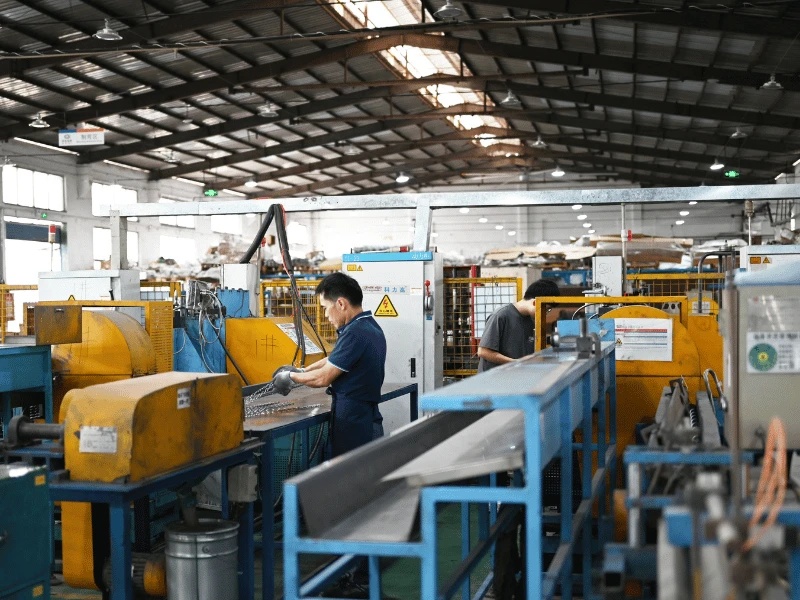
Key components include splice closures rated for burial or aerial use, suspension and tension clamps matched to cable type and span length, stainless steel straps for pole mounting, and distribution cabinets at branching points. The priority is environmental durability — IP65+ sealing, UV resistance, and mechanical strength for wind and ice loads.
Final Thoughts
Fiber optic component selection affects network performance for years. Follow a structured process: define the scenario, understand common pitfalls, evaluate supplier capabilities, and match components to actual requirements. A well-planned selection reduces signal loss, prevents rework, and supports long-term stability.
About the Creator
Enjoyed the story? Support the Creator.
Subscribe for free to receive all their stories in your feed.
Comments
There are no comments for this story
Be the first to respond and start the conversation.