
How Students, Professionals, and Creators Use AI Differently
How AI Helps People in Different Parts of Life
AI has become part of everyday life for many people, but the way it is used often depends on a person’s goals, routine, and type of work. A student preparing for exams will interact with AI very differently from a working professional managing projects or a creator trying to generate ideas online.
Instead of replacing human effort, AI is increasingly being used as a support tool. People use it to save time, organize information, simplify tasks, and improve productivity in ways that fit naturally into their daily lives.
What makes this interesting is that the same AI platform can serve completely different purposes depending on who is using it.
How Students Use AI
For students, AI is often about learning faster and staying organized. Many students deal with large amounts of information every day, whether it is lecture notes, assignments, presentations, or exam preparation. AI tools can help simplify that process.
Some students use AI to summarize difficult topics into shorter explanations that are easier to understand. Others use it to create study schedules, practice interview questions, improve writing, or brainstorm ideas for projects.
Language support is another major reason students rely on AI. Someone learning English or studying in a second language may use AI to rewrite sentences more clearly or explain concepts in simpler terms.
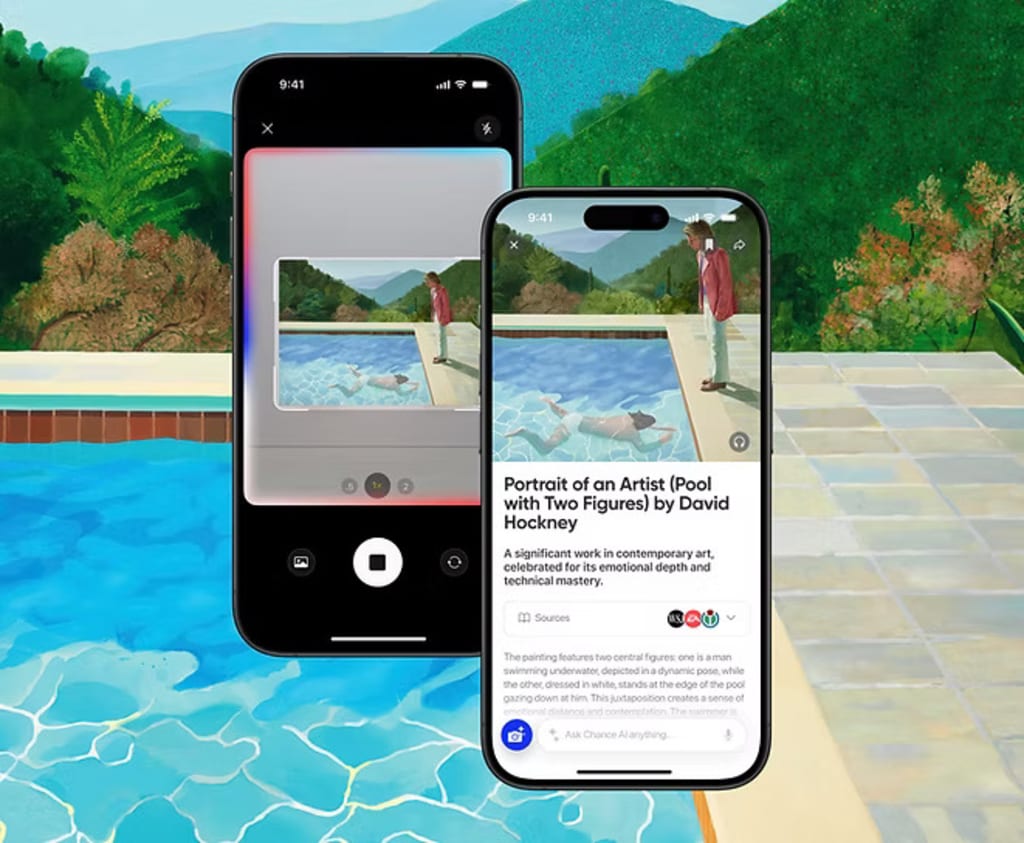
Visual learning has also become more common. Instead of reading long articles, students now use image-based AI tools to identify objects, scan notes, or understand diagrams. Platforms like Chance AI are part of this growing shift toward more interactive and visual ways of searching for information.
At the same time, most students understand that AI works best when used as a learning assistant rather than a shortcut. It can help explain concepts and save time, but critical thinking and personal understanding still matter.
How Professionals Use AI
Professionals usually approach AI with a different goal: efficiency.
In many workplaces, people spend hours managing emails, documents, meetings, spreadsheets, and repetitive tasks. AI tools are often used to reduce that workload and improve productivity during busy schedules.
For example, professionals may use AI to:
- Draft emails faster
- Summarize meeting notes
- Organize research
- Generate reports
- Create presentations
- Automate repetitive workflows
Instead of replacing expertise, AI acts more like a digital assistant that helps people focus on higher-value work.
Marketing teams use AI for brainstorming campaign ideas. Customer support teams use it to speed up responses. Recruiters use it to organize resumes. Developers use it to review code or troubleshoot errors faster.
One reason AI adoption is growing in workplaces is because people are realizing it can fit into existing workflows without requiring advanced technical knowledge.
Another noticeable trend is how professionals are using AI search differently from traditional search engines. Rather than scrolling through multiple websites, many people now prefer direct, conversational answers that save time and reduce information overload.
However, professionals also tend to be more cautious about accuracy. Since workplace decisions often affect clients, revenue, or operations, people still verify important information before acting on it.
AI may speed up tasks, but human judgment remains essential.
How Creators Use AI
Creators often use AI in more creative and experimental ways.
Writers, designers, video editors, musicians, and content creators regularly face one common challenge: creative burnout. Coming up with fresh ideas consistently can be difficult, especially when working under deadlines.
AI has become a useful brainstorming partner for many creators.
Some use it to:
- Generate content ideas
- Create outlines
- Rewrite captions
- Explore visual inspiration
- Improve productivity
- Experiment with different styles
For example, a creator planning social media content might use AI to organize posting ideas for the week. A blogger may use it to structure an article more efficiently. Designers may use image-based AI tools for inspiration or visual search.
Importantly, creators are not using AI only for speed. Many use it to reduce creative friction. Starting from a blank page can feel overwhelming, and AI helps generate momentum.
That said, originality still matters. Audiences usually connect more with content that feels personal and authentic. The most effective creators tend to use AI as a support system rather than letting it completely control the creative process.
This balance between human creativity and AI assistance is becoming more common across digital platforms.
The Difference Comes Down to Intent
What separates students, professionals, and creators is not the technology itself, but the way they choose to use it.
- Students often use AI to understand and learn
- Professionals use it to optimize time and productivity
- Creators use it to brainstorm and stay creative
The same tool can solve very different problems depending on the user’s needs.
This flexibility is one reason AI has become so widely adopted. People no longer see AI as something only for tech experts. It is increasingly becoming a practical everyday tool that adapts to different lifestyles and workflows.
AI Is Becoming More Human-Centered
One of the biggest changes in recent years is that AI tools are becoming easier to use. Earlier AI systems often felt technical or complicated, but modern platforms focus more on natural interaction.
People can now search using images, ask questions conversationally, or get simplified answers without needing specialized skills.
This shift has made AI more accessible to a wider audience, including people who may not consider themselves “tech-savvy.”
As AI continues to evolve, its role will likely become even more personalized. Different users will continue finding unique ways to integrate it into their daily routines, whether for studying, working, creating, or simply managing everyday tasks more efficiently.
In the end, AI is not being used in one universal way. Its value depends largely on how people adapt it to their own goals, habits, and challenges.
About the Creator
Enjoyed the story? Support the Creator.
Subscribe for free to receive all their stories in your feed.
Comments
There are no comments for this story
Be the first to respond and start the conversation.