
How Smart Kitchens Are Reshaping American Homes: U.S. Smart Kitchen Appliances Market to Hit US$ 17.64 Billion by 2033
From Connected Refrigerators to AI Cooking Assistants, the Future of the American Kitchen Has Arrived

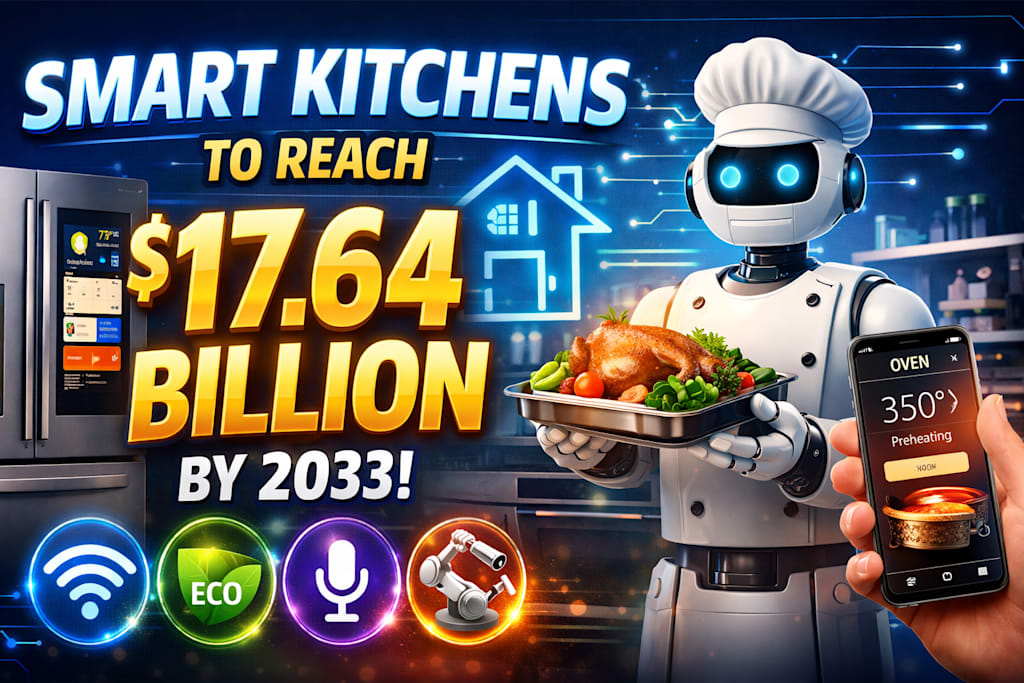
The American kitchen is no longer just a place for cooking—it is rapidly becoming the most intelligent room in the house. From refrigerators that remind users to buy groceries to ovens controlled through smartphones, smart kitchen appliances are transforming how households cook, clean, and manage daily life.
According to Renub Research, the United States Smart Kitchen Appliances Market is projected to grow from US$ 6.14 billion in 2024 to US$ 17.64 billion by 2033, expanding at a CAGR of 12.45% between 2025 and 2033. This impressive growth highlights the increasing demand for convenience, energy efficiency, and connected living across American homes.
As technology becomes more integrated into everyday routines, the kitchen is emerging as the next major frontier in the smart home revolution.
Why Smart Kitchens Are Becoming Essential
Today’s consumers live busy, fast-paced lives. They seek products that save time, reduce effort, and improve productivity. Smart kitchen appliances meet all of these expectations while offering modern features traditional appliances cannot provide.
Whether it is a smart coffee maker that starts brewing before sunrise or a dishwasher that runs during off-peak electricity hours, these appliances are designed to simplify routines.
Consumers are also becoming more comfortable with voice assistants such as Alexa, Google Assistant, and Apple HomeKit. This has made smart appliances easier to use and more attractive to households of all ages.
The Power of Smart Homes and IoT Integration
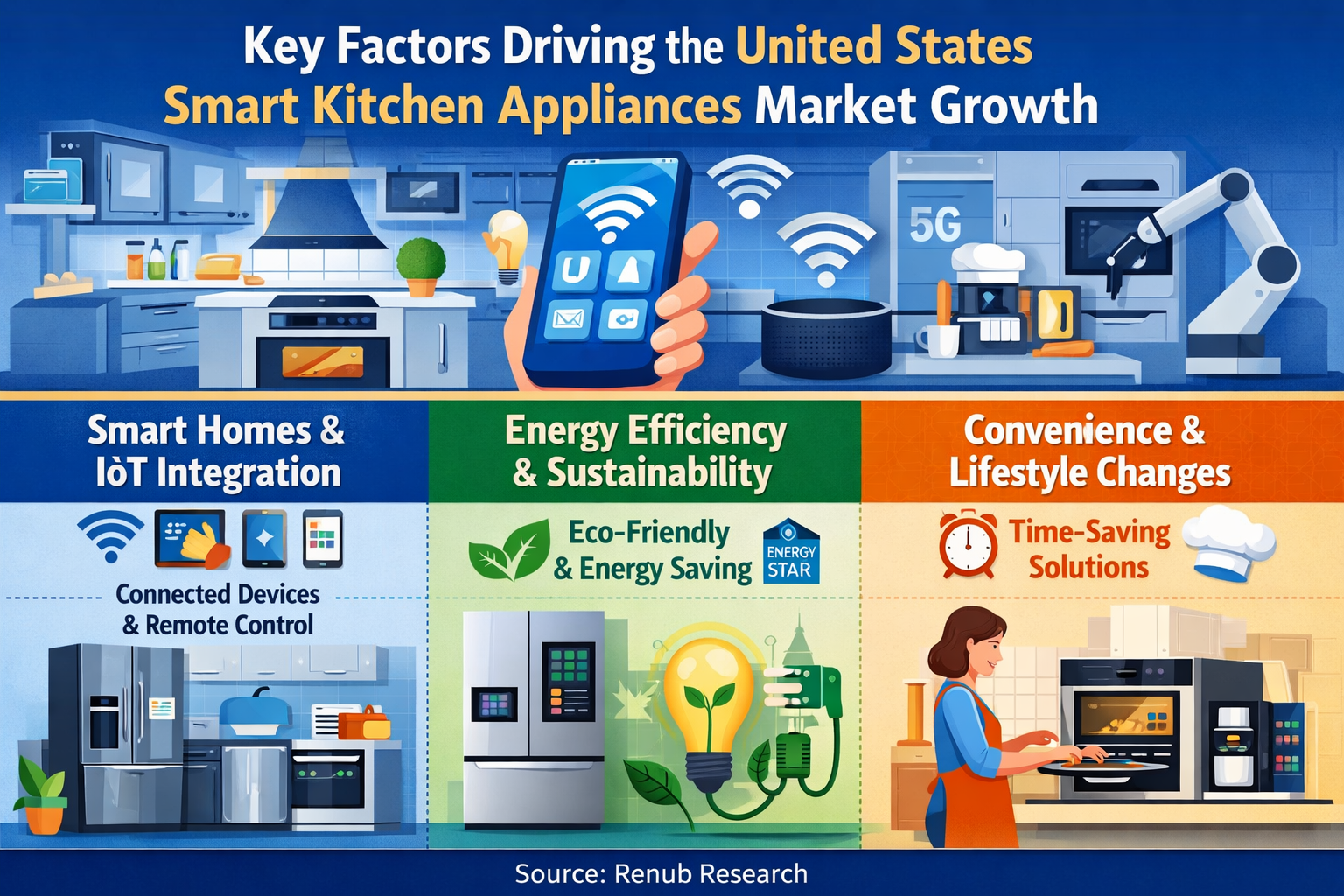
One of the biggest reasons behind this market growth is the expansion of smart homes across the United States.
Smart kitchen appliances connect through Wi-Fi, Bluetooth, and mobile apps, allowing homeowners to control them remotely. A user can preheat the oven on the drive home, monitor refrigerator temperature while traveling, or receive alerts when the dishwasher cycle is complete.
The Internet of Things (IoT) allows devices to communicate with each other, creating a seamless connected ecosystem. For example:
Refrigerators can track food inventory
Ovens can adjust cooking time automatically
Coffee machines can follow programmed schedules
Dishwashers can optimize water and detergent use
These features are no longer futuristic concepts—they are becoming standard expectations in premium households.
Energy Efficiency Is Driving Consumer Choices
American households are increasingly concerned about rising electricity bills and environmental impact. Smart kitchen appliances are answering both concerns through energy-efficient design and intelligent automation.
Modern appliances can now:
Detect usage patterns
Reduce unnecessary energy consumption
Run during cheaper utility hours
Provide real-time energy reports
Optimize temperature and water usage
Many consumers also look for Energy Star-certified products, further encouraging brands to develop sustainable solutions.
This combination of savings and sustainability is making smart appliances especially attractive to environmentally conscious families.
Changing Lifestyles Fuel Demand
Another major factor driving market growth is changing American lifestyles.
With more dual-income families, remote workers, and busy professionals, convenience matters more than ever. Consumers want tools that help them prepare meals faster and manage household tasks more efficiently.
Smart ovens with preset cooking modes, voice-controlled microwaves, and AI-powered cooktops help reduce time spent in the kitchen while maintaining quality results.
Additionally, the rise of home cooking and health-conscious meal preparation has increased demand for appliances that offer precision cooking and customization.
Popular Smart Kitchen Appliances in Demand
The market includes a wide variety of connected devices, but some categories are growing faster than others.
1. Smart Refrigerators
These refrigerators can track groceries, recommend recipes, and allow users to view contents through internal cameras.
2. Smart Ovens
Remote control, voice commands, automatic cooking adjustments, and guided recipes make these a top seller.
3. Smart Dishwashers
Efficient water use, remote notifications, and customized wash cycles are key features.
4. Smart Coffee Makers
Schedule brewing, personalize strength settings, and start from bed.
5. Smart Cooktops & Cookware
Sensors improve cooking precision while reducing waste.
Leading States Driving Growth
The market is strong nationwide, but several states are leading adoption.
California
Known for innovation and sustainability, California consumers prefer energy-efficient and tech-enabled products.
Texas
Rapid population growth, urban development, and rising disposable income are boosting demand.
New York
Space-saving multifunctional appliances are especially popular in urban apartments.
Florida
Modern housing developments and retirees seeking convenience are driving sales.
These states are setting trends that often spread across the rest of the country.
Major Companies Competing for Market Share
The United States Smart Kitchen Appliances Market is highly competitive, with global brands investing heavily in innovation.
Key companies include:
Samsung Electronics
LG Electronics
Whirlpool Corporation
Panasonic Corporation
Haier Group
Miele
Philips
Electrolux
Breville Group
BSH Home Appliances Corporation
These brands compete on design, smart features, app compatibility, energy efficiency, and pricing.
Recent Innovations Changing the Industry
The smart kitchen market is evolving quickly, with companies introducing impressive new technologies.
Samsung’s AI Refrigerators
Samsung launched shoppable refrigerators capable of recognizing stored items and helping users reorder groceries automatically.
GE Appliances Smart Probe
GE introduced wireless cooking probes with AI-powered recipe guidance for better precision cooking.
Whirlpool Efficiency Strategy
Whirlpool announced operational improvements and cost-saving strategies to strengthen its smart appliance business.
Midea Smart Home Expansion
Midea showcased intelligent appliances focused on practical home automation.
These developments show how companies are moving beyond simple connectivity toward true kitchen intelligence.
Challenges Still Facing the Market
Despite strong growth, some barriers remain.
High Initial Cost
Smart appliances often cost significantly more than traditional versions. For budget-conscious families, the upgrade can feel expensive.
Privacy and Cybersecurity Concerns
Because connected devices collect data and rely on internet access, some consumers worry about hacking or privacy risks.
Manufacturers must continue improving software security, encryption, and transparent privacy policies to build long-term trust.
What the Future Looks Like
The next generation of smart kitchen appliances is expected to include:
AI meal planning based on diet goals
Automatic grocery reordering
Better voice control
Predictive maintenance alerts
Integration with fitness and health apps
Robotic cooking assistance
As prices gradually fall and technology becomes easier to use, adoption will likely move from luxury households to mainstream consumers.
The kitchen of tomorrow will not just cook food—it will help plan meals, reduce waste, save money, and improve everyday life.
Final Thoughts
The United States Smart Kitchen Appliances Market is entering a powerful growth phase. With projected revenue rising to US$ 17.64 billion by 2033, smart kitchens are becoming one of the most exciting parts of the connected home movement.
About the Creator
Enjoyed the story? Support the Creator.
Subscribe for free to receive all their stories in your feed.
Comments
There are no comments for this story
Be the first to respond and start the conversation.