
How Smart Cities and 5G Are Fueling the Telecom Power Systems Revolution
From smart cities to 5G expansion, the growing need for reliable and efficient power is transforming global telecom networks.

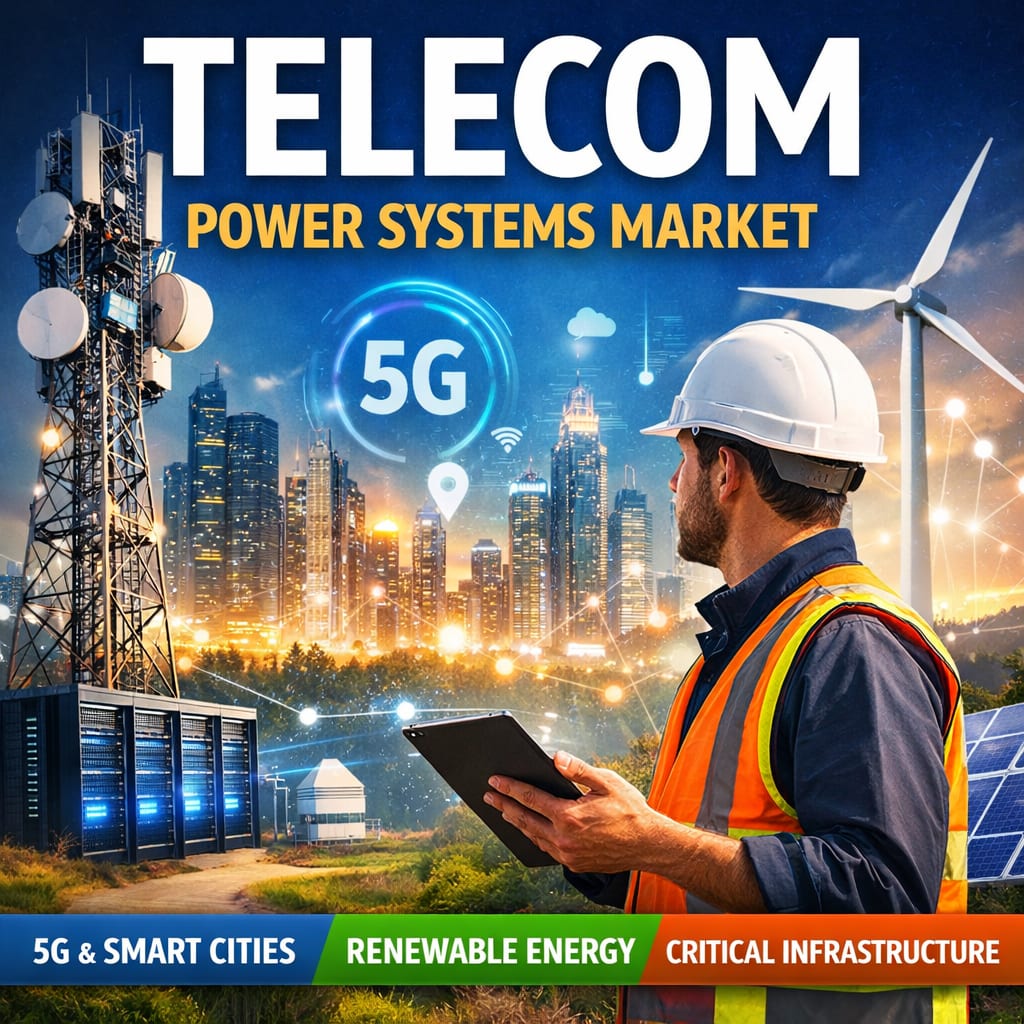
Every time you watch a video‚ make a phone call‚ or use cloud services‚ there's always something behind the scenes: power․
Not only electricity but telecom power systems that ensure the telecommunications networks never fail‚ making the telecom systems the backbone of the global communication in our interconnected world․
With 5G‚ smart cities‚ and the demand for bandwidth and data increasing‚ telecom infrastructure requires reliable new power sources‚ causing the telecom power systems market to grow faster than expected․
The Digital Boom Created a Large Market
The telecom power systems market size was valued at USD 6․2 billion in 2025 and is expected to reach USD 12․2 billion by 2034‚ growing at a CAGR of 7․65% between 2026 and 2034․
In an increasingly digitalized world‚ every digital system needs power that is resilient‚ scalable and efficient․ The growth in data centers reflects that trend․
Unlike typical power systems‚ telecom power solutions must be able to operate indefinitely under continuous load‚ or larger system-wide back-up failures․
Why Telecom Networks Need Advanced Power Systems
Telecommunication networks are expanding at an unprecedented pace․
Cloud computing‚ mobile internet and many other internet technologies and services are being implemented at scale and telecom operators are under constant pressure to provide an uninterrupted service where even a few seconds of downtime may cost them dearly․
This is where the telecom power systems become effective․
They ensure:
- Continuous power supply to telecommunication towers and data centers
- Backup support during outages
- Improving energy efficiency in large-scale infrastructure
- Stable operation in remote or off-grid locations
As networks become more complex‚ there is a growing need for power systems that are both smarter and more resilient․
The 5G Revolution Is Changing Everything
One of the key growth drivers for this market is the adoption of 5G technology․
Unlike earlier generations‚ a dense network of small cells and base stations will be needed for 5G cellular networks‚ leading to greater infrastructure and power requirements․
However‚ 5G networks are projected to require more energy due to:
- Higher data processing requirements
- Increased frequency usage
- More devices are connected to the internet
Telecom operators are upgrading their systems and installing new power systems‚ which handle much of the new power load from new network elements․
With billions of global 5G connections‚ demand for energy-efficient solutions is expected to increase going forward․
Smart Cities Are Driving New Demand
Another major driver of the market is the development of smart city initiatives․
Modern cities are more often powered by connected technologies that include:
- Smart traffic systems
- IoT-enabled waste management
- Clever lighting systems
- Environmental monitoring sensors
All of these systems rely on continuous connectivity and therefore require good telecommunications and a reliable power supply․
Smart cities depend on a reliable source of electricity to function․
Towards green and sustainable energy․
Sustainability is a major focus for the telecom sector․
Operators are under pressure to reduce carbon emissions and operational costs‚ and there is a trend towards environmentally friendly and green power solutions․
These include:
- Solar-powered telecom towers
- Wind energy integration
- Hybrid renewable and conventional energy generation systems
Green power systems can also save money in the long run‚ particularly in remote areas where transporting in fuel is prohibitively expensive․
The shift to renewable energy is impacting the future of telecom power systems․
The Role of Hybrid Power Systems
One of the biggest revolutions in power systems has been the rise of hybrid power systems․
These systems have both customary diesel generators and renewable energy sources‚ like solar or wind generators․
Thus‚ a more efficient and reliable solution can be achieved:
- Reduces fuel consumption
- Ensures uninterrupted power supply
- Improves overall system performance
- Lowers long-term operating costs
Hybrid systems are useful in situations where grid power is unreliable or unavailable․
Why Some Countries Are Leading the Industry
The growth of the telecom power systems market is not evenly distributed across all regions․ Some regions are growing faster than others․
North America currently dominates the global market due to the development of infrastructure‚ rapid adoption of 5G technology‚ and important investments in data centers and cloud․
The phenomenon is especially pronounced in the United States‚ where telecom networks have expanded rapidly and digital services have become more popular․
Meanwhile‚ Asia-Pacific is seen as a key growth market‚ with countries such as China and India investing heavily in their telecommunications infrastructure as part of the digital transformation and higher internet penetration․
Furthermore‚ Europe‚ Latin America and the Middle East are also progressively moving ahead as connectivity emerges as a priority for economic growth․
Inside the Technology: What Powers Telecom Systems
Telecom power systems consist of several inter-related components or devices that work together․
These include:
- Power flow management through rectifiers and converters
- Controllers for monitoring system performance
- Generators for backup power
- Cooling systems are used to maintain operational stability
Generators are still common‚ particularly in locations where grid power is less reliable․
Simultaneously‚ DC power systems are becoming more common‚ owing to their efficiency‚ lower energy losses and concordance with renewable energy systems․
A Competitive‚ Innovation-Driven Industry
The market leaders are large global companies with a strong focus on innovation and efficiency․
Organizations are investing in:
- Energy-efficient technologies
- Smart monitoring systems
- Renewable energy integration
- Scalable solutions for future networks․
Partnerships or other forms of cooperation are another strategy companies use to achieve growth․
Challenges That Could Influence the future
Despite this rapid growth‚ the industry encounters difficulties․
Energy usage is a concern due to the large demands of 5G networks and an ensuing challenge for telecom operators to keep costs down while maintaining service․
Further‚ electricity reliability in remote or developing countries where grid infrastructure is weak might be a challenge․
However‚ they are also driving innovation with the development of smarter‚ more efficient and greener solutions that meet these demands․
Looking Ahead
The future of the telecom power systems market is inextricably linked to the future of connectivity․
With technology areas including 5G‚ the Internet of Things (IoT)‚ cloud computing‚ and smart cities all developing‚ demand for reliable power infrastructure is growing․
Telecom power systems will need to become:
- More energy-efficient
- More sustainable
- More responsive to changing network demands
The market is projected to grow and double in size by 2034‚ highlighting its importance in the digital ecosystem․
Final Thoughts
Although not usually seen by the end user‚ telecom power systems provide the electrical energy for all telecommunications systems․
They power the networks that keep businesses running‚ cities functioning and people connected․
As the world moves toward digitization‚ these systems will be the backbone of what comes‚ proving that behind every strong network is an even stronger power system․
What are your thoughts on the future of telecom infrastructure?
About the Creator
Robert
Senior Market Researcher at IMARC Group, specializing in global market analysis, industry trends, and data-driven insights across diverse sectors.
Enjoyed the story? Support the Creator.
Subscribe for free to receive all their stories in your feed.
Comments
There are no comments for this story
Be the first to respond and start the conversation.