
How Scooter Sidecars Are Transforming Last-Mile Delivery in 2026
Inder Auto Industries
Last-mile delivery… it’s messy everywhere. Not just in India.
New York, London, Jakarta, Nairobi different cities, same pattern. Traffic delays, rising fuel costs, and customers expecting faster deliveries every day.
Businesses are under pressure, and traditional delivery setups aren’t holding up as well anymore.
That’s where scooter sidecars quietly come in. Not as some big innovation, but as a practical solution that works in everyday conditions.
A Closer Look at the Scooter Sidecar
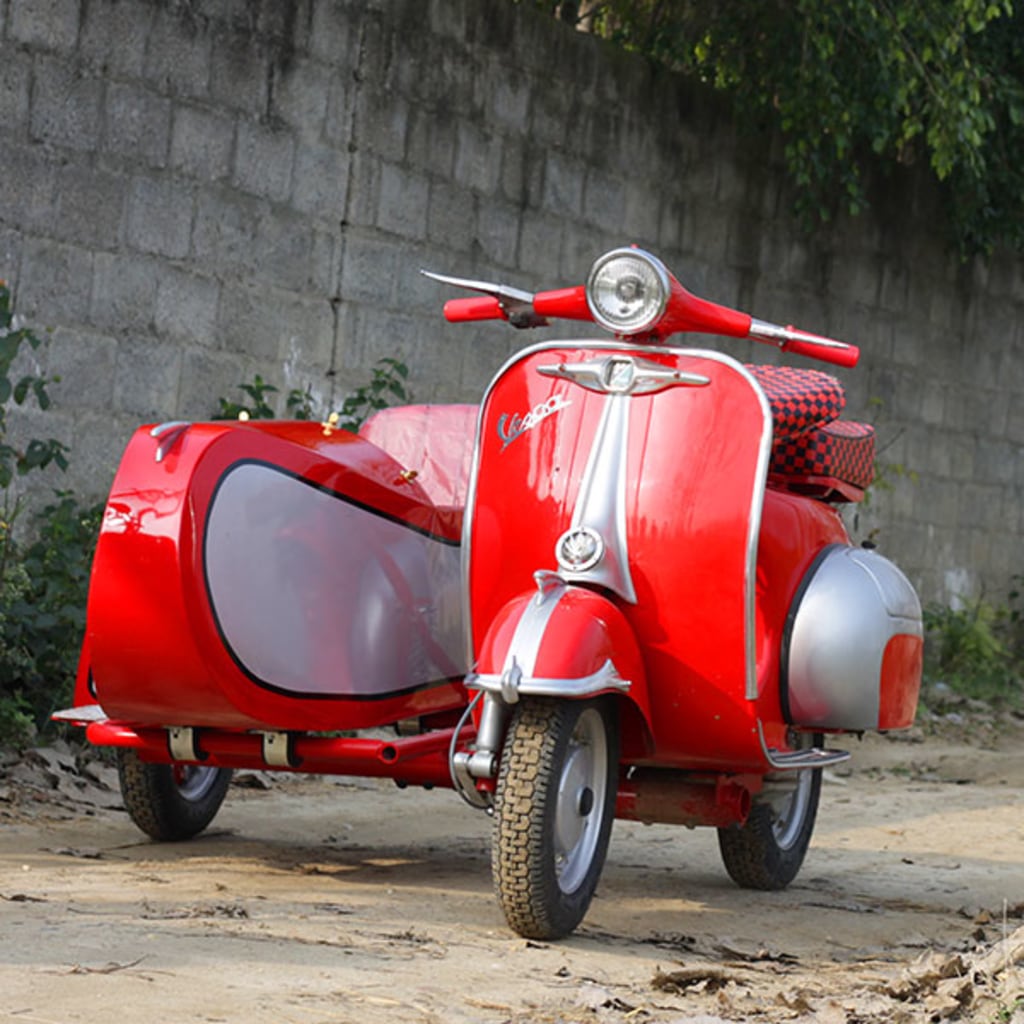
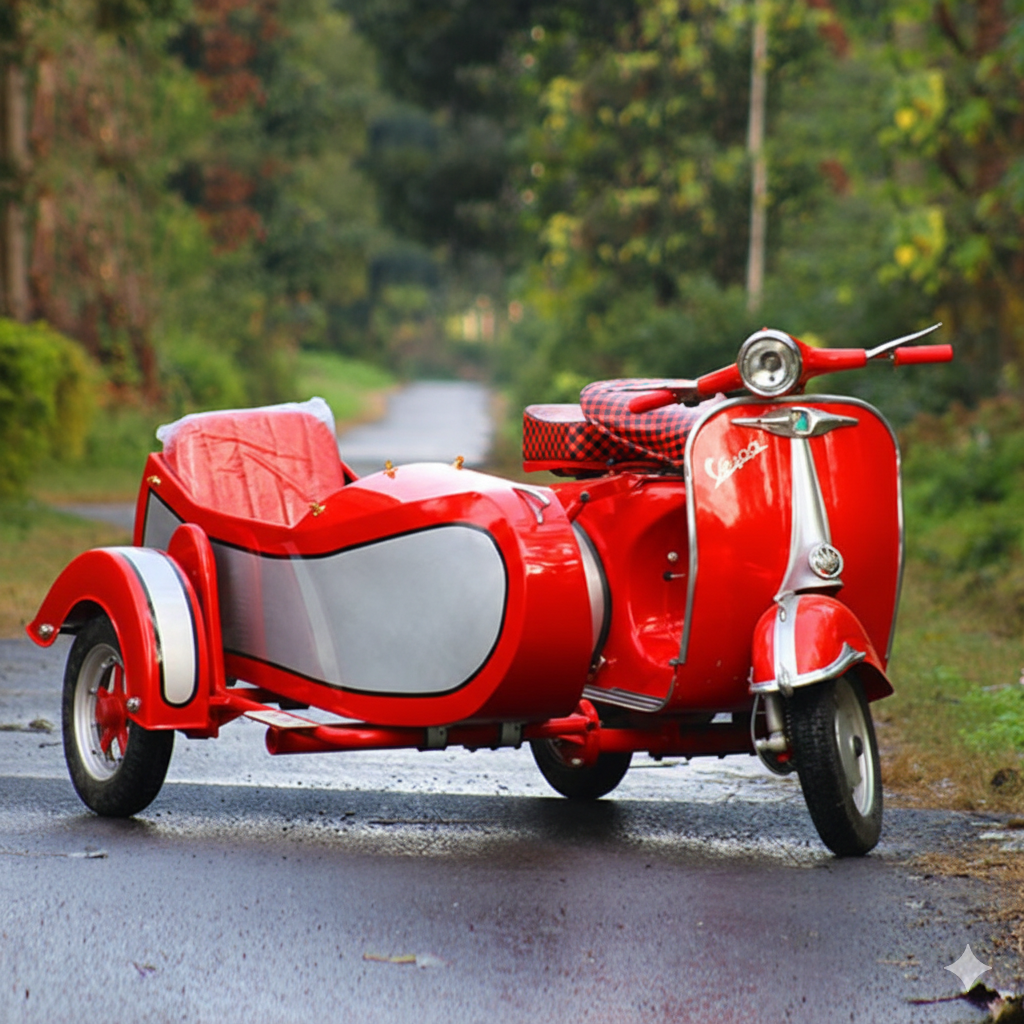
A scooter sidecar is an attached unit fixed beside a scooter or motorcycle, designed to carry goods.
Instead of stacking items behind the rider or making repeated trips, there’s a dedicated space alongside the vehicle. It’s a simple setup, but noticeably more practical in daily use.
Why Last-Mile Delivery Needed Something Better
Traditional delivery setups tend to run into the same issues:
Limited carrying capacity
Too many trips for smaller loads
Higher fuel consumption
Difficulty moving through crowded areas
In tight urban spaces, maneuverability becomes a challenge. In larger areas, cost and time start adding up.
A van is often too large. A basic scooter can feel too limited.
More capacity without increasing cost
This is where scooter sidecars begin to make sense.
Riders can carry more in a single trip multiple packages, bulk items, or heavier loads without constantly going back and forth.
Over time, that reduces fuel use and saves time, which directly impacts efficiency.
Built for tight cities and unpredictable roads
Many cities weren’t designed for the current level of delivery demand.
Narrow streets, crowded marketplaces, and inconsistent road conditions make things harder for larger vehicles.
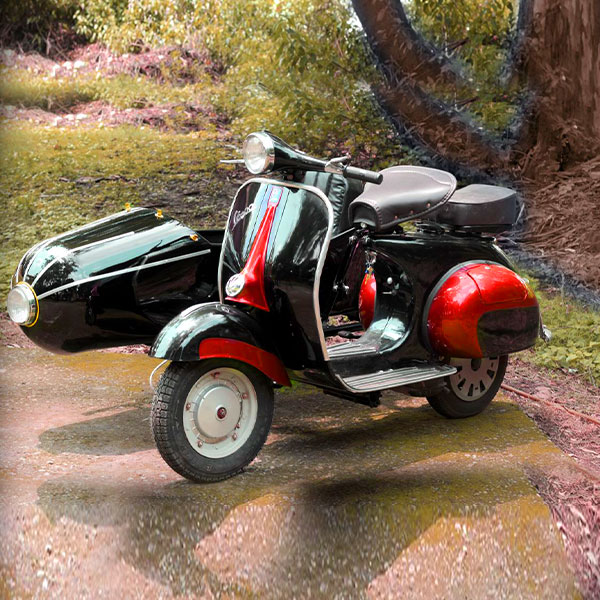
A scooter with a sidecar keeps the flexibility of a two-wheeler while adding extra carrying capacity. It can still move through traffic, take tighter turns, and find parking more easily.
Stability that actually improves safety
Overloading a regular scooter can affect balance and braking.
With a sidecar, the load is supported separately, which improves weight distribution. The ride tends to feel more controlled compared to carrying everything on the rear.
One design, multiple real-world uses
A scooter sidecar isn’t limited to delivery work.
It’s also used for:
Food and beverage setups
Mobile vending
Medical transport in smaller areas
Pet transport
Promotional or display setups
The same base concept works across different use cases.
Features that actually matter in a scooter sidecar
From what’s seen in practical use, a reliable sidecar usually includes:
A strong frame for daily load handling
Stable mounting that doesn’t shift
Suspension that absorbs shocks
Weather protection, depending on use
A design focused on function over appearance
Why businesses worldwide are moving toward scooter sidecars
This shift isn’t about trends it’s about practicality.
Businesses are exploring sidecars because they:
Reduce repeat trips
Help lower operational costs
Improve overall efficiency
Work across different environments
They also fit into existing delivery systems without major changes.
Long-term value matters more than the initial price
Lower-cost options may seem appealing at first, but over time, durability becomes important.
Wear and tear, weak joints, and frequent repairs can affect long-term usability.
A well-built sidecar tends to last longer and perform more consistently under daily use.
Why Inder Auto Industries fits into this shift
Different manufacturers approach sidecars differently.
Some focus more on appearance, while others prioritize durability and practical use. In smaller manufacturing setups, especially in India, there’s often a stronger emphasis on building for real-world conditions.
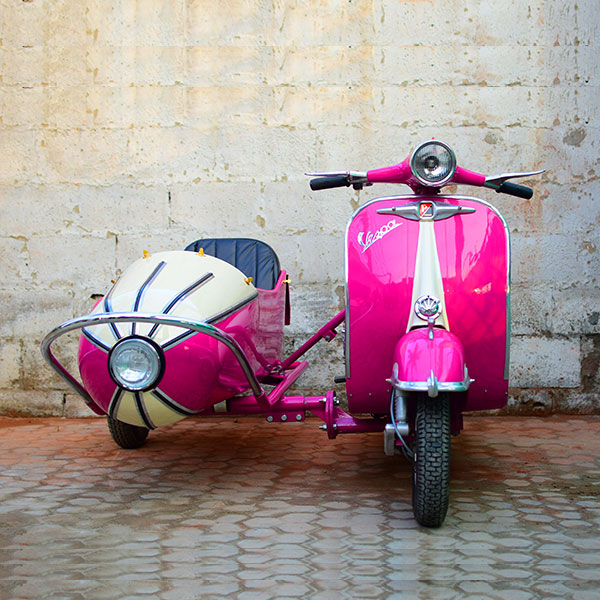
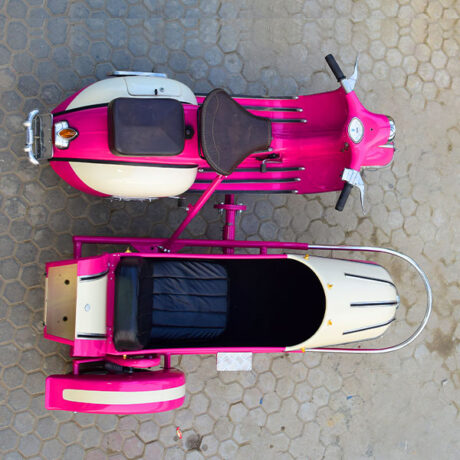
Inder Auto Industries is one of the names that comes up in that context mainly as an example of manufacturers focusing on utility-driven designs rather than just visual appeal.
Final thoughts
Last-mile delivery continues to evolve.
As expectations increase and costs rise, simple and practical solutions are becoming more relevant. Scooter sidecars don’t change the system entirely, but they do make everyday operations more manageable.
Sometimes, small adjustments create meaningful improvements.
FAQs
What is a scooter sidecar used for?
It is used to carry goods or cargo alongside a scooter, especially for delivery or small business operations.
Is a scooter sidecar suitable for global delivery operations?
Yes, it can be used in both urban and semi-urban environments.
Can a scooter sidecar be customized?
Yes, designs can vary depending on specific use cases.
Is a scooter sidecar safe?
It generally provides better stability compared to overloaded scooters.
How long does a scooter sidecar last?
A well-built unit can last for several years with regular maintenance.
About the Creator
Enjoyed the story? Support the Creator.
Subscribe for free to receive all their stories in your feed.
Comments
There are no comments for this story
Be the first to respond and start the conversation.