
How Reverse Image Search Works by Chance AI: A Simple Guide for Non-Tech Users (With a Smarter AI Twist)
Understand any image instantly, go beyond matches with AI-powered insights
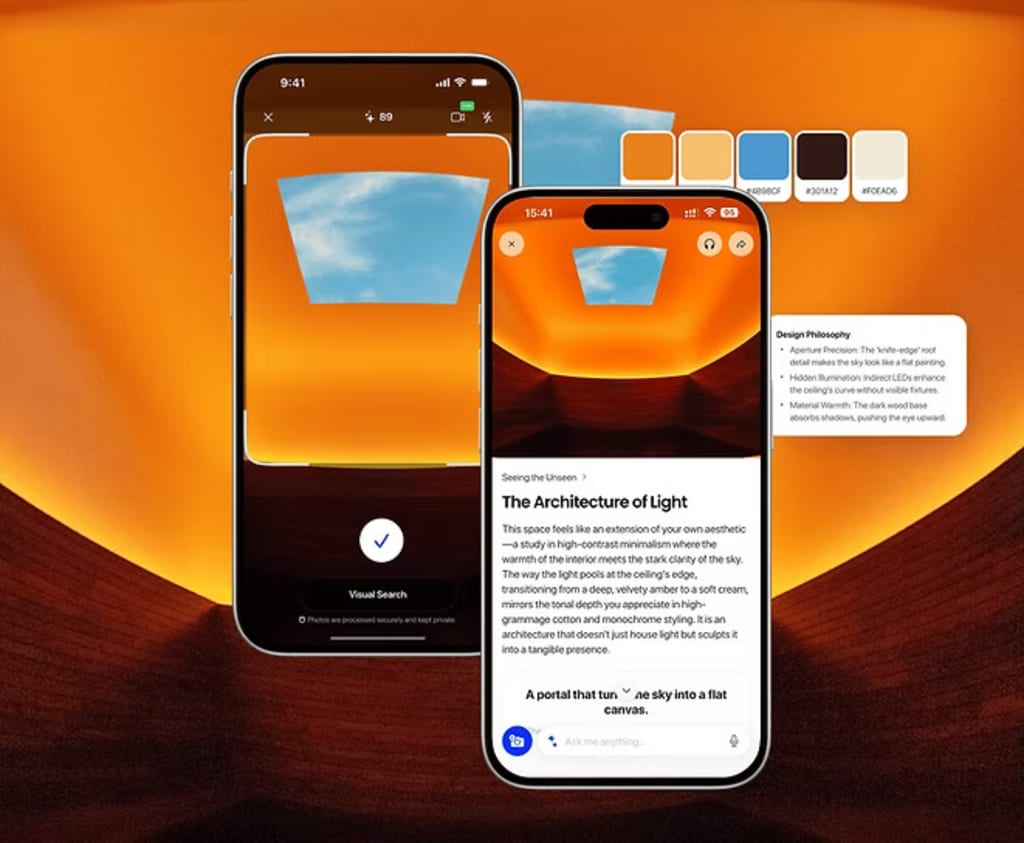
You’ve probably been in this situation before seeing an image online and wondering where it came from, whether it’s real, or how to find something similar. It could be a piece of art, a building, a product, or even a random photo someone shared.
Reverse image search helps answer those questions. But today, it’s evolving beyond just “finding matches.” With tools like Chance AI, it’s becoming more about understanding images, not just locating them.
Let’s break it down in a simple, practical way.
What Is Reverse Image Search?
Reverse image search is a way to search the internet using an image instead of text.
Instead of typing something like “modern glass building design”, you upload a photo, and the system finds:
- Similar images
- Related content
- Possible sources
But here’s the key difference today:
Modern AI tools don’t just show results, they try to explain what’s inside the image.
How Reverse Image Search Works (Simplified)
At its core, the process is still quite straightforward.
1. The Image Gets Analyzed
When you upload a photo, the system scans it for:
- Colors, textures, and shapes
- Objects (like buildings, outfits, furniture)
- Patterns and structures
This gets converted into data the system can understand.
2. It Compares Across the Internet
The system then checks billions of images to find:
- Exact matches
- Edited or cropped versions
- Visually similar images
3. It Returns Results
You’ll usually see:
- Links where the image appears
- Similar visuals
- Related categories
This is where traditional reverse image search typically stops.
Where Chance AI Changes the Experience
Most tools focus on “Where else does this image exist?”
Chance AI goes a step further and focuses on:
“What does this image actually mean?”
Instead of just showing similar images, it can help you:
- Understand the style of a building or artwork
- Identify design patterns or trends
- Break down visual elements into something meaningful
- Explore context, not just duplicates
For example:
If you upload an image of a modern house, instead of only showing similar houses, you might also understand:
- The architectural style
- Design influences
- Why it looks the way it does
This makes the experience far more useful, especially for people who aren’t sure what to even search for in words.
Real-Life Situations Where This Helps
Reverse image search becomes much more powerful when combined with AI-driven understanding.
- When You Don’t Know What You’re Looking At
You see a unique design or artwork, but don’t know how to describe it. Instead of guessing keywords, you just upload the image and explore insights.
- When You Want Something Similar
Found a product or outfit but can’t describe it properly? AI helps you move from “similar items” to actually understanding the style.
- When You’re Exploring Ideas
Whether it’s architecture, fashion, or art, you’re not just collecting images, you're learning patterns and styles behind them.
- When You Need to Verify Something
Yes, you can still check if an image is fake or reused but now you can also understand its background better.
How to Use Reverse Image Search with Chance AI
The process remains simple and beginner-friendly:
- Upload an image
- Let the AI process it
- Explore not just matches but insights
There’s no need to:
- Use perfect keywords
- Know technical terms
- Spend time guessing what to search
The image itself becomes your query.
Common Limitations (And How AI Improves Them)
Traditional reverse image search has a few limitations:
- It struggles with new or rare images
- It focuses only on visual similarity
- It doesn’t explain why images are similar
AI-driven tools improve this by:
- Interpreting image content more deeply
- Recognizing patterns beyond exact matches
- Providing context instead of just links
This shift is what makes tools like Chance AI feel more intuitive.
Why This Matters More Today
We’re surrounded by visual content:
- Social media
- Online shopping
- Digital portfolios
- AI-generated images
At the same time, it’s getting harder to:
- Verify authenticity
- Understand design or style
- Find what you’re actually looking for
Reverse image search used to solve part of the problem.
AI-enhanced image understanding solves a much bigger part.
A More Natural Way to Search
Think about how people actually explore things visually.
You don’t always think in words like:
- “minimalist Scandinavian architecture”
- “bohemian summer outfit”
You just see something and feel interested.
Chance AI aligns with that behavior.
It lets you start with an image and then builds understanding from there.
Putting it all Together
Reverse image search is no longer just a tool for finding duplicates. It’s becoming a way to explore, learn, and make sense of visual information.
For non-tech users, this is a big shift:
- Less guessing
- Less effort
- More clarity
And as AI continues to evolve, the gap between seeing something and understanding it keeps getting smaller.
That’s where the real value lies, not just in finding images, but in finally making sense of them.
About the Creator
Enjoyed the story? Support the Creator.
Subscribe for free to receive all their stories in your feed.
Comments
There are no comments for this story
Be the first to respond and start the conversation.