
How Managed IT Services Improve Cybersecurity in Saudi Arabia
Improve Cybersecurity with Managed IT Services in Saudi Arabia
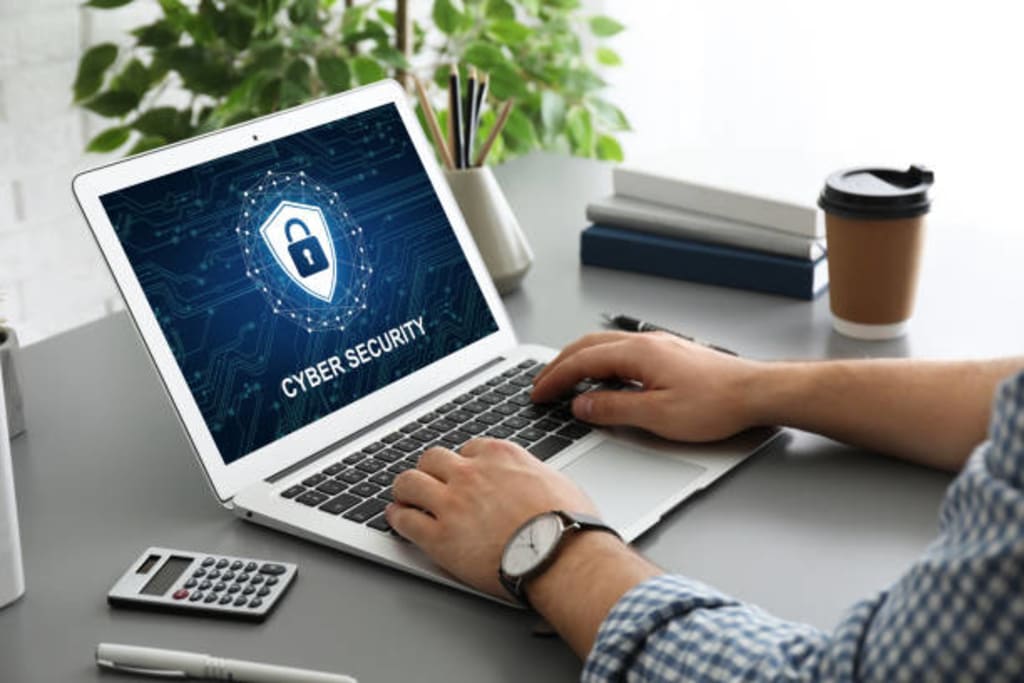
As businesses across the Kingdom embrace digital transformation, cybersecurity has become a top priority. Organizations of all sizes face increasing threats from ransomware, phishing attacks, data breaches, and other cyber risks that can disrupt operations and damage customer trust. To address these challenges, many companies are turning to IT services in Saudi Arabia to strengthen their security posture while focusing on their core business activities. Managed IT services provide proactive monitoring, expert support, and advanced security solutions that help organizations stay protected in an evolving digital landscape.
Understanding Managed IT Services
Managed IT services involve outsourcing the management and maintenance of an organization's technology infrastructure to experienced professionals. Rather than relying solely on an internal IT team, businesses partner with a managed service provider (MSP) that delivers continuous support, monitoring, maintenance, and cybersecurity management.
These services often include network monitoring, cloud management, endpoint protection, backup and disaster recovery, software updates, vulnerability assessments, and compliance management. By offering round-the-clock protection, MSPs help organizations minimize downtime and reduce the likelihood of cyber incidents.
The Growing Cybersecurity Challenges
Cybercriminals continue to develop sophisticated attack methods that target businesses across every industry. Small and medium-sized enterprises are particularly vulnerable because they often lack dedicated cybersecurity resources and advanced security technologies.
Common cyber threats include:
- Phishing attacks targeting employee credentials
- Ransomware encrypting business-critical data
- Malware infections disrupting operations
- Insider threats caused by human error
- Data breaches exposing confidential information
- Distributed Denial-of-Service (DDoS) attacks affecting availability
Without continuous monitoring and proactive security measures, these threats can result in financial losses, legal penalties, and reputational damage.
24/7 Security Monitoring
One of the biggest advantages of managed IT services is continuous security monitoring. Cyberattacks can occur at any time, making constant surveillance essential.
Managed service providers use advanced monitoring tools to detect unusual network activity, unauthorized access attempts, and suspicious behavior in real time. Instead of waiting for a problem to become severe, security experts investigate alerts immediately and take action before significant damage occurs.
This proactive approach significantly reduces response times and limits the impact of cyber incidents.
Advanced Threat Detection
Modern cyber threats often bypass traditional antivirus software. Managed IT providers implement multiple layers of security that include advanced threat detection technologies capable of identifying sophisticated attacks.
These solutions analyze user behavior, network traffic, and system activity to detect anomalies that may indicate malicious activity. Artificial intelligence and machine learning further enhance detection capabilities by identifying emerging threats before they spread throughout the network.
Early detection allows organizations to respond quickly and prevent costly disruptions.
Regular Security Updates and Patch Management
Outdated software remains one of the most common entry points for cybercriminals. Operating systems, applications, and network devices frequently receive security patches to address newly discovered vulnerabilities.
Managed IT providers ensure that updates are tested, scheduled, and deployed promptly across all business systems. Automated patch management minimizes the risk of unpatched vulnerabilities being exploited while reducing manual workload for internal teams.
Keeping systems up to date is a simple yet highly effective cybersecurity strategy.
Strong Endpoint Protection
Today's workforce often operates across multiple devices, including laptops, desktops, smartphones, and tablets. Every connected device represents a potential entry point for cyber attackers.
Managed IT services provide comprehensive endpoint security by deploying antivirus software, endpoint detection and response (EDR), encryption, device management, and access controls.
This layered protection ensures that devices remain secure regardless of whether employees work in the office, remotely, or while traveling.
Data Backup and Disaster Recovery
Cyberattacks such as ransomware can make business data inaccessible within minutes. Without reliable backups, organizations may face prolonged downtime or permanent data loss.
Managed IT providers develop automated backup strategies that securely store copies of critical business information. They also create disaster recovery plans that enable rapid restoration of systems following a cyber incident.
Regular backup testing ensures that recovery procedures work effectively when needed, helping businesses maintain continuity even during unexpected disruptions.
Employee Cybersecurity Awareness
Technology alone cannot eliminate cyber risks. Human error continues to be one of the leading causes of successful cyberattacks.
Managed IT providers often deliver cybersecurity awareness training that educates employees about recognizing phishing emails, creating strong passwords, avoiding suspicious websites, and following safe data handling practices.
Well-informed employees become an important line of defense against cyber threats and contribute to a stronger security culture throughout the organization.
Compliance and Regulatory Support
Many industries operate under strict data protection and cybersecurity regulations. Maintaining compliance requires ongoing monitoring, documentation, and implementation of security controls.
Managed IT providers assist businesses by conducting security assessments, implementing required safeguards, maintaining audit logs, and preparing documentation needed for regulatory compliance.
This support reduces compliance risks while helping organizations meet industry standards and government requirements.
Cost-Effective Cybersecurity
Building an in-house cybersecurity team can require significant investment in skilled personnel, security software, hardware, and ongoing training.
Managed IT services provide access to experienced cybersecurity professionals and enterprise-grade security technologies through a predictable monthly subscription model. Businesses gain comprehensive protection without the high costs associated with maintaining a full internal security department.
This makes advanced cybersecurity more accessible, especially for small and medium-sized businesses.
Scalable Security Solutions
Business technology needs continue to evolve as organizations expand, adopt cloud platforms, and introduce new digital services.
Managed IT services offer flexible solutions that scale alongside business growth. Whether adding new users, expanding office locations, or migrating applications to the cloud, security measures can be adjusted without major disruptions.
This scalability ensures that cybersecurity remains effective as organizational requirements change over time.
Faster Incident Response
Even with strong preventive measures, no organization is completely immune to cyber threats. Rapid incident response is essential to minimize damage.
Managed IT providers follow established incident response procedures that include identifying threats, isolating affected systems, investigating root causes, removing malicious activity, and restoring operations efficiently.
Their expertise helps businesses recover more quickly while reducing operational and financial impacts.
Supporting Digital Transformation
Organizations increasingly rely on cloud computing, remote work, artificial intelligence, and connected technologies to improve productivity and customer experiences. While these innovations create new opportunities, they also introduce additional security challenges.
Managed IT services help businesses adopt modern technologies securely by implementing secure cloud configurations, identity management, multi-factor authentication, network segmentation, and continuous risk assessments.
This enables organizations to innovate with confidence while maintaining strong cybersecurity defenses.
Conclusion
Cybersecurity has become an essential business priority in today's digital environment. As cyber threats continue to evolve, organizations need proactive, comprehensive, and scalable security strategies to protect their operations, sensitive information, and customer trust.
Managed IT services deliver continuous monitoring, advanced threat detection, endpoint protection, backup and recovery, employee training, compliance support, and rapid incident response through experienced cybersecurity professionals. By partnering with a trusted managed service provider, businesses can strengthen their security posture, reduce operational risks, and confidently pursue long-term digital growth while remaining prepared for the ever-changing cybersecurity landscape.
About the Creator
Enjoyed the story? Support the Creator.
Subscribe for free to receive all their stories in your feed.
Comments
There are no comments for this story
Be the first to respond and start the conversation.