
How Are Genomics and AI Transforming the Future of UK Biotechnology?
Growing Role of Genomics in Modern Biotechnology

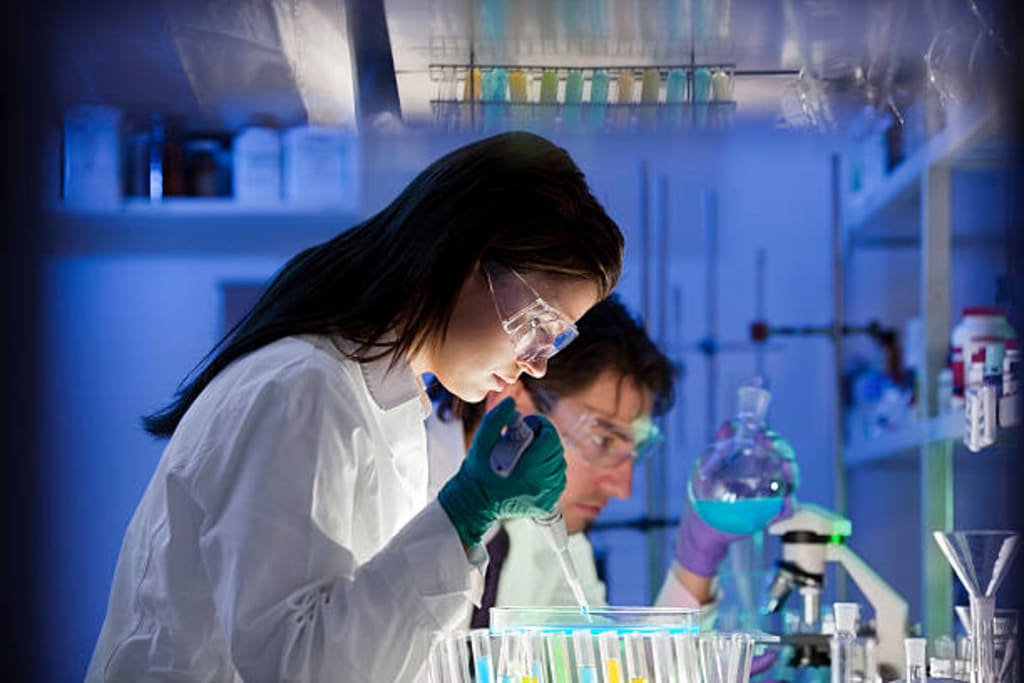
The United Kingdom has long been recognized as a global leader in life sciences, and a new wave of innovation is now reshaping the country's biotechnology landscape. At the center of this transformation are two powerful technologies - genomics and artificial intelligence (AI). Together, they are accelerating scientific discovery, improving healthcare outcomes, and opening new opportunities in drug development, personalized medicine, and agricultural biotechnology.
UK biotechnology market size was valued at USD 23.6 Billion in 2025. Looking forward, IMARC Group estimates the market to reach USD 42.9 Billion by 2034, exhibiting a CAGR of 6.65% from 2026-2034.
As researchers and biotech companies increasingly combine genomic data with advanced AI capabilities, the UK is positioning itself at the forefront of a new era of precision health and bioinnovation.
The Growing Importance of Genomics in Biotechnology:
Genomics is the study of an organism's complete set of DNA, including all of its genes. Over the last two decades, breakthroughs in sequencing technologies have dramatically reduced the cost and time required to analyze genetic information. What once took years and billions of dollars can now be accomplished within days at a fraction of the cost.
In the UK, genomics has become a cornerstone of modern biotechnology. Scientists are using genomic information to understand disease mechanisms, identify genetic mutations, and develop targeted therapies that are more effective and personalized.
The growing availability of genomic data has created unprecedented opportunities for researchers. From cancer treatment and rare disease diagnosis to infectious disease surveillance, genomics is enabling healthcare professionals to deliver more precise and data-driven solutions.
Artificial Intelligence Is Revolutionizing Biological Research:
While genomics generates enormous amounts of data, analyzing this information efficiently presents a major challenge. This is where artificial intelligence becomes indispensable.
AI technologies, including machine learning and deep learning, can process complex biological datasets much faster than traditional analytical methods. These systems can recognize patterns, predict outcomes, and uncover insights that might otherwise remain hidden.
In biotechnology, AI is helping researchers:
• Analyze genetic sequences more accurately.
• Identify disease biomarkers.
• Predict protein structures.
• Accelerate clinical trials.
• Discover new therapeutic targets.
• Improve diagnostic accuracy.
By combining computational power with biological knowledge, AI is significantly increasing research productivity and reducing the time needed to bring innovative solutions to market.
Accelerating Drug Discovery and Development:
Drug development has traditionally been an expensive and time-consuming process. Bringing a single drug to market can take more than a decade and require billions of dollars in investment. Genomics and AI are changing this paradigm.
Researchers are now using AI algorithms to analyze genomic information and identify promising drug candidates more efficiently. Machine learning models can simulate how molecules interact with proteins, helping scientists prioritize compounds with the greatest likelihood of success.
This approach offers several advantages:
• Reduced research and development costs.
• Faster identification of potential therapies.
• Improved success rates in clinical trials.
• Enhanced understanding of disease pathways.
As pharmaceutical and biotechnology companies continue to adopt AI-driven research models, the pace of innovation is expected to accelerate substantially.
Advancing Personalized Medicine:
One of the most exciting developments in modern biotechnology is the rise of personalized medicine. Unlike conventional treatments, which follow a one-size-fits-all approach, personalized medicine tailors therapies to an individual's genetic profile.
Genomics provides the blueprint, while AI helps interpret vast amounts of patient data to recommend the most suitable treatment options.
This approach offers several benefits:
• Earlier disease detection.
• More precise diagnoses.
• Improved treatment effectiveness.
• Reduced side effects.
• Better patient outcomes.
In areas such as oncology, cardiovascular disease, and rare genetic disorders, personalized medicine is already transforming healthcare delivery. As genomic databases expand and AI capabilities improve, individualized treatment strategies are expected to become increasingly common across the UK healthcare system.
Gene Editing Technologies Are Opening New Possibilities:
The emergence of advanced gene-editing tools such as CRISPR has introduced a new dimension to biotechnology. These technologies enable scientists to modify DNA with remarkable precision, creating opportunities to treat genetic disorders that were once considered incurable.
AI is enhancing gene-editing research by helping scientists:
• Predict off-target effects.
• Design more effective editing strategies.
• Analyze genetic variations.
• Optimize experimental outcomes.
The integration of AI and genomics is accelerating the development of therapies for inherited diseases, cancer, and other chronic conditions. This combination could pave the way for entirely new classes of medicines in the years ahead.
Improving Disease Diagnosis and Prevention:
Early diagnosis remains one of the most important factors in improving health outcomes. AI-powered genomic analysis is making it possible to detect diseases earlier and with greater accuracy.
Machine learning systems can analyze genetic markers and identify individuals at higher risk of developing certain conditions. This predictive capability enables healthcare providers to implement preventive measures before symptoms even appear.
Applications include:
• Cancer screening.
• Cardiovascular risk assessment.
• Rare disease detection.
• Infectious disease monitoring.
• Neurological disorder prediction.
Preventive healthcare strategies supported by genomics and AI have the potential to reduce healthcare costs while improving quality of life for millions of people.
Transforming Agricultural Biotechnology:
The impact of genomics and AI extends beyond healthcare. Agricultural biotechnology is also experiencing significant advancements.
Researchers are using genomic technologies to develop crops that are:
• More resistant to pests and diseases.
• Better adapted to changing climates.
• Higher yielding.
• More resource efficient.
Artificial intelligence supports these efforts by analyzing environmental data, predicting crop performance, and optimizing breeding programs.
These innovations are helping improve food security while promoting sustainable agricultural practices. As climate change continues to present challenges to global food production, biotechnology will play an increasingly important role in ensuring long-term resilience.
Strengthening the UK's Innovation Ecosystem:
The United Kingdom benefits from a strong biotechnology ecosystem supported by world-class universities, research institutions, government initiatives, and private investment.
Several factors are contributing to continued growth:
Government Support
Public funding programs and research incentives are encouraging innovation across the biotechnology sector. Strategic investments in genomics and AI are helping establish the UK as a global center for life sciences.
Thriving Startup Environment
Biotechnology startups are attracting increasing levels of venture capital and investment. These companies are developing cutting-edge technologies and commercializing breakthroughs across healthcare, diagnostics, and agriculture.
Collaboration Between Academia and Industry:
Partnerships between universities, hospitals, and biotech companies are accelerating the translation of scientific discoveries into practical applications. Such collaborations are essential for maintaining the UK's competitive advantage.
Advances in Bioinformatics
Bioinformatics - the science of analyzing biological data - continues to evolve rapidly. Improvements in cloud computing, data analytics, and AI infrastructure are enabling researchers to manage increasingly complex genomic datasets efficiently.
Challenges That Remain
Despite tremendous progress, several challenges need to be addressed.
Data Privacy and Security
Genomic information is highly sensitive. Protecting patient privacy and ensuring secure data management remain top priorities.
Regulatory Considerations:
Emerging technologies such as gene editing and AI-based diagnostics require robust regulatory frameworks to ensure safety and ethical use.
Skills Shortages
The biotechnology sector requires professionals with expertise in biology, genetics, computer science, and data analytics. Developing a skilled workforce will be critical for sustaining future growth.
Ethical Issues
Questions surrounding genetic modification, data ownership, and responsible AI usage will require ongoing dialogue among scientists, policymakers, and society.
Looking Ahead:
The convergence of genomics and artificial intelligence represents one of the most transformative developments in modern biotechnology. These technologies are redefining how diseases are diagnosed, how medicines are developed, and how healthcare is delivered.
For the United Kingdom, this convergence presents enormous opportunities. Continued investments in research, innovation, and digital infrastructure are likely to strengthen the country's position as a global biotechnology powerhouse.
As genomics and AI become increasingly interconnected, their combined impact will extend far beyond laboratories and hospitals. From personalized medicine and precision health to sustainable agriculture and future therapeutics, these technologies are shaping a smarter, healthier, and more resilient future.
About the Creator
Enjoyed the story? Support the Creator.
Subscribe for free to receive all their stories in your feed.
Comments
There are no comments for this story
Be the first to respond and start the conversation.