
Guide to Business Process Transformation and Effective Strategies
Business process transformation services entail restructuring core processes, systems, and technology for enhanced efficiency, productivity, and customer satisfaction. This guide offers crucial steps and strategies.
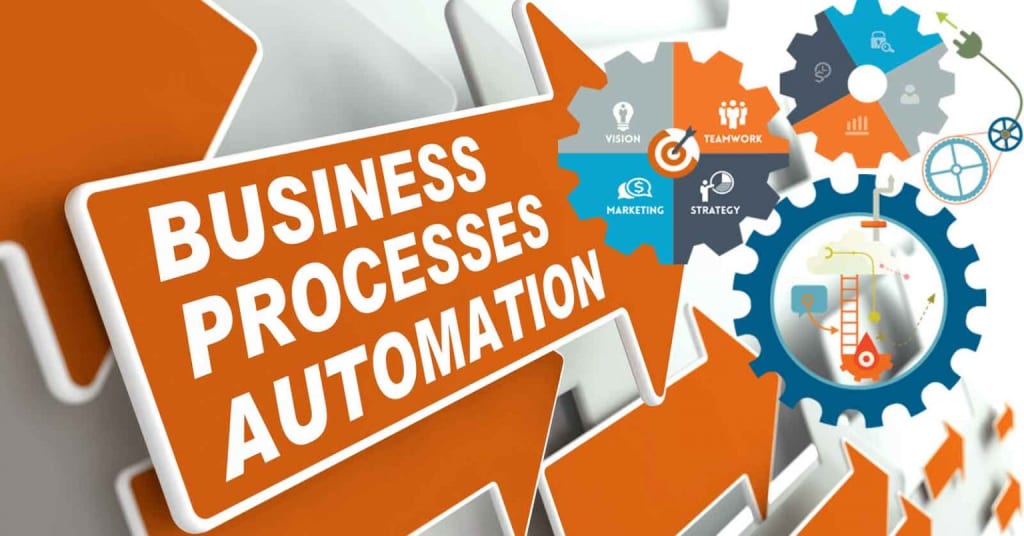
Business process transformation services is a fundamental restructuring of an organization's core processes, systems, and technology to achieve significant improvements in efficiency, productivity, and customer satisfaction. It involves rethinking existing workflows, identifying bottlenecks, and implementing innovative strategies to streamline operations. To successfully embark on a business process transformation journey, organizations need to follow a systematic approach and employ effective strategies. This guide outlines key steps and strategies for a successful business process transformation services.
Assess Current Processes: Begin by conducting a comprehensive assessment of your current business processes. Identify inefficiencies, redundancies, and areas that require improvement. Engage key stakeholders, including employees, to gain a deep understanding of the pain points and challenges they face in executing processes. This assessment phase provides a solid foundation for the subsequent steps in the transformation process.
Based on the assessment conducted in this step, redesign your business processes to eliminate inefficiencies and optimize workflows. Use process mapping techniques to visualize current processes, identify bottlenecks, and design future state processes. Involve employees from different departments in this redesign process to gain diverse perspectives and ensure buy-in.
Set Clear Objectives: Define clear objectives and outcomes for your business process transformation services. Align these objectives with your organization's overall strategic goals. These objectives could include improving customer satisfaction, reducing costs, increasing operational efficiency, or enhancing agility. Clear objectives will help guide decision-making throughout the transformation journey and provide a benchmark for measuring success.
Technology plays a vital role in business process transformation services. Identify technology solutions that can automate and streamline your processes. This could contain implementing enterprise resource planning (ERP) systems, customer relationship management (CRM) software, or robotic process automation (RPA) means. Invest in technology that suits with your goals and has the possibility to deliver substantial improvements in efficiency and productivity.
Foster a Culture of Continuous Improvement: Business process transformation is an ongoing journey, not a one-time event. Encourage employees to actively identify and suggest process improvements. Establish mechanisms for feedback and regularly review the effectiveness of the transformed processes. This culture of continuous improvement ensures that your organization remains agile and adaptable to changing business needs.
Effective communication and training are crucial for successful process transformation. Communicate the objectives, benefits, and expectations of the transformation initiative to all stakeholders. Provide comprehensive training programs to equip employees with the necessary skills and knowledge to execute the new processes. Regularly communicate progress updates and celebrate milestones to maintain engagement and motivation.
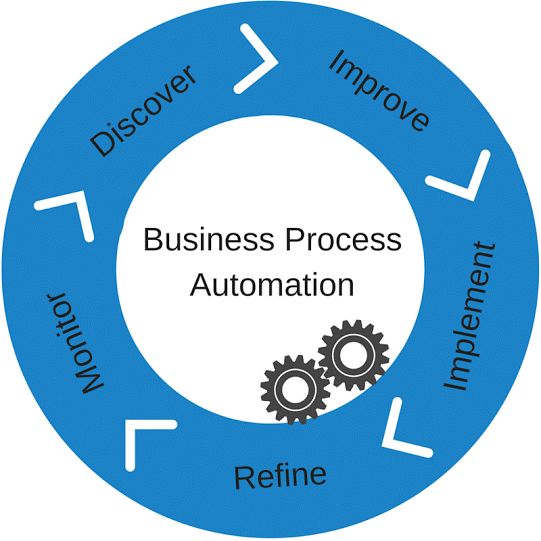
Business process transformation offers numerous benefits to organizations aiming to improve their operations and achieve strategic objectives. Some key benefits include:
1.Increased Efficiency: By reviewing and redesigning operations, organizations can eradicate unnecessary steps, relieve bottlenecks, and optimize workflows. This leads to increased efficiency and productivity, allowing employees to accomplish more in less time.
2.Cost Reduction: Streamlining procedures can result in cost savings through the elimination of redundant activities, improved resource allocation, and increased automation. By identifying and eliminating wasteful practices, organizations can allocate resources more effectively and reduce operational expenses.
3.Enhanced Customer Experience: Business process transformation services enables organizations to deliver better customer experiences. By eliminating process inefficiencies and implementing customer-centric strategies, organizations can improve response times, minimize errors, and provide a seamless experience across touchpoints.
4.Agility and Adaptability: Transforming business processes enables organizations to become more agile and adaptable to changing market conditions. By optimizing workflows and adopting flexible technologies, organizations can respond quickly to customer demands, market trends, and competitive pressures.
5.Improved Decision-Making: Business process transformation often involves the implementation of data-driven approaches and technologies. By collecting and analyzing relevant data, organizations can make informed decisions, identify trends, and uncover opportunities for improvement.

Conclusion
By following these steps and strategies, organizations can effectively navigate the complex process of business process transformation services. Embrace the opportunity to rethink and optimize your operations, leverage technology, and foster a culture of continuous improvement. A successful transformation initiative by Katpro can drive significant improvements in efficiency, productivity, and customer satisfaction, positioning your organization for long-term success in today's competitive business landscape.
About the Creator
Enjoyed the story? Support the Creator.
Subscribe for free to receive all their stories in your feed.
Comments
There are no comments for this story
Be the first to respond and start the conversation.