
Green Ammonia Market Thrives Amid Industrial Decarbonization Efforts
How renewable hydrogen production, decarbonization goals, and clean energy investments are accelerating adoption and commercialization across the global green ammonia market

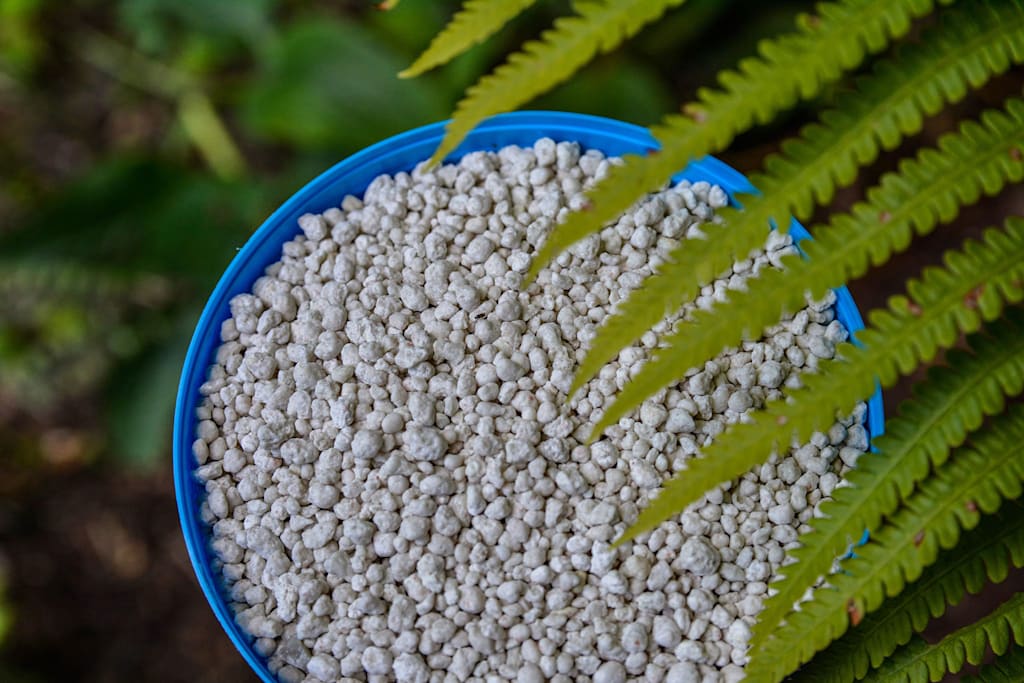
Accelerating industrial decarbonization, expanding renewable energy infrastructure, and a surging demand for zero-emission marine fuels are driving the global adoption of green ammonia. This growth is heavily supported by national clean energy strategies, substantial cross-border trade agreements, and large-scale manufacturing advancements. According to IMARC Group’s latest data, the global green ammonia market size was valued at USD 722.0 Million in 2025. Looking forward, IMARC Group estimates the market to reach USD 46,630.8 by 2034, exhibiting a CAGR of 58.90% during 2026-2034.
Green ammonia now represents a rapidly scaling global market sector, marking a fundamental shift away from fossil-fuel-dependent chemical synthesis. Demand is driven heavily by the urgent need to decarbonize hard-to-abate sectors, particularly commercial agriculture and international shipping, which traditionally rely on highly polluting natural-gas-based production methods. Unprecedented public funding, national revenue-support schemes, and corporate net-zero targets are rapidly bringing utility-scale production plants online.
Download the Latest Green Ammonia Market Research Report Today!
Green Ammonia Market Growth Drivers:
- Urgent Global Push for Industrial Decarbonization
Heavy industries are facing intense pressure to drastically curb greenhouse gas emissions, pushing green ammonia into the spotlight as an alternative to conventional chemical production. Traditional steam methane reforming generates immense carbon footprints, whereas utilizing renewable-powered electrolysis delivers a virtually carbon-free lifecycle. Major economies are backing this transition with massive financial commitments, such as India’s targeted deployment to build hundreds of gigawatts of non-fossil energy capacity. This shift allows large-scale chemical processors and industrial manufacturers to achieve strict regulatory compliance while maintaining high-volume production outputs without environmental penalties.
- Rapid Expansion of Zero-Carbon Maritime Fuels
The international shipping industry is actively seeking viable pathways to hit net-zero goals, positioning green ammonia as a primary contender for deep-sea cargo fleets. Because liquid hydrogen requires extreme cryogenic cooling, ammonia offers far superior volumetric energy density and significantly simpler transport logistics. Commercial maritime giants are committing to massive multi-vessel orders equipped with dual-fuel engines designed to burn thousands of tons annually. This clear, predictable corporate demand creates a reliable off-take market, prompting massive infrastructure developments at critical shipping lanes and global refueling ports to accommodate alternative fuel bunkering.
- Strategic Integration with Renewable Energy Grids
Grid operators increasingly utilize green ammonia to solve the inherent intermittency challenges of large-scale solar and wind power installations. When production peaks exceed localized demand, excess electricity is routed to high-capacity water electrolyzers to synthesize ammonia, essentially storing chemical energy for long-duration applications. This dynamic energy storage medium can be easily transported across continents or converted back into electricity during periods of low renewable output. Consequently, major clean energy consortia are building integrated wind and solar farms directly connected to dedicated synthesis plants to maximize overall operational efficiency.
Green Ammonia Market Trends:
- Deployment of Next-Generation High-Efficiency Electrolyzers
Project developers are shifting rapidly toward advanced solid oxide electrolysis cell technology to optimize large-scale green ammonia production economics. Compared to legacy alkaline systems, these high-temperature electrolyzers reduce overall electricity consumption by up to thirty percent by integrating waste heat directly from the ammonia synthesis loop. This superior thermodynamic efficiency significantly lowers the long-term cost of hydrogen production, which typically represents the largest operational expense. As a result, global engineering firms are prioritizing commercial-scale installations of these high-performance units to improve plant economics and ensure price-competitiveness with fossil fuels.
- Emergence of Global Export Hubs and Strategic Off-Take Routes
The market is shifting from local pilot projects toward massive, export-oriented production corridors located in areas with exceptional solar and wind resources. Developing nations along the Atlantic and Indian Ocean coasts are leveraging consistent coastal winds to secure decade-long supply contracts with energy-importing regions like Western Europe and East Asia. By utilizing existing liquid-bulk maritime infrastructure and ISO tank containers, these emerging hubs can bypass expensive pipeline networks completely. This trend ensures long-term volume stability for international buyers while locking in competitive pricing for heavy industrial consumers.
- Implementation of National Price-Floor and Subsidy Mechanisms
Governments are enacting robust revenue-support frameworks to bridge the initial price gap between green ammonia and cheap, natural-gas-derived alternatives. Targeted capital grants, tax incentives, and minimum price guarantees provide project developers with financial security, accelerating final investment decisions for multi-billion-dollar facilities. In regions like the United Kingdom and continental Europe, these market-matching mechanisms allow domestic operators to scale up production capacities securely. This widespread legislative backing de-risks early-stage projects and attracts significant institutional private capital to expand global manufacturing facilities.
Recent News and Developments in Green Ammonia Market
- January 2026: In Kakinada, India, clean energy developer AM Green officially commenced construction on a massive green hydrogen-based ammonia facility boasting a target capacity of 1.5 million tonnes per annum. The megaproject integrates an expansive infrastructure setup, including 1.95 gigawatts of alkaline electrolyzers backed by 7.5 gigawatts of dedicated renewable energy sources and a 2-gigawatt pumped storage system to guarantee continuous, stable operational uptime.
- February 2026: Egypt and the European Union expanded their strategic energy partnership by signing two comprehensive grant agreements valued at over EUR 124 million. A dedicated allocation of EUR 34.3 million from this funding package was explicitly directed to accelerate the Sokhna Green Ammonia project, utilizing Egypt's abundant solar assets to synthesize renewable hydrogen for direct conversion into clean marine and industrial export fuels.
- June 2026: AM Green finalized a high-profile Memorandum of Understanding with the VO Chidambaranar Port Authority to establish a second major 1 million-tonne-per-year green ammonia project in Tamil Nadu, India. The coastal development is specifically designed to anchor alternative fuel shipping pathways connecting South Asia with major import markets across Europe and the Asia-Pacific region, introducing low-carbon bunkering and methanol capabilities to the port infrastructure.
Note: If you require specific details, data, or insights that are not currently included in the scope of this report, we are happy to accommodate your request. As part of our customization service, we will gather and provide the additional information you need, tailored to your specific requirements. Please let us know your exact needs, and we will ensure the report is updated accordingly to meet your expectations.
About the Creator
Andrew Sullivan
Hello, I’m Andrew Sullivan. I have over 9+ years of experience as a market research specialist.
Enjoyed the story? Support the Creator.
Subscribe for free to receive all their stories in your feed.
Comments
There are no comments for this story
Be the first to respond and start the conversation.