
Global Pasta Market Set to Reach $124 Billion by 2034 as Consumers Embrace Healthier, Premium, and Convenient Meal Solutions
From gluten-free innovation to fresh pasta production, changing consumer preferences are reshaping one of the world's most enduring food categories.

Pasta has long been one of the world's most beloved comfort foods. Whether served as a simple weeknight dinner, a gourmet restaurant dish, or a quick meal for busy families, its versatility and affordability have made it a staple across continents. Yet today's pasta industry is evolving far beyond traditional spaghetti and penne.
Consumers are increasingly seeking healthier ingredients, premium experiences, fresh products, and dietary-friendly alternatives. As a result, manufacturers are innovating rapidly to meet changing expectations while maintaining the convenience and flavor that have made pasta popular for generations.
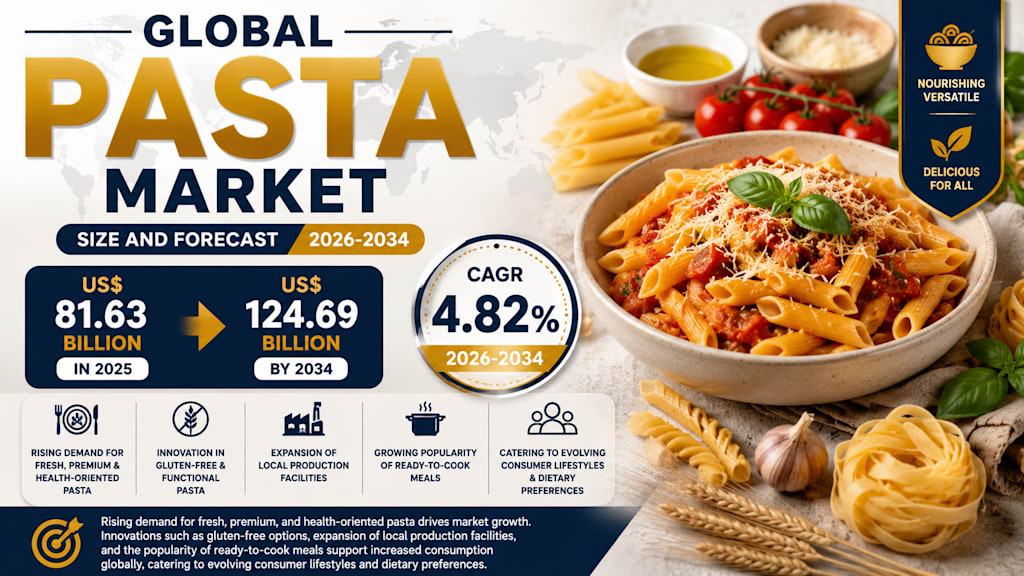
According to Renub Research, the Global Pasta Market is expected to grow from US$81.63 billion in 2025 to US$124.69 billion by 2034, expanding at a compound annual growth rate (CAGR) of 4.82% between 2026 and 2034. This growth reflects a combination of shifting dietary habits, product innovation, expanding production capabilities, and rising demand for convenient meal solutions worldwide.
As food preferences continue to evolve, the humble pasta dish is becoming a symbol of how traditional foods can successfully adapt to modern lifestyles.
Why Pasta Continues to Thrive in Modern Kitchens
Despite the emergence of countless food trends over the past decade, pasta remains remarkably resilient. Its enduring appeal lies in its unique ability to satisfy multiple consumer needs simultaneously.
Pasta is affordable, easy to prepare, highly versatile, and compatible with a wide variety of ingredients and cuisines. Consumers can create simple meals in minutes or elevate pasta into gourmet culinary experiences.
In today's fast-paced world, convenience is a significant factor driving food purchases. Busy professionals, students, and families increasingly seek meal options that require minimal preparation without sacrificing quality or taste.
Pasta fits perfectly into this demand. It offers long shelf life, quick cooking times, and endless customization possibilities. Whether paired with vegetables, seafood, meat, cheese, or plant-based ingredients, it remains one of the most adaptable foods available.
At the same time, consumers are becoming more health-conscious, prompting manufacturers to rethink traditional recipes and introduce products that align with evolving dietary preferences.
The Rise of Fresh Pasta
One of the most important trends shaping the global pasta market is the growing popularity of fresh pasta.
Historically, dried pasta dominated retail shelves due to its affordability and long shelf life. However, consumers are increasingly willing to pay premium prices for products that deliver superior taste, texture, and quality.
Fresh pasta offers a restaurant-style experience that many shoppers now seek at home. Its softer texture, enhanced flavor profile, and shorter cooking times appeal to consumers looking for convenient yet elevated meal options.
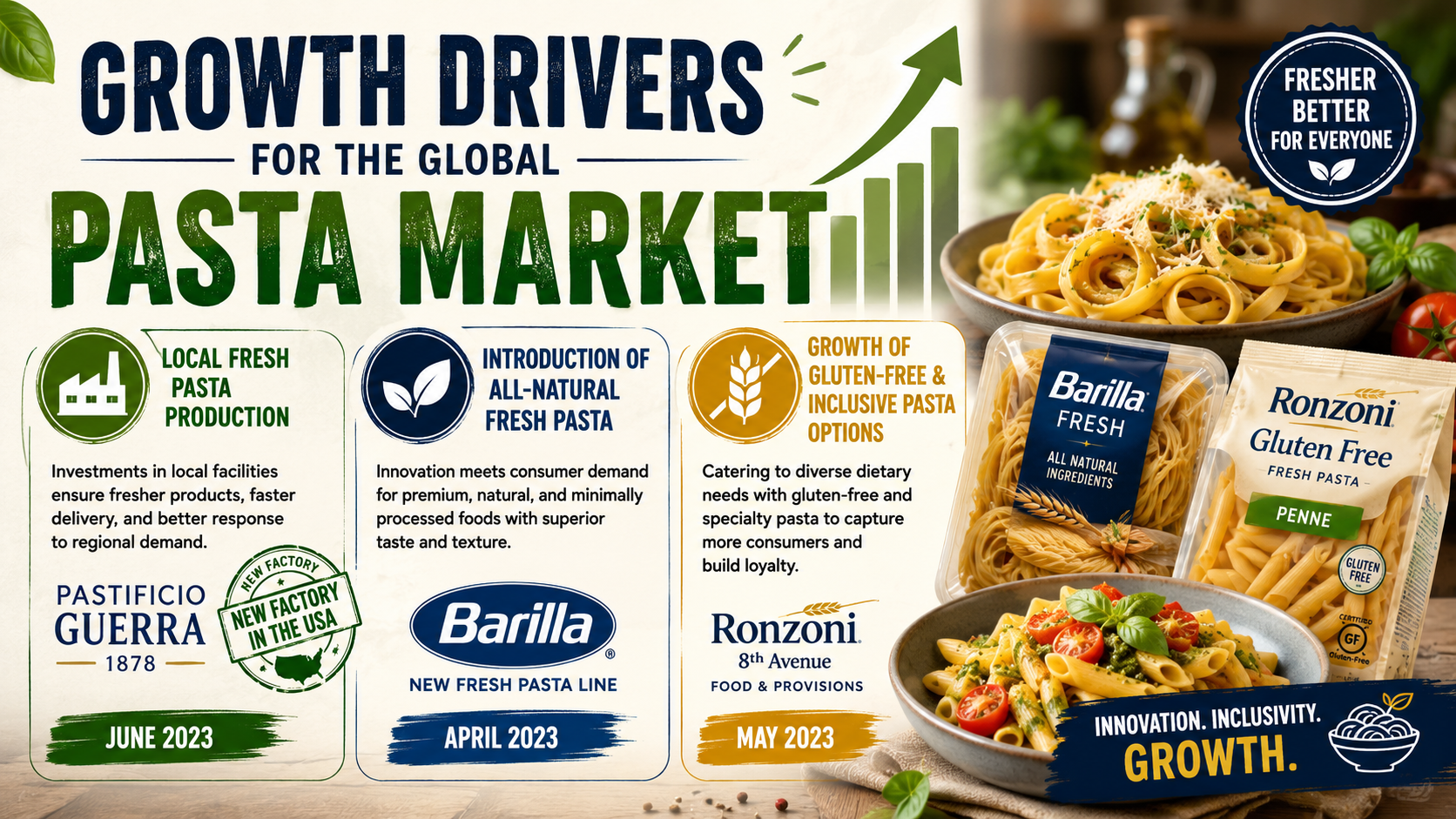
Recognizing this trend, major industry players have invested heavily in fresh pasta innovation. In 2023, Barilla introduced a new fresh pasta range in the United States featuring all-natural ingredients and popular varieties such as spaghetti, penne, and fettuccine. The move highlighted growing demand for premium products that combine convenience with authentic culinary experiences.
Fresh pasta's success reflects a broader shift toward quality-focused food consumption, where consumers increasingly prioritize taste, authenticity, and ingredient transparency.
Local Production Is Changing the Competitive Landscape
Another major factor contributing to market growth is the expansion of local manufacturing facilities.
Food companies are increasingly investing in regional production to improve freshness, reduce transportation costs, and respond more effectively to local consumer preferences.
A notable example is Pastificio Guerra's decision to establish its first United States factory dedicated to fresh pasta production. By manufacturing closer to consumers, companies can shorten supply chains, maintain product quality, and improve delivery efficiency.
Local production also supports sustainability goals by reducing transportation-related emissions and allowing brands to respond more quickly to emerging market trends.
For consumers, the benefits include fresher products and greater availability. For manufacturers, localized production creates opportunities for stronger brand presence and improved customer satisfaction.
As global food supply chains continue to face disruptions and rising costs, local production strategies are becoming increasingly valuable.
Health-Conscious Consumers Are Driving Innovation
The modern consumer is paying closer attention to nutrition than ever before.
As awareness of food sensitivities, dietary restrictions, and wellness goals grows, demand for healthier pasta alternatives continues to rise. This trend has encouraged manufacturers to diversify their product portfolios and cater to a wider range of dietary needs.
Gluten-free pasta has become one of the fastest-growing segments within the category. Individuals with celiac disease, gluten intolerance, or lifestyle-driven dietary preferences are actively seeking products that allow them to enjoy traditional pasta dishes without compromise.
Recognizing this opportunity, companies such as 8th Avenue Food & Provisions expanded their offerings by introducing gluten-free pasta varieties designed to meet evolving consumer expectations.
Whole-grain pasta, high-protein options, organic ingredients, and plant-based formulations are also gaining popularity as consumers prioritize healthier eating habits.
These innovations demonstrate how the industry is adapting to modern wellness trends while preserving the familiarity and convenience that consumers expect.
Protein-Enriched and Functional Foods Gain Momentum
The growing demand for functional foods is creating exciting opportunities within the pasta market.
Consumers increasingly seek products that provide nutritional benefits beyond basic sustenance. Protein-rich foods, in particular, have become highly desirable among fitness enthusiasts, health-conscious shoppers, and busy individuals looking for balanced meals.
In 2024, EQUII entered the pasta category with protein-packed macaroni and cheese and rigatoni products designed to deliver enhanced nutritional value while maintaining convenience and taste. This move reflects broader industry efforts to combine indulgence with health benefits.
As nutritional awareness continues to increase globally, functional pasta products are expected to become a major growth segment.
Manufacturers that successfully blend flavor, convenience, and nutrition will likely gain a competitive advantage in the coming years.
Convenience Remains a Powerful Market Driver
Modern lifestyles continue to shape food purchasing decisions.
Consumers increasingly prefer meal solutions that minimize preparation time while delivering satisfying results. This demand has fueled growth across ready-to-cook, pre-packaged, and quick-preparation food categories.
Pasta naturally aligns with these preferences. Most varieties require only a few minutes of cooking and can be incorporated into a wide range of recipes.
Additionally, advancements in packaging, preservation techniques, and product development have expanded the convenience factor even further. Fresh pasta, ready-made sauces, microwaveable meals, and meal kits are making pasta more accessible to consumers with limited time.
Urbanization, dual-income households, and changing work patterns continue to reinforce the appeal of convenient meal solutions, ensuring strong demand for pasta products across both developed and emerging markets.
Challenges Facing the Global Pasta Industry
While growth prospects remain strong, the industry also faces several important challenges.
One of the most significant concerns is dependence on raw materials. Wheat remains the primary ingredient for most pasta products, making manufacturers vulnerable to fluctuations in agricultural commodity prices.
Extreme weather events, transportation disruptions, geopolitical conflicts, and supply chain instability can all affect wheat availability and production costs. Specialty ingredients used in gluten-free, organic, or premium pasta products can further increase expenses.
These cost pressures can reduce profit margins or force manufacturers to increase retail prices, potentially affecting consumer demand.
The market also faces intense competition. Global brands compete alongside regional producers and private-label offerings, creating a crowded marketplace where differentiation is increasingly difficult.
Consumer preferences are evolving rapidly, requiring companies to invest continuously in research, development, and marketing. Brands that fail to innovate risk losing relevance in an industry driven by changing tastes and dietary trends.
Regional Markets Are Expanding at Different Speeds
Although pasta originated in Italy, its popularity has spread worldwide, creating unique growth opportunities across diverse regions.
In the United States, demand for fresh, premium, and gluten-free products continues to support market expansion. Consumers increasingly value convenience, quality, and health-focused innovations.
Germany's market benefits from growing interest in organic, whole-grain, and environmentally responsible products. Sustainability and eco-friendly packaging are becoming key purchasing considerations.
China is emerging as one of the most promising growth markets due to urbanization, rising disposable incomes, and increasing exposure to Western culinary traditions. Younger consumers are driving demand for premium and innovative pasta products.
Meanwhile, Saudi Arabia's market is benefiting from changing lifestyles, expanding retail infrastructure, and growing interest in international cuisine. Premium and specialty pasta offerings are gaining traction among consumers seeking convenient meal solutions.
These regional dynamics highlight the importance of localized strategies and product customization in achieving global success.
Product Innovation Continues to Shape the Future
One of the defining characteristics of today's pasta market is its commitment to innovation.
Recent product launches demonstrate how brands are finding creative ways to engage consumers while expanding category appeal.
Barilla introduced a festive seasonal pasta shape called "Snowfall" to create memorable dining experiences during the holiday season. Meanwhile, Realfoods Organico launched seven new organic pasta varieties focused on artisanal production methods and premium quality. Parfetts expanded its Go Local range with affordable pasta offerings designed for mainstream consumers.
These developments illustrate how companies are balancing tradition with innovation, offering products that cater to both nostalgic preferences and modern consumer demands.
The ability to continuously reinvent a centuries-old food category remains one of the industry's greatest strengths.
Final Thoughts
The global pasta market is proving that even the most traditional food categories can evolve successfully in response to changing consumer expectations.
With the market projected to reach US$124.69 billion by 2034, growth is being fueled by a powerful combination of premiumization, health-conscious eating, convenience, and product innovation. Fresh pasta, gluten-free alternatives, protein-enhanced offerings, and localized production strategies are helping manufacturers connect with a new generation of consumers.
While challenges such as raw material volatility and intense competition remain, the industry's adaptability positions it for continued success. Companies that embrace innovation while maintaining quality and authenticity will be best equipped to thrive in the years ahead.
For consumers, the future of pasta looks increasingly diverse, nutritious, and exciting. What began as a simple staple food is rapidly becoming a platform for culinary creativity, wellness-focused innovation, and global market growth.
About the Creator
Enjoyed the story? Support the Creator.
Subscribe for free to receive all their stories in your feed.
Comments
There are no comments for this story
Be the first to respond and start the conversation.