
Global Pasta Market Growth: Why This Everyday Food Still Matters
A closer look at consumer trends, regional demand, and the future of a $26 billion industry

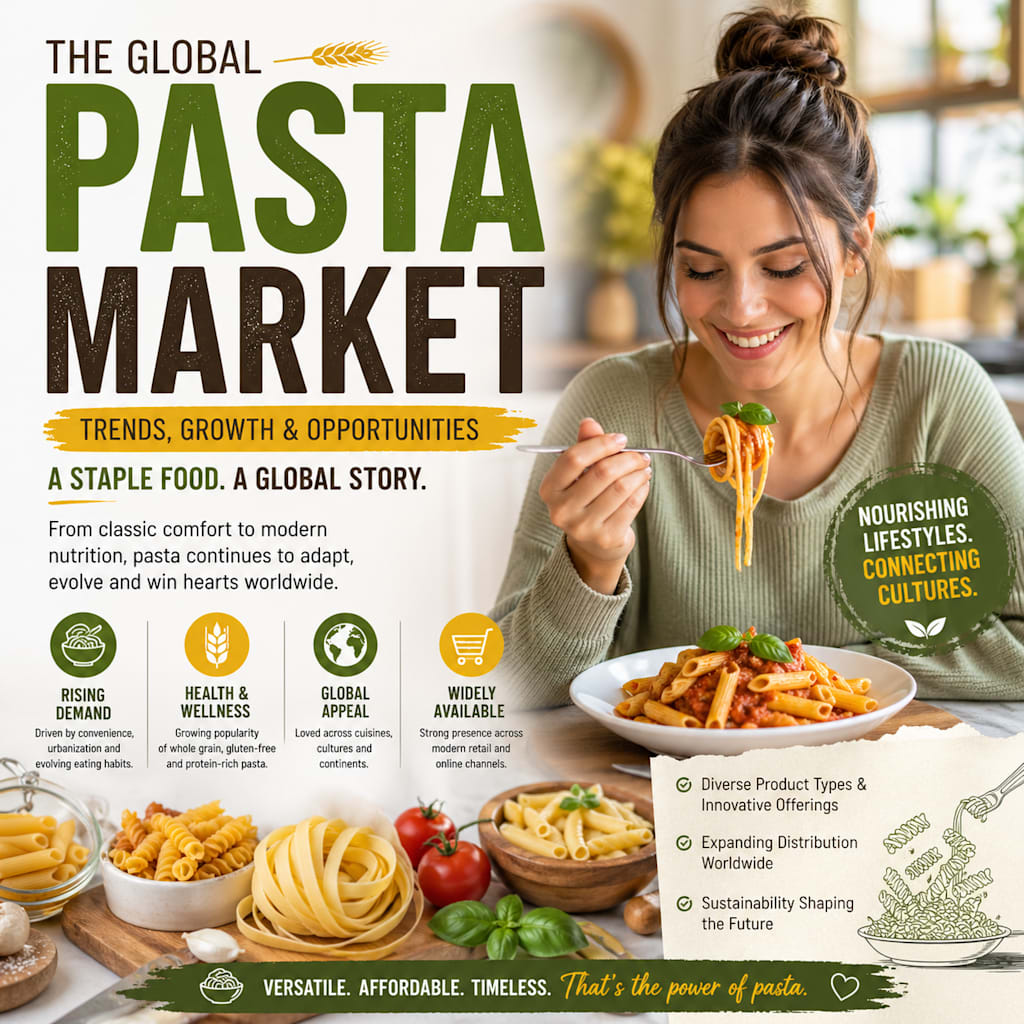
Fads have come and gone in the world of food‚ from the low-carb ketogenic diet to the plant-based vegan movement‚ but one mainstay sits on tables across the globe: pasta․
Pasta‚ simple and inexpensive‚ has adapted to modern lifestyles and tastes‚ to the cuisines of the world; it is becoming a modern health food‚ a healthy food‚ world food‚ and the future food․
Yet behind this daily commodity is a growing‚ global market that reflects how we eat‚ live and make food choices in the modern world․
A Market of Stability‚ Not Speculation
The global pasta market size was valued at approximately USD 23․8 billion in 2025 and is projected to reach USD 26․6 billion by 2034․
This marked a modest but steady increase of about 1․2 percent per year․
Pasta's growth is not a trend which has future prospects before being knocked down by the next wave of consumption patterns‚ but it is an everyday consumption without the connotation of a luxury or seasonality․ Indeed‚ pasta is present in homes all over the world․
No other market is as stable‚ with slow growth and few periods of decline․
Why pasta continues to thrive in modern lifestyles
Pasta has persisted in all its forms because it fits easily into the lives of modern people․
As people have less time to cook because of busy schedules‚ they are looking for:
- Quick to prepare
- Affordable
- Filling and satisfying
But pasta can do all of those․
From quick weeknight dinners to more complex preparations‚ pasta can be ready in minutes and the possibilities for ingredients and cuisines are endless․
It remains one of the easiest meals to prepare for students‚ working people and families․
The Shift Toward Healthier Pasta Options
Pasta has long been considered a comfort food‚ but tastes are changing․
Shrinking portions and growing nutrition demand: Health-conscious consumers today are looking for nourishing products that fit into their diets․ This has led to:
- Whole-grain pasta
- Gluten-free alternatives
- High-protein‚ low-carbohydrate version also available
- Organic and clean-label products
In response‚ brands are branching out‚ creating healthier options‚ and making pasta more appealing to those outside the health community․
Instead of being seen as a "heavy" food‚ pasta is being positioned as a well-balanced meal that can be customized․
Sustainability Is Becoming a Consideration
The modern consumer is not only conscious of what they are eating but how it is produced․
This has resulted in an increasing demand for:
- Sustainable sourcing of ingredients
- Eco-friendly packaging
- Ethical production practices
Today‚ many brands of pasta claim to focus on sustainability and environmentalism in their sourcing of wheat‚ and/or packaging waste․
These changes are also allowing companies to connect with environmentally conscious consumers and build brand trust․
The Global Influence of Changing Food Cultures
Growing interest in international cuisine has also factored into the demand for more pasta types․
In a world of globalization‚ as cultures and cuisines become more transfused‚ pasta has become ubiquitous and is also a source of culinary invention․
Pasta can also be used in Asian noodle dishes or in fusion foods influenced by one or several cuisines․
This global experimentation is keeping the category fresh and relevant‚ especially to younger consumers․
Urbanization and population growth are driving demand
Increasing urban populations and population growth elsewhere have also changed the way people consume food․
Urban lifestyles often demand:
- Convenience
- Affordability
- Long shelf life
Pasta‚ too‚ fit in naturally with this․
This makes it light‚ affordable‚ and accessible to low- and mid-income groups‚ which has contributed to this model's huge popularity in rapidly growing urban areas․
As cities have grown‚ so have the needs for practical food; pasta is one of the most easily stored of these․
Regional Insights: Where Pasta Is Leading and Growing
Different regions of the world are shaping the pasta market․
Europe: The Cultural Stronghold
Europe continues to dominate the pasta market in terms of production and consumption largely because of historical traditions of pasta as a food staple and variety․
The region is also known for its manufacturing skill and product innovations․
North America: Premium and Convenience-Driven Growth
In the United States and Canada‚ pasta consumption is driven by a demand for:
- Premium and artisanal products
- Organic and specialty pasta
- Convenient meal solutions
This has also been helped by the rise of e-commerce and online grocery stores․
Asia-Pacific: A Rapidly Expanding Market
The Asia-Pacific region is experiencing an increase in urbanization and exposure to Western-style foods․
Pasta is increasingly popular among a younger demographic who want quick meals with more variety․ Food delivery services have helped pasta recipes propagate widely in metropolitan areas․
Emerging Markets: Changing Diets and Rising Incomes
The rise in consumer incomes is leading to greater exposure to international food choices‚ thereby shaping dietary patterns in Latin America and the Middle East․
The increasing willingness of consumers to try new food products‚ including the consumption of pasta is expected to drive market growth․
Innovation Is Keeping the Market Alive
Innovation is still a key differentiator in a mature market․
Companies are continuously introducing:
- New pasta shapes and textures
- Unique flavor combinations
- Nutritionally improved products
- Ready-to-cook and ready-to-eat solutions
Other ways to differentiate a brand in markets with many competitors are through collaborations‚ limited edition products and creative marketing․
Role of the retailer and online marketplace
Distribution channels are another factor in market growth․
Supermarkets and hypermarkets continue to dominate the retail landscape due to their wide assortment and convenient locations‚ while online formats‚ which tend to cater to niche or premium products‚ have grown rapidly․
A blend of customary retail and digital channels is expanding the international availability of pasta products․
Looking Ahead
While growth rates in the global pasta market may not be dramatic over time‚ it is considered to be stable․
Similar to other food sectors‚ pasta is changing according to the lifestyles of consumers‚ featuring healthier‚ more environmentally friendly and more varied products․
Its ability to balance tradition with innovation ensures its relevance across generations․
In 2034‚ it is expected to exceed USD 26 billion‚ and it remains one of the most stable and enduring sections of the global food market․
Final Thoughts
The pasta boom‚ unlike the booms we are accustomed to in food‚ was steady․
It feeds millions daily and is constantly adapting to changing tastes‚ while staying true to its key flavors․
In the ever-changing world of food‚ that kind of consistency is hard to find․
And that is just why the pasta market continues to grow‚ silently‚ steadily‚ and worldwide․
About the Creator
Robert
Senior Market Researcher at IMARC Group, specializing in global market analysis, industry trends, and data-driven insights across diverse sectors.
Enjoyed the story? Support the Creator.
Subscribe for free to receive all their stories in your feed.
Comments
There are no comments for this story
Be the first to respond and start the conversation.