
GCC Meat Market Report 2026–2034 | Size, Trends and Forecast
How Rising Demand for Halal Products, Expanding Foodservice Sector, and Growing Preference for Premium Protein Sources Are Driving Market Growth.

Market Overview
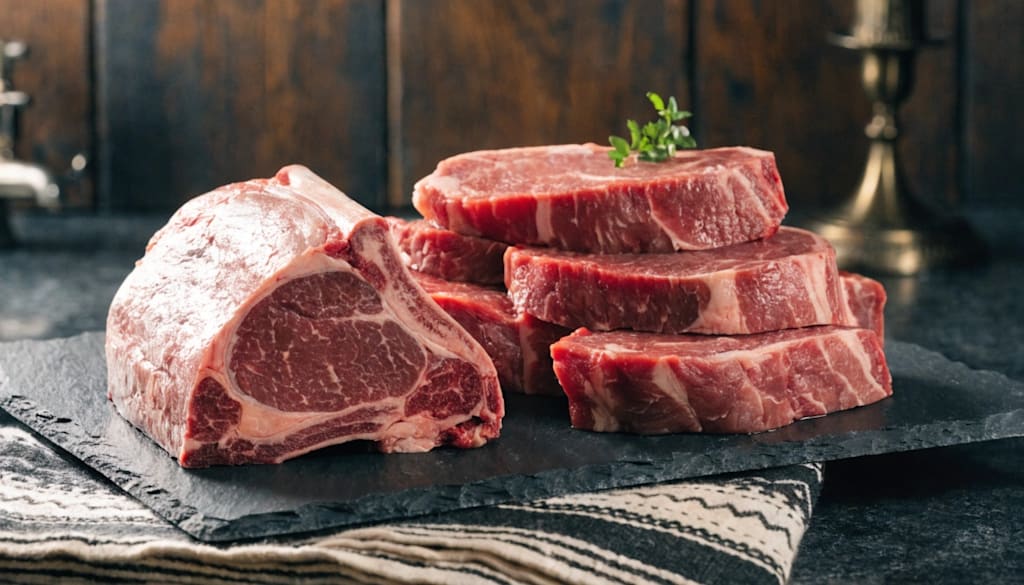
The meat market in the GCC region is witnessing steady growth, driven by increasing population, rising disposable incomes, and growing demand for high-quality protein products. Meat products including chicken, beef, mutton, and processed meat play a vital role in household consumption, hospitality services, and food processing industries across GCC countries.
According to analysis by IMARC Group, the GCC meat market size reached 5.3 million tons in 2025 and is projected to grow significantly, reaching approximately 7.0 million tons by 2034. This reflects a compound annual growth rate (CAGR) of 3.04% during 2026–2034.
This growth is primarily driven by increasing demand for halal-certified meat products, expansion of the hospitality and tourism industries, and rising consumer preference for premium and organic meat options.
As consumer preferences evolve, the market is becoming more quality-focused, technology-driven, and aligned with modern food safety and sustainability standards.
Analyze Market Potential with Expert Insights — Download the Sample
Key Drivers Fueling Market Growth
- Rising Demand for Halal-Certified Meat
Consumers across the GCC prioritize halal-certified meat products that comply with Islamic dietary regulations and quality standards.
- Expansion of Hospitality and Foodservice Sector
The rapid growth of restaurants, hotels, and tourism activities across GCC countries is significantly increasing meat consumption and demand for premium meat products.
- Growing Population and Urbanization
Increasing urban populations and rising disposable incomes are boosting demand for fresh, frozen, and processed meat products across residential and commercial sectors.
Role of Technology and Innovation
- Advanced Cold Chain and Storage Infrastructure
Modern refrigeration and cold chain logistics are improving product freshness, supply chain efficiency, and meat preservation standards.
- Growth of E-Commerce and Online Meat Retail
Online meat delivery platforms are expanding rapidly, offering consumers convenience, product variety, and doorstep delivery services.
- Sustainable Livestock Farming Practices
Governments and producers are increasingly investing in sustainable farming technologies and food security initiatives to improve domestic meat production.
GCC Meat Industry Trends & Drivers
The market is being reshaped by increasing demand for processed and ready-to-cook meat products that align with busy urban lifestyles.
Additionally, rising health awareness among consumers is driving demand for organic, grass-fed, and premium-quality meat products across GCC countries.
Food manufacturers and retailers are also focusing on innovative packaging, halal certification, and digital retail expansion to improve customer engagement and product accessibility.
The growing popularity of online grocery shopping and premium dining experiences is further strengthening the GCC meat industry outlook.
GCC Meat Market Segmentation
Analysis by Type:
- Raw
- Processed
Analysis by Product:
- Chicken
- Beef
- Pork
- Mutton
- Others
Analysis by Distribution Channel:
- Supermarkets and Hypermarkets
- Departmental Stores
- Specialty Stores
- Online Stores
- Others
Country Analysis:
- Saudi Arabia
- UAE
- Qatar
- Bahrain
- Kuwait
- Oman
Competitive Landscape
The GCC meat market is highly competitive, with the presence of regional meat producers, international suppliers, food processing companies, and retail chains.
Competition is driven by halal certification, product quality, pricing strategies, supply chain efficiency, sustainability initiatives, and brand reputation. Companies are increasingly focusing on premium product offerings, digital sales channels, and strategic partnerships to strengthen market presence.
Market Outlook
The GCC meat market is expected to witness stable growth through 2034, supported by a rising population, increasing protein consumption, and expanding hospitality and tourism sectors.
As demand for high-quality, halal-certified, and convenience-oriented meat products continues to rise, manufacturers and retailers will need to focus on innovation, food safety, and operational efficiency.
In the coming years, the market will continue to evolve—becoming more technology-enabled, sustainability-focused, and aligned with changing consumer dietary preferences across the GCC region.
About the Creator
Jackleen Jackleen
Hi, I’m Jackleen Jackleen, a passionate content writer who loves creating clear, engaging, and value-driven content. I enjoy turning ideas into impactful stories that connect with readers.
Enjoyed the story? Support the Creator.
Subscribe for free to receive all their stories in your feed.
Comments
There are no comments for this story
Be the first to respond and start the conversation.