
Fragrance Ingredients Market Trends: Natural Extracts, Clean Label Demand & Industry Forecast to 2034
How natural extracts, sustainable sourcing, and clean label preferences are transforming fragrance ingredient innovation, influencing product formulations and consumer purchasing behavior across global markets

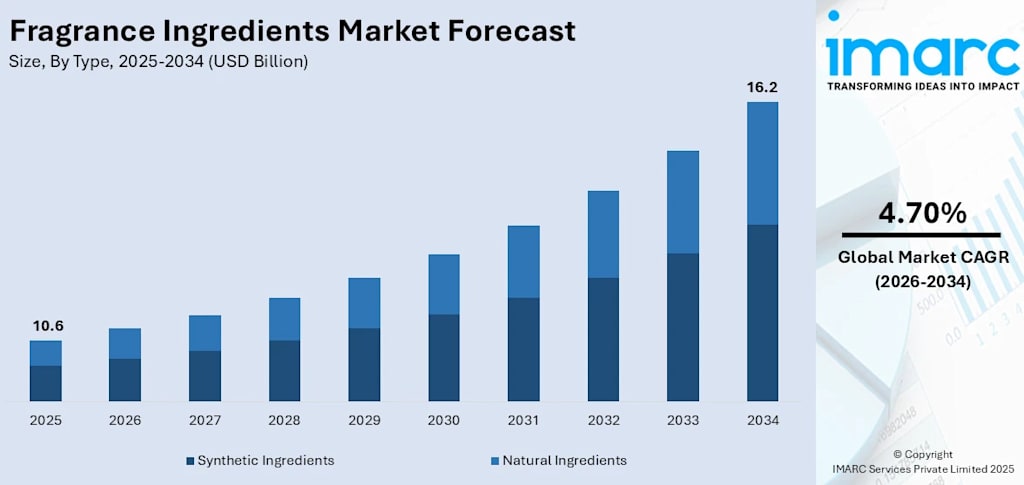
Rising health awareness, expanding cosmetic and personal care sectors, and a surge in demand for premium, long-lasting scents are driving the fragrance ingredients market. Consumer interest in sustainable, ethically sourced, and allergen-free formulations is reshaping production strategies, supported by technological advancements in biotechnology and green chemistry. According to IMARC Group’s latest data, The global fragrance ingredients market size was valued at USD 10.6 Billion in 2025. Looking forward, IMARC Group estimates the market to reach USD 16.2 Billion by 2034, exhibiting a CAGR of 4.70% from 2026-2034.
The fragrance ingredients sector has evolved into a vital multi-billion-dollar industry, now surpassing USD 10 billion and showing consistent annual gains. Growth is fueled by a massive shift toward natural extracts, essential oils, and functional scents that offer more than just a pleasant aroma consumers are now looking for emotional well-being and aromatherapy benefits. Retail growth, particularly in the e-commerce sector for niche perfumes, and the rising popularity of home care scents like premium candles and diffusers are further accelerating market uptake. Major segments include synthetic and natural ingredients like floral, woody, and citrus notes, with manufacturers increasingly prioritizing ingredient transparency and "clean label" certifications to meet evolving regulatory landscapes.
Request Your Free Copy of the "Fragrance Ingredients Market" Analysis
Fragrance Ingredients Market Growth Drivers:
- Surge in Demand from the Global Cosmetics and Personal Care Sector
The rapid expansion of the cosmetics industry serves as a primary engine for market growth, with the global beauty sector expected to reach roughly USD 450 billion within the next year. As consumers in emerging economies gain higher disposable incomes, their spending on grooming products like shampoos, soaps, and skincare increases significantly. This creates a massive, constant demand for diverse fragrance profiles that can differentiate products in a crowded retail environment. Manufacturers are responding by developing sophisticated scent molecules that remain stable in various formulations, ensuring that the sensory experience of a lotion or hair serum stays consistent from the first use to the last.
- Rising Consumer Preference for Natural and Organic Formulations
Modern shoppers are increasingly wary of synthetic chemicals, with nearly 74% of consumers now prioritizing organic ingredients in their personal care routines. This shift has forced a pivot toward plant-based extracts, essential oils, and fruit-derived compounds. The demand for "clean" scents those free from phthalates and parabens is no longer a niche requirement but a mainstream standard. Consequently, the industry is seeing a valuation of over USD 10 billion as brands invest heavily in natural sourcing. This movement is particularly visible in the premium perfume segment, where botanical origins are marketed as a luxury feature, appealing to eco-conscious and health-oriented demographics globally.
- Innovation in Green Chemistry and Biotechnology
Technological breakthroughs are allowing companies to create fragrance molecules through fermentation and enzymatic processes, reducing the environmental footprint of scent production. By using lab-grown alternatives to rare or endangered natural resources like sandalwood or ambergris, the industry ensures a stable supply chain while meeting sustainability goals. These bio-based ingredients often provide higher purity and better allergen profiles than traditional synthetics. With the market already established at USD 10.6 billion, these innovations allow for the creation of unique, high-performance scents that align with global "green" initiatives, providing a competitive edge for companies that can balance olfactory excellence with environmental responsibility.
Fragrance Ingredients Market Trends:
- Stricter Regulatory Compliance and Ingredient Transparency
The regulatory landscape is undergoing a massive transformation, with the EU recently expanding its mandatory allergen labeling from 24 to over 80 specific compounds. Similarly, in the United States, the Modernization of Cosmetics Regulation Act (MoCRA) is set to enforce mandatory fragrance allergen disclosures by May 2026. This shift toward total transparency is forcing brands to move away from the generic "fragrance" label on packaging. Companies are now required to provide detailed eco-toxicological data, ensuring consumer safety and building brand trust. These regulations are pushing the USD 10.6 billion industry toward safer, more standardized formulations, particularly in regions like North America and Europe.
- Expansion of Functional Scents and Olfactory Wellness
Fragrance is no longer just about smelling good; it is being reimagined as a tool for mental well-being and cognitive support. Trends for 2026 show a significant rise in "smellscapes"—scents specifically designed to help consumers reconnect with their emotions, improve sleep quality, or boost focus. This intersection of olfaction and wellness is opening new revenue streams in the home care and professional spa sectors. As urban dwellers seek "escapism" through scent, brands are launching products that mimic natural environments, such as forest or ocean air, to combat city stress. This wellness-driven approach is a key factor in keeping the market trajectory toward the projected USD 16.2 billion mark.
- AI-Driven Hyper-Personalization and Digital Scent Development
The integration of Artificial Intelligence is revolutionizing how scents are created and sold. Startups like Osmo and platforms like EveryHuman are using complex algorithms to identify new fragrance molecules and create hyper-personalized perfumes tailored to an individual’s digital footprint or biological preferences. This "digital olfaction" allows for rapid prototyping and reduces the time-to-market for new ingredients. In a market valued at over USD 10 billion, this tech-forward approach appeals especially to Gen Alpha and Gen Z consumers who value uniqueness and authenticity. AI is also being used to predict upcoming scent trends, such as the shift toward niche, savory notes like sesame and salt expected in 2026.
Recent News and Developments in Fragrance Ingredients Market
- April 2026: IFF (International Flavors & Fragrances) showcased new research at the In-Cosmetics Global event focusing on the science of "Scent for Well-being," demonstrating how specific ingredient combinations can measurably reduce stress levels in clinical settings.
- March 2026: Leading fragrance houses predicted a significant shift in scent palettes for the upcoming year, moving away from traditional florals toward "Savoury Luxury," featuring ingredients like rice, sea salt, and roasted minerals.
- February 2026: Eight U.S. states, including California and Washington, officially enacted legislative bans on intentionally added PFAS (per- and polyfluoroalkyl substances) in cosmetic products, forcing a widespread reformulation of fragrance delivery systems.
Note: If you require specific details, data, or insights that are not currently included in the scope of this report, we are happy to accommodate your request. As part of our customization service, we will gather and provide the additional information you need, tailored to your specific requirements. Please let us know your exact needs, and we will ensure the report is updated accordingly to meet your expectations.
About the Creator
Andrew Sullivan
Hello, I’m Andrew Sullivan. I have over 9+ years of experience as a market research specialist.
Enjoyed the story? Support the Creator.
Subscribe for free to receive all their stories in your feed.
Comments
There are no comments for this story
Be the first to respond and start the conversation.