
Foot and Leg Massagers Growth Is Quietly Hitting $10 Billion
From mall kiosks to medical adjacency — here's why the category refuses to stop expanding.
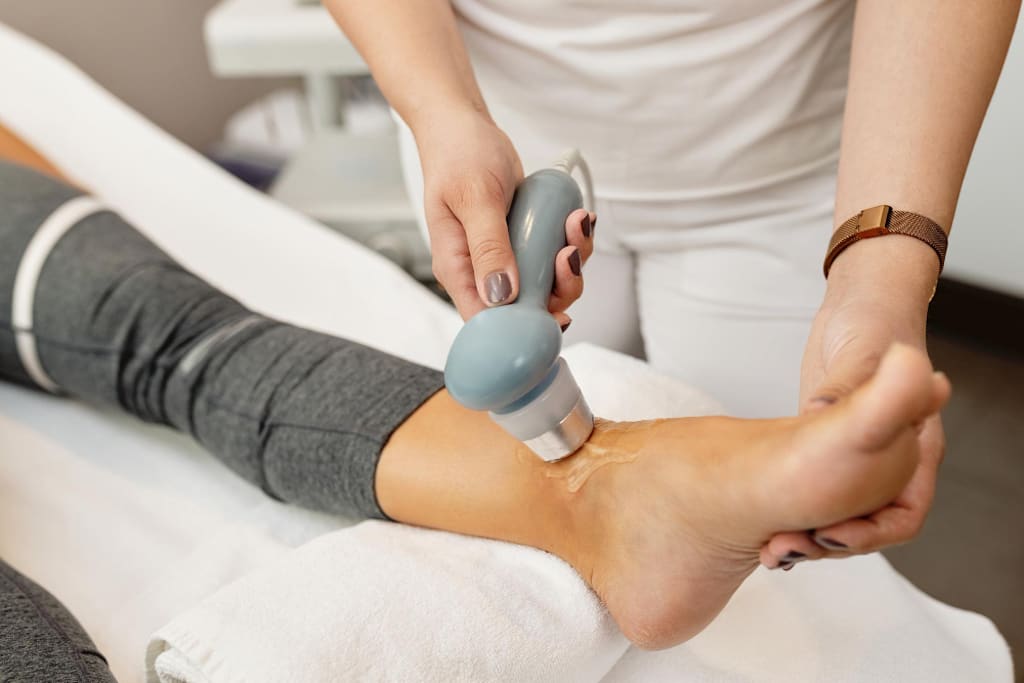
Why the Foot Massager Industry Is Quietly Becoming a $10 Billion Business
Nearly half of American adults report chronic foot pain, yet for most of the 20th century, the only real solutions were prescription orthotics or a visit to a physiotherapist. Then, somewhere between the pandemic's forced stillness and a cultural obsession with at-home wellness, foot and leg massagers stopped being a novelty gift and became a genuine category. The foot and leg massagers growth story playing out right now is less about luxury and more about a population that is tired — literally — and willing to spend to fix it. A broader view of where this sector stands, including regional breakdowns and competitive dynamics, is available in this foot and leg massagers industry overview.
The Numbers Don't Lie — Even If the Marketing Sometimes Does
The market sits at roughly $5.9 billion today. By 2035, researchers project it will reach $10.8 billion, compounding at about 6.2% annually. That's not explosive growth, but it is remarkably steady for a product category that, a decade ago, was largely confined to mall kiosks and infomercials. Context matters here: the broader personal care device market grows at roughly 5% annually, so massagers are outpacing their peer group without the hype cycle that inflates and then collapses other wellness niches.
The demographic engine driving this is older than you might expect. Baby Boomers — many of them managing diabetes-related circulation problems, plantar fasciitis, or simply the aftermath of decades on their feet — are fueling consistent, repeat purchases. But they're not alone. Millennials, especially remote workers who've traded standing office commutes for sedentary desk setups at home, are discovering that eight hours in a chair does no favors for venous circulation. That's a wide and durable demand base, not a trend cohort.
Japan Set the Template; Everyone Else Is Catching Up
Japan's massage chair and personal massager culture is decades old. Companies like Panasonic and Omron built sophisticated EMS (electrical muscle stimulation) and air-compression devices long before Western brands caught on. The domestic Japanese market normalized the idea of therapeutic massage as daily habit rather than occasional luxury, and that cultural logic is now migrating. South Korea followed a similar path, with brands like Bodyfriend producing massage chairs and leg-compression units that retail for over $3,000 and still sell briskly.
What's changed is that Chinese manufacturers — particularly Shenzhen-based OEM producers supplying global e-commerce brands — have compressed the price point dramatically. A decent EMS foot massager that would have cost $150 in 2015 now retails for $40 to $60 on Amazon under a dozen different brand names. This democratization is partially responsible for the volume growth in developed markets, even as it squeezes margins for legacy players. Homedics, the Michigan-based brand that dominated American pharmacy shelves for years, has responded by pushing into higher-end shiatsu and multi-zone compression systems — betting that price competition at the low end is unwinnable.
Technology Is Moving Faster Than Regulation
The smarter devices entering the market now do things their predecessors couldn't. App-connected leg compression systems can log session frequency and intensity, which some physical therapists are starting to treat as supplemental data for managing post-surgical recovery. At least one startup — Therabody, better known for its percussive massage guns — has moved into the leg recovery space with its RecoveryAir compression boot line, targeting athletes who previously would have only accessed pneumatic compression in clinical settings. The convergence of sports recovery and everyday consumer wellness is real, and it's accelerating.
What regulators haven't fully worked out is where these devices sit on the spectrum between wellness product and medical device. The FDA classifies most home foot massagers as Class I exempt devices, requiring minimal review. As therapeutic claims become more specific — chronic venous insufficiency, lymphedema management, diabetic neuropathy — that classification will face pressure. It's a distinction that could reshape the foot and leg massagers market share between mass-market consumer brands and medically positioned players within this decade.
Where the Category Goes From Here
The most interesting near-term development isn't a new feature. It's distribution. Foot and leg massagers are beginning to appear in employee wellness programs, airline premium lounges, and corporate office recovery rooms — institutional buyers who purchase in volume and care about outcomes, not aesthetics. If that channel matures the way ergonomic chair adoption did in the 2010s, the ceiling for this market is considerably higher than current projections suggest. The product stopped being a luxury the moment it became functional. What it becomes next depends entirely on who decides they need it.
About the Creator
Mark K. Belton
I’m Mark K. Belton, 26 years old, currently working as a Digital Marketing Intern. I have a strong interest in digital marketing and have been developing my skills in SEO, social media marketing, content creation, and online campaign
Enjoyed the story? Support the Creator.
Subscribe for free to receive all their stories in your feed.
Comments
There are no comments for this story
Be the first to respond and start the conversation.