
Folding Bike Market Trends: Urban Mobility, Compact Design & Forecast to 2034
How demand for customizable designs, aesthetic appeal, and brand differentiation is shaping product development strategies and competitive positioning in the folding bike market

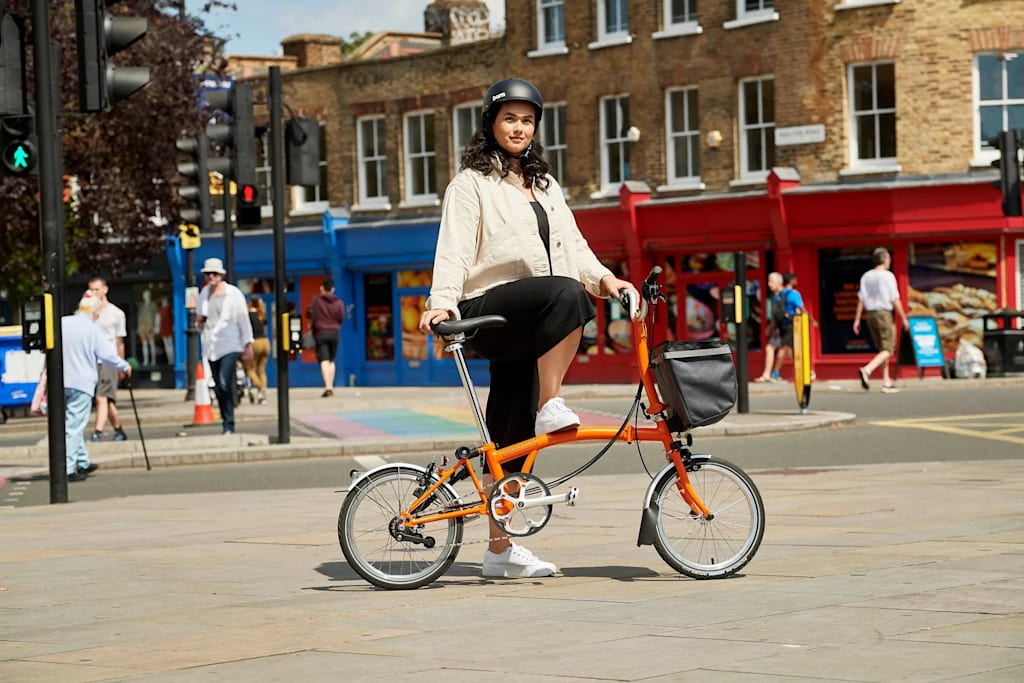
According to IMARC Group's latest research publication, The global folding bike market size was valued at USD 944.8 Million in 2025. Looking forward, IMARC Group estimates the market to reach USD 1,562.4 Million by 2034, exhibiting a CAGR of 5.70% from 2026-2034.
How Urbanization, Eco-Consciousness, and Space Constraints Are Shaping the Folding Bike Market
- Rapid Urbanization Creating Demand for Compact Mobility Solutions: The accelerating pace of urbanization across emerging economies is placing unprecedented pressure on urban transportation infrastructure. As per the United Nations, 55% of the world's population currently lives in urban regions, a proportion projected to rise to 68%, highlighting the urgent need for efficient urban mobility solutions. Traditional transportation modes are becoming increasingly inefficient in congested city environments, generating longer commute times and heightened stress levels. Folding bikes offer a nimble and compact solution to navigate these challenges, with their ability to be folded into a manageable form making them suitable for tight parking spaces while offering the convenience of being carried directly into offices or apartments. The widespread adoption among the urban middle class, attracted by cost-effective and lightweight commuting options, is further cementing the folding bike as a practical urban essential.
- Heightened Environmental Concerns Accelerating Eco-Friendly Transport Adoption: The global emphasis on environmental conservation and reducing carbon emissions is one of the most significant structural drivers behind the folding bike market's growth trajectory. As awareness deepens around the detrimental effects of fossil fuel consumption and air pollution, folding bikes emerge as an attractive, zero-emission alternative. They produce no pollutants and require no fuel, directly contributing to a greener urban environment. According to United Nations Climate Change, greenhouse gas emissions must peak and then decline by 43% to limit global warming to 1.5 degrees Celsius, a target that is reinforcing government and corporate investment in green mobility infrastructure including cycling lanes, cyclist incentive programs, and sustainable transport awareness campaigns. Folding bikes further benefit from their compatibility with other green transportation modes such as electric trains and buses, positioning them not just as a travel option but as a statement of environmental stewardship.
- Rising Space Constraints in Dense Urban Centers Boosting Practical Adoption: The growing scarcity of urban storage and parking space is actively driving folding bike adoption among city dwellers. In some United States cities, only 3% of central city space is allocated to parking, according to the Institute for Transportation and Development Policy, making compact personal mobility solutions not just convenient but a practical necessity. Folding bikes can be stored in a small closet at home or tucked under a desk at work, eliminating the need for dedicated parking space while retaining full commuting functionality. The growth in small living spaces, particularly in major urban centers, aligns directly with the compact nature of folding bikes, enhancing their appeal among city residents who value efficiency and space optimization in their daily lives.
Folding Bike Industry Overview
The folding bike market is witnessing steady expansion, supported by continuous technological innovation in lightweight materials and improved folding mechanisms that are making products increasingly convenient and performance-oriented. Manufacturers are integrating advanced aluminum alloys and carbon fiber components into frame construction, significantly reducing bike weight while maintaining structural durability. Folding systems have evolved from basic hinge designs to precision-engineered mechanisms that allow users to fold and unfold their bikes within seconds, a critical feature for the daily commuter.
Government policies across major markets are playing an increasingly decisive role in shaping adoption. Clean energy and transportation investment in the United States reached a record USD 71 Billion in the first quarter of a recent year, reinforcing the country's institutional commitment to sustainable mobility and indirectly supporting demand for non-motorized urban transport options such as folding bikes.
The industry is undergoing rapid transformation and scale-up, with leading manufacturers pursuing strategic combinations of product innovation, geographic expansion, and sustainability-driven manufacturing to strengthen competitive positioning and tap into the growing global demand for compact, efficient transportation.
Folding Bike Market Trends and Drivers
The sector continues to attract significant investment as health and fitness awareness grows among urban populations, prompting more individuals to adopt cycling as an active, fitness-conscious form of daily transport. This trend is particularly notable among working professionals and students who seek commuting solutions that simultaneously address time efficiency, environmental responsibility, and personal wellbeing.
Digital commerce is also transforming how folding bikes reach consumers. E-commerce platforms are expanding market accessibility, enabling buyers in secondary cities and underserved residential neighborhoods to explore a diverse range of folding bike models and brands that may not be available through traditional brick-and-mortar retail. Brompton, the United Kingdom-based manufacturer and B Corp certified company, expanded its e-commerce platform into North America through its Brompton Renewed initiative, a refurbished and lightly-used bike retail program with select models available below USD 1,000, directly targeting cost-conscious commuters seeking entry into sustainable urban mobility.
The integration of electric-assist features into folding bike designs is creating a new premium demand tier, broadening the category's appeal beyond physically active commuters to include older demographics and individuals covering longer urban distances.
Leading Companies Operating in the Global Folding Bike Industry
- Bike Friday
- Brompton Bicycle Retail Limited
- DAHON Bicycles
- Giant Bicycles
- Gocycle (Karbon Kinetics Limited)
- Ming Cycle Industrial Co. Ltd.
- Mobility Holdings, Ltd
- Montague Corporation
- Pacific Cycles
- Raleigh (Accell Group)
- Vilano Bikes
Folding Bike Market Report Segmentation
By Product Type:
- Vertical Fold
- Mid-Fold
- Triangle Hinge
Vertical fold stands as the largest segment, holding 43.2% of the market. Vertical fold bikes dominate owing to their straightforward folding mechanism that requires minimal effort, making them attractive to daily commuters and occasional riders who need to fold and unfold their bikes multiple times throughout the day. The vertical folding method results in a compact and manageable form that is highly suited to crowded public transportation environments and limited urban storage spaces.
By Drive Type:
- Conventional
- Electric
Conventional leads the market with 73.7% of market share. Conventional folding bikes cater to a diverse range of individuals from professional cyclists to casual riders, supported by their versatile design, broader affordability, and a wide array of options including road, mountain, and hybrid configurations. Their established market presence is reinforced by continuous improvements in materials and folding mechanisms that enhance portability and durability.
By Size:
- 20''
- 24''
- 26''
- Others
The 26'' segment leads the market with 45.0% of market share, offering a balanced blend of performance and comfort suited for both urban commuting and light off-road use. This size delivers a smoother ride and increased comfort without compromising the compactness essential to the folding bike format, making it a versatile choice across a broad rider demographic.
By Price Range:
- Low
- Economy
- Premium
Economy leads the market with 52.8% of market share, reflecting the strong demand from students, daily commuters, and budget-conscious individuals who prioritize practical functionality and reliability over premium features. Economy folding bikes provide a low-cost entry point for commuters seeking to reduce their carbon footprint while integrating seamlessly with public transportation networks.
By Distribution Channel:
- Offline
- Online
Offline leads the market with 63.7% of market share. Physical retail channels dominate as they allow customers to assess quality, test folding mechanisms, and take test rides before purchasing, instilling greater confidence particularly among first-time buyers. Specialty bicycle stores carry diverse model ranges including premium and niche offerings, while sporting goods chains contribute to broader market penetration by targeting recreational and casual users across high-traffic urban retail locations.
Regional Insights
- North America (United States, Canada)
- Asia Pacific (China, Japan, India, South Korea, Australia, Indonesia, Others)
- Europe (Germany, France, United Kingdom, Italy, Spain, Russia, Others)
- Latin America (Brazil, Mexico, Others)
- Middle East and Africa
Asia Pacific exhibits a clear dominance in the folding bike market, accounting for the largest regional share of 45.0%. The region's leadership is rooted in rapid urbanization, dense city environments, acute parking space limitations, and supportive government cycling policies that have normalized folding bikes as a mainstream commuting solution. The region also serves as a global manufacturing hub for bicycles including folding variants, resulting in more competitive pricing and wider product availability. According to the World Bank Group, India's urban population alone is projected to reach 600 million people, representing 40% of the total population, a transformation that will place immense pressure on urban transport infrastructure and accelerate demand for compact mobility solutions such as folding bikes. In the Middle East and Africa, the UAE government has committed an additional USD 136 Billion over the next thirty years toward achieving climate neutrality, a policy direction that is actively encouraging the adoption of cleaner personal transport alternatives including folding bikes.
Recent News and Developments in the Folding Bike Market
- December 2024: Car.Los launched the V1 foldable electric cargo bike in Germany, available in Basic and Full versions. Powered by a Brose Drive T motor and a 552Wh battery, the bike featured a stepless transmission, collapsible basket, and aluminum frame, retailing between EUR 4,799 and EUR 5,199.
- September 2024: UK-based Brompton launched its first folding gravel bike, the G Line, featuring 20-inch wheels, disc brakes, and Shimano 8-speed hub gears. Available in both electric and non-electric versions, the bikes are designed for enhanced off-road performance while retaining the brand's signature compact folding design.
- May 2024: Decathlon launched the BTWIN E-Fold 900 electric folding bike in Europe, featuring a 250W rear hub motor, a 252Wh battery, up to 55 km range, and a one-second folding mechanism, setting a new benchmark for commuter convenience in the electric folding segment.
- May 2024: ADO E-bike launched the Air Carbon folding e-bike, weighing just 12.5 kg with a carbon fiber frame, a 250W motor, and a 100 km range, offering early backers a 40% discount through its crowdfunding campaign and targeting the premium lightweight segment of the folding e-bike market.
- April 2024: Xiaomi launched a foldable electric scooter model in France featuring a 300W motor, Bluetooth connectivity, and an integrated display, priced at EUR 299, underscoring the intensifying competition between folding bike and folding personal mobility device categories within urban micro-mobility.
Note: If you require specific details, data, or insights that are not currently included in the scope of this report, we are happy to accommodate your request. As part of our customization service, we will gather and provide the additional information you need, tailored to your specific requirements. Please let us know your exact needs, and we will ensure the report is updated accordingly to meet your expectations.
About the Creator
Abhay Rajput
I am working in market research company that provides market and business research intelligence across the globe.
Enjoyed the story? Support the Creator.
Subscribe for free to receive all their stories in your feed.
Comments
There are no comments for this story
Be the first to respond and start the conversation.