
Eyewear Market Trends: Luxury Frames, Designer Collaborations & Industry Forecast to 2034
How luxury fashion partnerships, sustainable eyewear, and influencer marketing campaigns are shaping consumer trends and product strategies in the global eyewear market

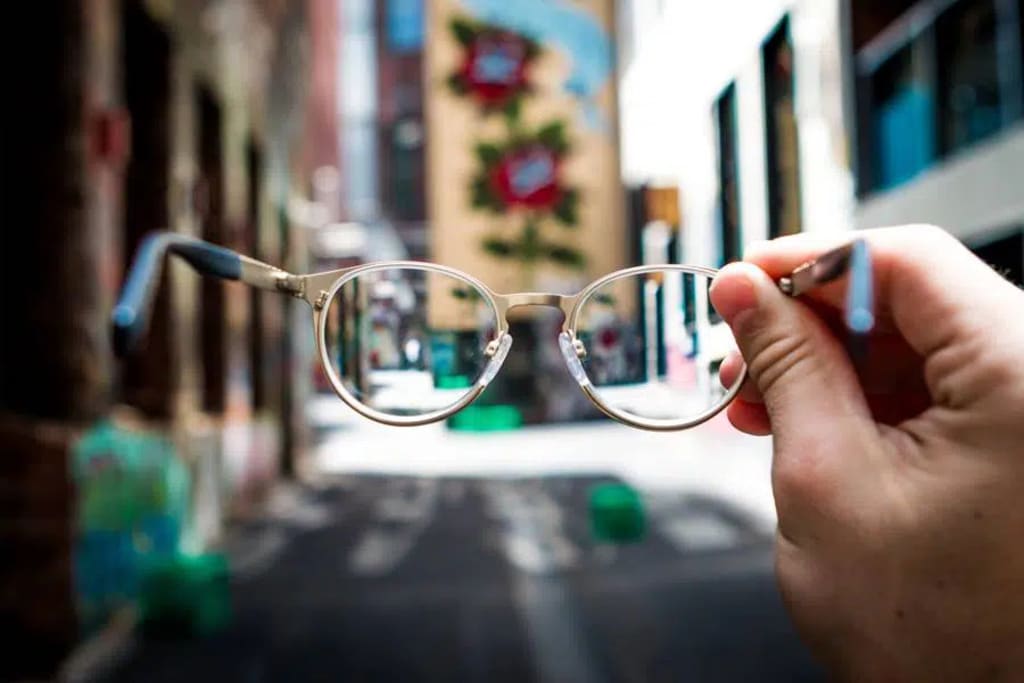
The rising prevalence of vision disorders, a growing aging population, and the transformation of eyewear into a prominent fashion accessory are propelling the global market. Increased screen time and digital device usage are further driving the demand for specialized lenses, while technological innovations in smart glasses and sustainable materials enhance consumer appeal. According to IMARC Group’s latest data, the global eyewear market size was valued at USD 179.7 Billion in 2025. Looking forward, IMARC Group estimates the market to reach USD 295.4 Billion by 2034, exhibiting a CAGR of 5.68% from 2026-2034.
Eyewear has evolved from a functional medical necessity into a multi-billion-dollar lifestyle industry. Today, spectacles represent the largest product segment, accounting for over 52% of the market share, supported by the nearly 2.2 billion people globally who require vision correction. Consumers are increasingly prioritizing premium lens coatings, such as anti-reflective and blue-light filters, to combat digital eye strain. Meanwhile, the sunglasses segment continues to merge UV protection with luxury branding, and contact lenses are seeing rapid adoption among younger demographics seeking convenience.
Eyewear Market Growth Drivers:
- Rising Global Prevalence of Vision Impairment
The surging incidence of myopia and presbyopia is a primary catalyst for market expansion. Recent clinical studies indicate that in several Asian nations, myopia rates among young adults have climbed above 80%, creating an urgent, long-term demand for corrective lenses. As digital lifestyles become the norm, more people are experiencing eye fatigue, leading to a higher uptake of prescription spectacles. With approximately 250 million adults in the United States alone regularly utilizing eyewear, vision care is now viewed as a fundamental pillar of daily health and wellness maintenance globally.
- Growing Demand for Premium and Functional Lenses
Modern consumers are shifting toward high-value lens technologies that offer more than basic correction. This includes a significant move toward photochromic lenses that adapt to light changes and advanced coatings that reduce glare. In the U.S. optical sector, despite fluctuations in exam volume, overall market value reached nearly USD 69.5 billion recently because patients are spending more per purchase on premium progressive lenses and multifocal contact lenses. This "value-over-volume" trend is particularly evident among the aging "Boomer" demographic, who require sophisticated optical solutions for complex vision needs and age-related conditions.
- Eyewear as a Key Fashion and Status Accessory
Frames are no longer just medical devices; they are central components of personal style and branding. Luxury fashion houses are increasingly leveraging licensing agreements to enter the market, leading to high-profile collaborations like the partnership between Saint Laurent and Ray-Ban, which sparked a 41% jump in online searches. This "premiumization" is supported by consumers' willingness to invest in durable, high-end materials such as titanium and hand-polished acetate. The psychological shift of viewing glasses as a status symbol ensures steady replacement cycles driven by seasonal fashion trends rather than just prescription changes.
Eyewear Market Trends:
- Integration of Smart Technology and AI Wearables
The convergence of consumer electronics and traditional optics is creating a new category of "smart eyewear." Modern frames are now being equipped with integrated audio, voice-command AI, and health-monitoring sensors that track heart rates or physical activity. Tech-savvy professionals and fitness enthusiasts are increasingly adopting these devices for hands-free connectivity and real-time navigation. With the Android operating system holding a significant share in this niche, manufacturers are focusing on making these tech-heavy frames look indistinguishable from classic designer styles, ensuring they appeal to a broader consumer base beyond early tech adopters.
- Shift Toward Sustainable and Eco-Friendly Materials
Sustainability has moved from a niche interest to a core consumer demand in the eyewear industry. Leading brands are moving away from traditional plastics in favor of bio-based acetates, recycled metals, and even ocean-bound plastic waste. Industry data suggests that eco-conscious packaging and responsibly sourced materials now influence over one-third of purchasing decisions in major European and North American markets. Brands are successfully marketing these products by emphasizing high-quality finishing and durability, proving to consumers that "green" choices do not require a compromise on the aesthetic or structural integrity of their luxury frames.
- Omnichannel Retail and Virtual Try-On Innovations
The retail landscape is being redefined by a seamless blend of physical and digital experiences. While over 80% of frames are still purchased in-person to ensure proper fit, online platforms are capturing a massive share of the initial discovery phase. Advanced AR (Augmented Reality) tools allow users to virtually "wear" hundreds of frames from their smartphones, significantly reducing the friction of online shopping. Optical chains are responding by adopting omnichannel models that allow customers to browse online and finalize their fit in-store, combining the convenience of e-commerce with the clinical expertise of a professional optician.
Recent News and Developments in Eyewear Market:
- January 2026: The Vision Council released its latest market report, revealing that the U.S. optical industry reached a value of USD 69.5 billion, highlighting a resilient consumer shift toward higher-value, premium optical products despite broader economic pressures.
- February 2026: Carl Zeiss Meditec AG expanded its presence in the value-driven segment by unveiling the ClearView Single Vision lenses, designed to provide high-definition optical clarity with faster delivery times for retail partners.
- December 2025: Industry analysts highlighted "Quiet Luxury" as a dominant design trend for the upcoming year, with brands like EssilorLuxottica and Safilo focusing on minimalist, logo-free silhouettes and neutral color palettes like "Cloud Dancer" to meet sophisticated consumer tastes.
Note: If you require specific details, data, or insights that are not currently included in the scope of this report, we are happy to accommodate your request. As part of our customization service, we will gather and provide the additional information you need, tailored to your specific requirements. Please let us know your exact needs, and we will ensure the report is updated accordingly to meet your expectations.
About the Creator
Andrew Sullivan
Hello, I’m Andrew Sullivan. I have over 9+ years of experience as a market research specialist.
Enjoyed the story? Support the Creator.
Subscribe for free to receive all their stories in your feed.
Comments
There are no comments for this story
Be the first to respond and start the conversation.