
Eyelash Serum Market Is Quietly Doubling — Here's Why
Peptide science, prostaglandin pressure, and a $1.76B forecast are reshaping how the world thinks about lash care.
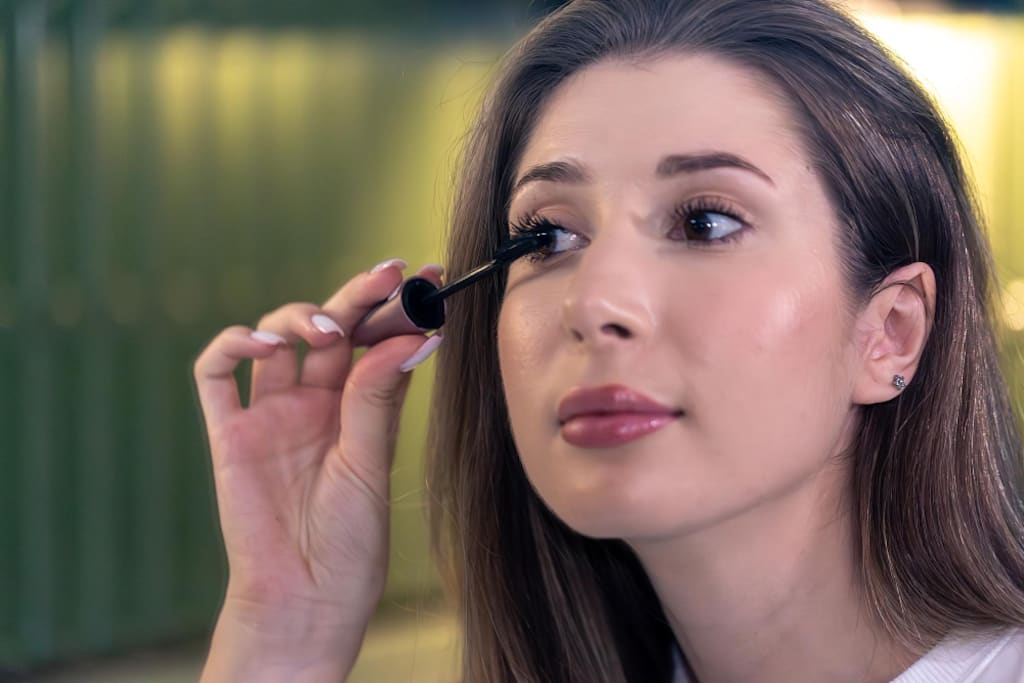
The Quiet Science Behind the Lash Serum Boom
There's a small but telling number buried in a 2025 Danish Environmental Protection Agency study: 82 percent of eyelash and eyebrow serums on shelves today contain peptides as active ingredients. Not as a premium upgrade. As a baseline. That figure says less about consumer sophistication than it does about how fast an entire product category can reorganize around science rather than cosmetic tradition. The eyelash serum market — valued at $888.9 million in 2025 — is on track to nearly double by 2035, reaching $1.76 billion at a compound annual growth rate of 7.1%. A detailed breakdown of segment data, formulation trends, and regional projections is available in this eyelash serum industry market overview. These are not numbers driven by impulse buying. They point to something more durable: a structural shift in how consumers relate to eye beauty.
False Lashes Lost. Now What?
The decline of lash extensions as everyday wear wasn't sudden. It happened gradually, then quickly — accelerated by pandemic-era salon closures that pushed people toward at-home alternatives, and never fully reversed. Buyers who discovered they could achieve similar density improvements without recurring appointments, adhesive sensitivity, or monthly maintenance costs did not abandon that preference when salons reopened.
That behavioral migration created the demand floor that lash serums now occupy. The consumer logic is simple: a $60 to $120 serum applied nightly for three months costs less than a single full-set lash extension appointment in most major cities. And the results, unlike extensions, compound over time rather than depleting the natural lash. Grande Cosmetics built its market position almost entirely on this before-and-after calculus — clinical language, dermatologist endorsements, and visible efficacy documentation rather than lifestyle imagery. It worked. The brand became a benchmark in the cosmeceutical segment and demonstrated that lash serums could command skincare-level credibility.
The Prostaglandin Problem
Not everything about this category is clean. Prostaglandin analogues — the ingredient class responsible for the most dramatic lash growth results in early formulations — are increasingly the subject of regulatory pressure across the EU and North America. Side effects associated with some prostaglandin-containing products include periorbital fat atrophy, iris pigmentation changes, and persistent skin irritation. These aren't rare occurrences reported by fringe reviewers. They're documented risks that have triggered product withdrawals and drawn regulatory investigators.
The same Danish study found that 24 percent of surveyed lash serums still contain prostaglandins or prostaglandin analogues. That's a declining minority, but a persistent one — concentrated among brands still competing on maximum efficacy rather than safety profile. The EU is expected to tighten restrictions on this ingredient class in the near term, which will force reformulation timelines for brands still dependent on it. Companies that already completed that pivot have a structural advantage. In April 2024, Neora launched LashLush — a prostaglandin-free serum built around peptide science, claiming visible results in four weeks. Whether or not those timelines hold up under scrutiny, the strategic signal is clear: the category's growth story is now being written with peptides, not prostaglandins.
Where the Money Actually Moves
North America holds 45.8 percent of global eyelash serum market share, valued at $407.1 million in 2025. That dominance is real but shouldn't obscure where the next decade's growth originates. Asia Pacific carries the largest beauty consumer population on Earth alongside rapidly expanding e-commerce infrastructure. South Korea and Japan already anchor the premium cosmeceutical segment there. China, India, and Southeast Asia represent volume expansion markets — and they're being reached not through traditional retail rollouts but through digital-first distribution strategies that compress adoption timelines dramatically.
The eyelash serum market growth dynamics in emerging markets illustrate a broader pattern in beauty: digital channels have eliminated the geographic advantage that legacy retail distribution once provided. In August 2025, UK-based UKLASH launched a sub-brand called groa — a peptide-powered, prostaglandin-free serum priced at $20 and positioned explicitly for Gen Z and Gen Alpha through digital-only channels. A $20 entry-point lash serum targeting a new consumer cohort through TikTok and direct-to-consumer subscription models tells you something important about where category expansion is actually happening. It isn't in department stores.
The Ingredient Transparency Race
What's coming next for this category is harder to manufacture than formulation efficacy. Consumer expectations for ingredient transparency have moved from aspirational to operational — buyers in premium channels now filter by cruelty-free status and clean certification before reading any efficacy claim. The same Danish study found hyaluronic acid in over 50 percent of surveyed non-prostaglandin serums, and more than 80 percent contained plant extracts. Multi-benefit formulas combining growth stimulation with conditioning and barrier support have become table stakes.
India's Re/do Beauty launched the country's first clinically validated peptide-based lash growth serum in May 2025, using the WKPep Pro-Lash Peptide Complex alongside Resulook — bringing cosmeceutical formulation standards into a market that previously had limited access to them. These launches point toward a future where clinical credibility is no longer a differentiator exclusive to expensive Western brands, but a competitive baseline across price tiers and geographies. The brands that recognize that early enough won't just capture market share. They'll define what the category means to the next generation of buyers.
About the Creator
Mark K. Belton
I’m Mark K. Belton, 26 years old, currently working as a Digital Marketing Intern. I have a strong interest in digital marketing and have been developing my skills in SEO, social media marketing, content creation, and online campaign
Enjoyed the story? Support the Creator.
Subscribe for free to receive all their stories in your feed.
Comments
There are no comments for this story
Be the first to respond and start the conversation.