
Exploring the Impact of AI on Future Technologies
Opportunities and Challenges in the Rapidly Evolving World of AI-Driven Advancements
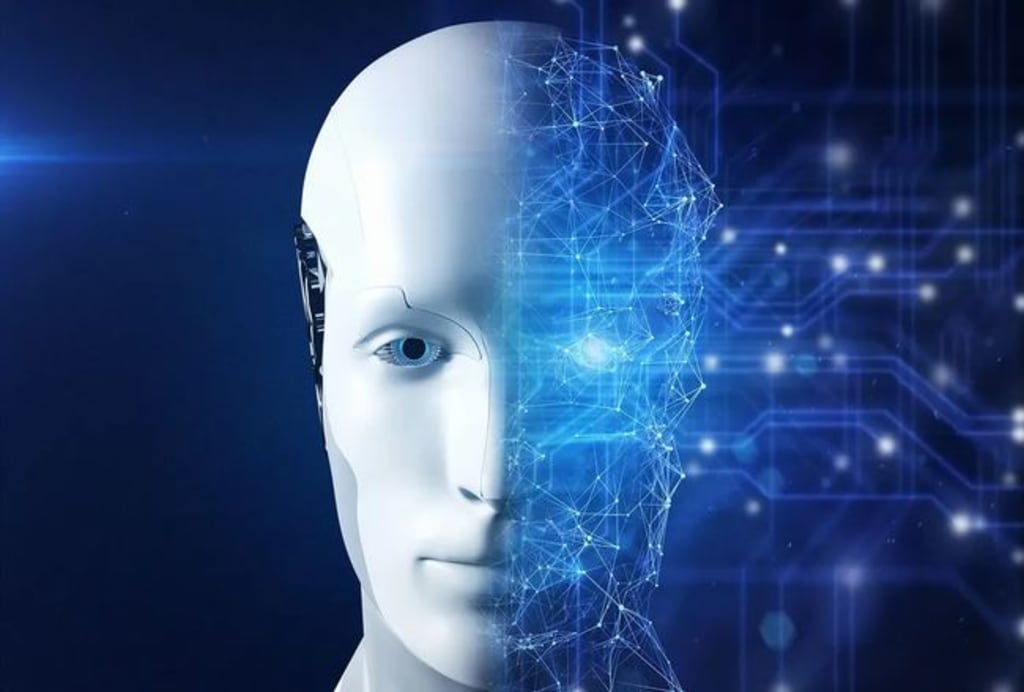
Artificial Intelligence (AI) has emerged as a game-changer for the tech industry, revolutionizing various sectors with its remarkable potential. From healthcare to finance, transportation to agriculture, AI has proved its efficacy in transforming the way we work and live. The impact of AI on future technologies is immense, as it is changing the way we approach various challenges and opportunities.
One of the most significant impacts of AI on future technologies is the advancement in automation. AI-powered automation is already changing the face of many industries, from manufacturing to logistics, by reducing human involvement in repetitive tasks and increasing efficiency. For instance, self-driving cars are set to revolutionize transportation by making it safer and more efficient. Similarly, AI-powered robots are being used in manufacturing and warehousing to perform tasks that are dangerous or tedious for humans.
Another area where AI is making significant strides is in healthcare. AI-powered medical devices and systems are helping doctors to diagnose and treat diseases more accurately and efficiently. From analyzing medical images to predicting the likelihood of diseases, AI is enabling healthcare professionals to make better decisions and improve patient outcomes. AI-powered chatbots are also being used to provide personalized health advice and support to patients, improving accessibility to healthcare.
AI is also playing a crucial role in the development of smart cities, which are cities that use technology to improve the quality of life of its citizens. By using sensors, data analytics, and AI, smart cities can manage their resources, such as energy and water, more efficiently. For example, AI-powered traffic management systems can optimize traffic flow, reduce congestion and improve air quality. Smart buildings with AI-powered heating, ventilation, and air conditioning systems can save energy and reduce greenhouse gas emissions.
AI is also set to revolutionize the education sector. AI-powered personalized learning systems can provide students with tailored learning experiences based on their individual needs and preferences. Intelligent tutoring systems can provide students with instant feedback and support, improving learning outcomes. AI-powered chatbots can also be used to provide students with 24/7 support, improving accessibility to education.
Another area where AI is making significant strides is in the finance sector. AI-powered chatbots are being used to provide financial advice and support to customers, improving accessibility to financial services. AI-powered fraud detection systems are also being used to detect and prevent fraudulent activities, improving the security of financial transactions. AI-powered trading algorithms are also being used to analyze market trends and make more informed investment decisions.
In the agricultural sector, AI is being used to improve crop yields and reduce the use of pesticides and other harmful chemicals. AI-powered drones can be used to monitor crop growth and detect diseases and pests, allowing farmers to take timely action. AI-powered predictive analytics can also be used to forecast weather patterns and optimize irrigation, improving crop yields and reducing water usage.
AI is also playing a crucial role in the development of renewable energy. AI-powered systems can be used to optimize the production and distribution of renewable energy, improving efficiency and reducing costs. For instance, AI-powered energy management systems can optimize the use of renewable energy sources, such as solar and wind, by predicting energy demand and adjusting supply accordingly.
In conclusion, the impact of AI on future technologies is immense, and it is changing the way we work and live. From healthcare to transportation, education to smart cities, finance to agriculture, AI is enabling us to approach various challenges and opportunities in new and innovative ways. While AI has the potential to transform our world, it is essential to ensure that it is developed and deployed ethically and responsibly. As AI continues to evolve, it is crucial to work together to ensure that it benefits everyone in society.
About the Creator
Enjoyed the story? Support the Creator.
Subscribe for free to receive all their stories in your feed.
Comments
There are no comments for this story
Be the first to respond and start the conversation.