
Every Bite
The high-tech science going on in the field

I didn’t even notice, till last week. Have I really gotten that complacent, that used to the new norm, that seeing the old norm threw me into some really backwards thinking?
Take a look at this picture – what do you see?
I’m Penna Dutch, and though I didn’t inherit the farm, I grew up on it. My grandparents farmed, and in order to ensure a harvest, you need many hands to bring it into the barns. I helped muck out stables, put away hay, pit and peel and shuck and cut and scrape and can and pickle, not to mention feeding chickens, and pigs, and rabbits.
(The rabbits were pets, please don’t panic.)
That means, I know what a good, healthy, well-tended, field looks like. My grandfather had his faults, but he was no slouch when it came to reaping a full and healthy harvest. No pesticides – you got your butt out there, and you pulled weeds by hand. You walked those fields, and you checked on your crop. Grasshopper year? Judicious insecticide (soapy water). Strange plants growing? Yank ‘em, and feed them to the pigs. (And also see this story if you want to laugh hysterically about how we dealt with that problem.) Snakes? They’re built-in pest control, let them alone. Rabbits? Well, eh, let ‘em eat their share, they don’t eat much – plus, if it’s a lean year, they’re much-needed meat come late winter. We’d take a deer or two for extra meat occasionally, but only if needed. My grandfather was a horrible shot, though, so it was usually groundhog that was eaten in January and February, and please don’t ask my mom how she felt about my grandmother’s ability to cook it. (Spoiler alert: she couldn’t.)
That picture is not, by any stretch, a healthy field. By the new standards.
In three generations, the technology that has put food on your table every single day has changed, so, so, much.
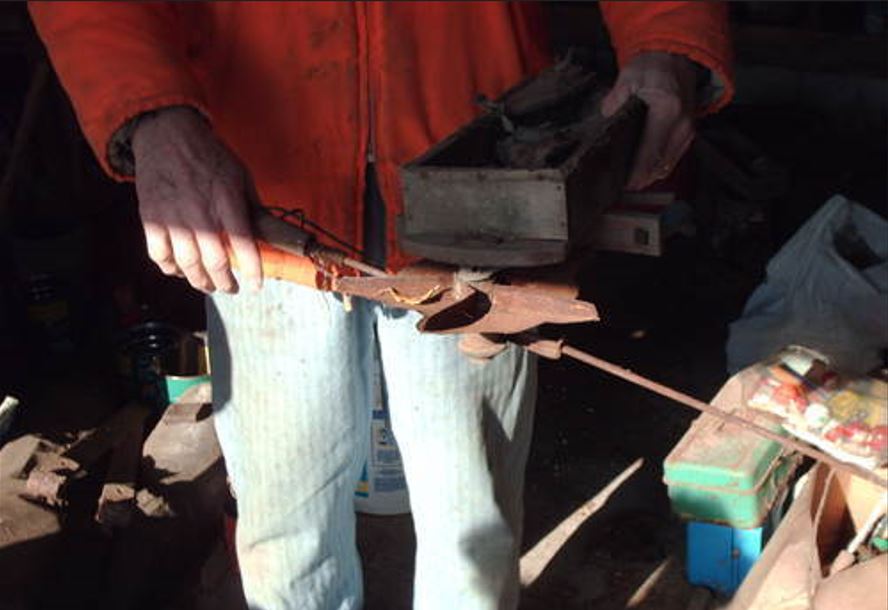
My grandfather started his farming career by hand-sowing. Take a bag of seed that you had carefully dried and kept from the rodents all winter, walk the field, fling it about in a steady pattern, and hope the flocks of migrating birds that descended on the feast left you enough to raise. Mom tells me tales of the tech improvement, this device in the pic, where a tray of seed was dropped steadily onto a canvas “flinging arm,” that flung the seed for you, and was a flipping Godsend to her and her siblings. They fought like cats over who got to use it (and finish their chores early!), and who had to still do it by hand, in the other fields.
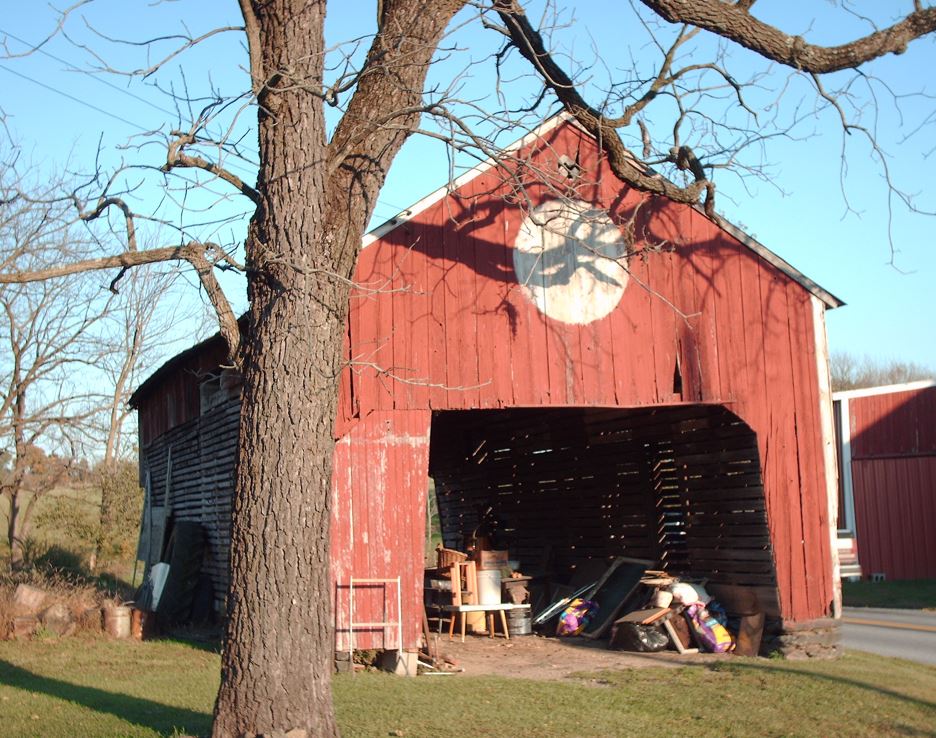
Pop also went from horse-drawn plows, to an old beat-up punkity-punkity tractor. That thing was very dangerous, and I wasn’t even allowed near it, when it wasn’t moving. I even offered to hold wrenches when it was broken, and my grandfather and uncle would only allow me to sit in the opening to the corn crib. Fifteen feet away.
That tractor had an attachment that could cut a furrow, drop seed, then cover it over. Much less predation from the birds, though they still dug up a share. Better for our table and wallet, but not so good for the bird population. I’ve read recently that the newer tech has decimated the flocks.
What tech?
The high-tech seed companies were only gearing up when I was in college. They were bio-engineering new strains, and trying to formulate better yields by cross-breeding. Once DNA analysis became de rigueur, and now CRISPR tech, well, you have no idea.
Seed flinging? How primitive.
Now, your “seeds” come in pellets. Genetic engineered seeds, individually wrapped, with a specially-formulated wrapping of fertilizer, plus targeted insecticides, with a bad-tasting coated shell. To keep the birds away.
Wheat, corn, soy. The basic building blocks of our Westernized food.
It’s done with all the other vegetable seeds as well; just buy a packet of seeds, and see what you get. Very few will spill “seed seed” into your hand. Even I was caught off guard, when I got a handful of pink and white pellets, instead of tomato seeds.
And the equipment? Old rusted seed-flinger? Punkity tractor? Retired to museums. Now, tractors are enclosed, air conditioned, electronic panels, attachments for everything that you need to do with a tractor. We used to share the large discer (disc harrow) around town, so each farmer got to use it, when they all put in a share of the money to buy it…
I won’t mention the extra equipment, namely the tractor-driven tanks of weed killer. The new practice of planting a crap crop – a special breed of turnip, usually – then spraying it dead, and plowing it back in to keep the nutrients, while planting a cash crop, is [response redacted due to not wanting to get kicked of this nice platform, hello Vocal readers, nice day, isn’t it?] Yeah, [bleep bleep that bleeping bleep!]
I may have Decided Opinions about some of the new tech practices, especially when it comes to long-term sustainability.
I am much more interested in learning about the new tech that’s coming, and being tested: instead of dangerous pesticides and insecticides, laser scanners that “walk” the rows, identify plants and insects that shouldn’t be there, and zap them. I’ll be happier when the program can separate harmful insects from beneficial ones!
With that said, I also think there should be wilding zones. We’re losing creatures at an alarming rate, but since people don’t see it – or don’t care – it will be much too late when the alarms are re-set. Oh, they’re sounding now, but most don’t understand the implications to themselves, so they get lost in the dumpster fire we’re living in. I see it now, with the butterfly and bird populations tanking. Food chains are still a thing, and we’ll see it in ourselves, soon enough. (Don’t get me started on microplastics, either.)
And with copyrighted CRISPR editing and other gengineering, we will lose genetic diversity. That matters, because as the planet warms up, we might need those edited sequences.
We’ve already switched from autumn wheat strains, to winter wheat strains. All we need are three bad seasons in a row, and we’ll lose a lot more than we banked on. Cacao and chocolate are teetering, and you’ve seen all the food recalls that are going on. The memes are hilarious, if the implications weren’t so terrifying.
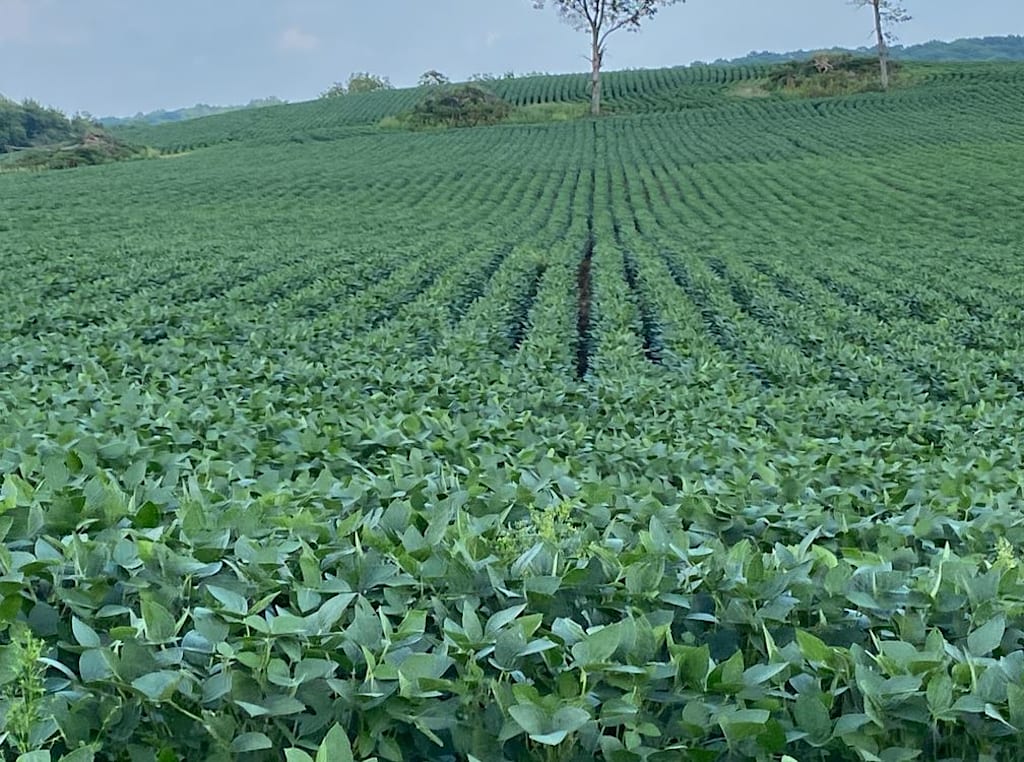
Now, let’s look at a healthy field, in today’s terms. This is what a healthy field looks like...
Today.
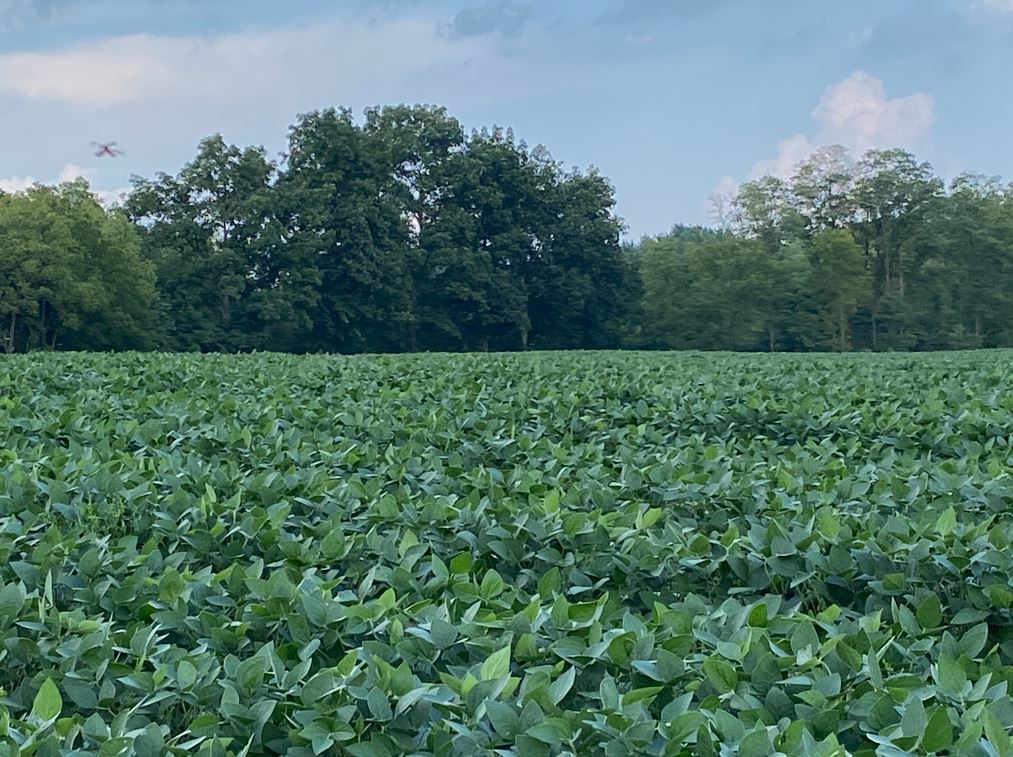
Because the lack of weeds, and dark green foliage, guarantee that this is gengineered, and grown from capsule.
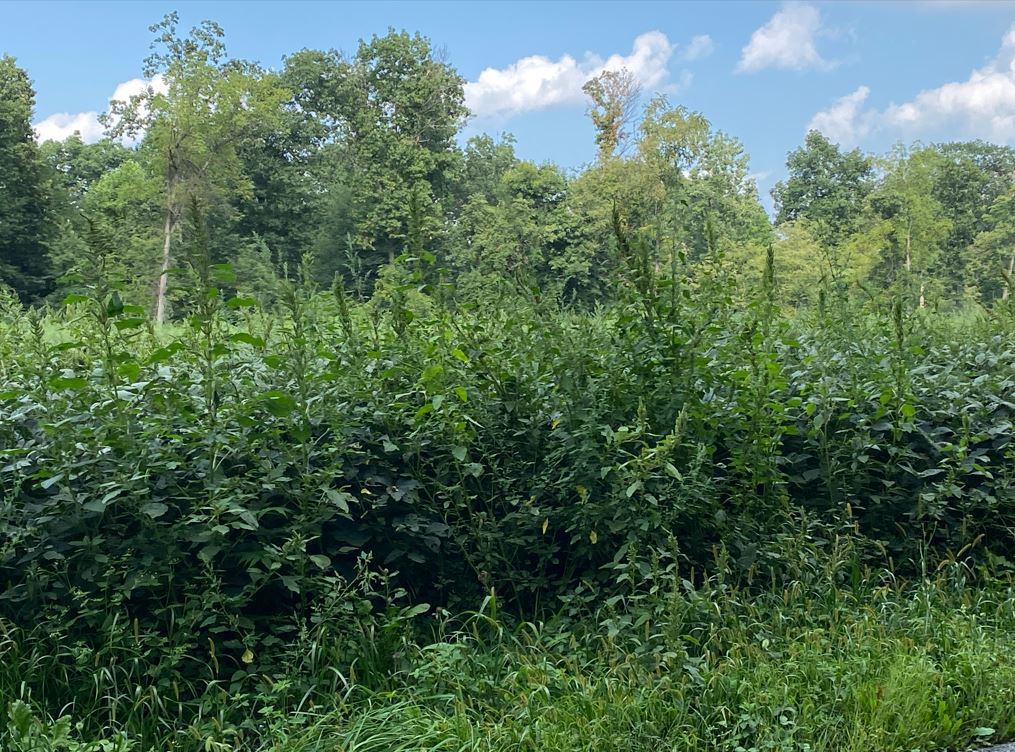
Previous healthy fields looked more like this:
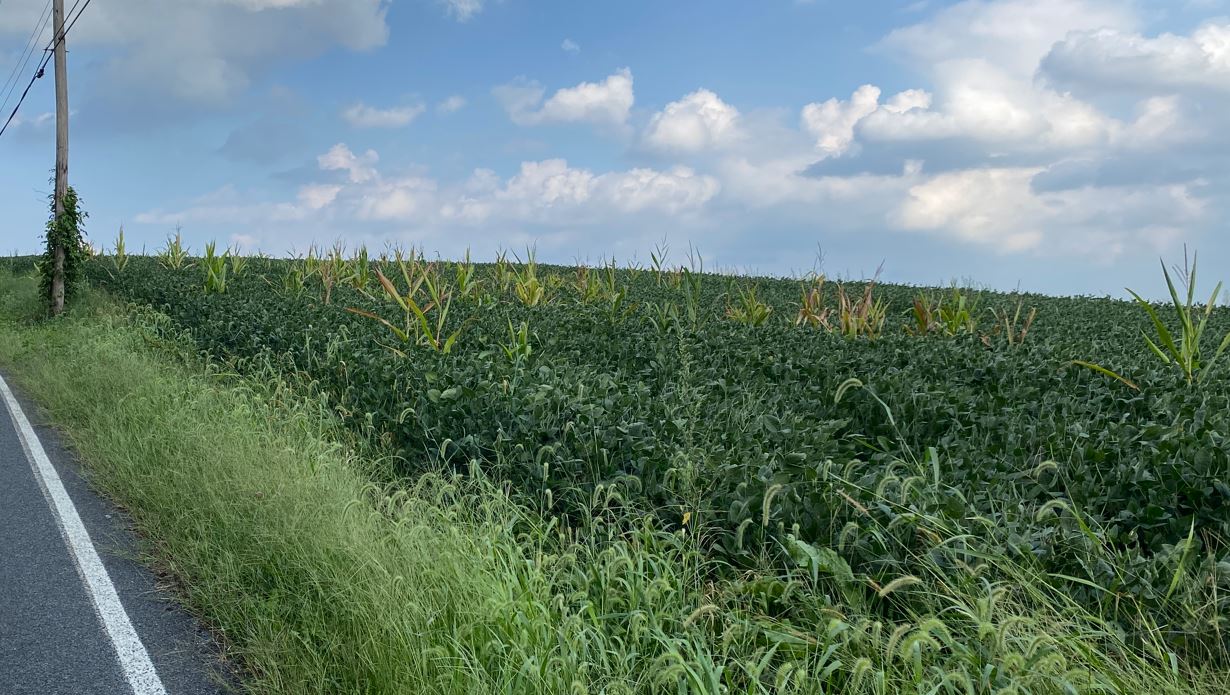
Green, healthy, but with a few of last year’s rotated crop poking through. This was a farmer that walked the field, pulled weeds, but let the other crop grow, because why not? A few extra ears of corn were all to the good.
But now? This weed-choked field means there are no chemicals. None. No pesticides, insecticides, or weed killers.
And yet, my parents and I fell into the trap.
One glance, and I was sneering in my head, about sloppy farmers, and their foolish choices.
We have sloppy farmers. My grandfather ordered me not to marry into their families, because they didn’t take care of neither crops nor animals. And every farmer knows, if you neglect those two, you’re certain-sure to have a neglected family as well. Who wants to marry into that, when the evidence is waving in the breeze?
But a weedy field? Neglected, yes, but not flooded with chemicals that do the shortcut for you, either.
And I had forgotten.
So did my parents.
My mother jumped for joy, to have a hand-held device that did the hard sowing work. My grandfather would have shaken his head at a handful of pellets, and quietly marveled that he didn’t need to weed his fields the whole summer. I marveled at the rice paddies in Arkansas, watching specially designed planters using lasers to make sure the fields were planted absolutely level, to ensure the best rice yield ever.
But do I think about how the future is here, every time I shovel nommy rice or bread or corn chips into my mouth? Nope.
As much as some of the upgrade tech concerns me, I also look forward to what’s coming, when we can let lasers do the work, without contaminating the soil. Even if we don’t taste a difference, you’d better believe, our bodies have felt it, will feel it.
About the Creator
Meredith Harmon
Mix equal parts anthropologist, biologist, geologist, and artisan, stir and heat in the heart of Pennsylvania Dutch country, sprinkle with a heaping pile of odd life experiences. Half-baked.
Enjoyed the story? Support the Creator.
Subscribe for free to receive all their stories in your feed.
Comments
There are no comments for this story
Be the first to respond and start the conversation.